3,4-Dihydro-2H-1,4-benzoxazine is a chemical compound widely used in organic chemistry research and the synthesis of complex molecules. Its heterocyclic structure makes it a valuable tool in laboratory settings, where it serves as a building block for various chemical reactions. This compound is particularly useful for applications requiring specific functional group interactions, enabling the creation of new compounds with tailored properties. Due to its stability and versatility, it is a key component in many synthetic processes.
The compound's reactivity and ability to interact with diverse functional groups make it a preferred choice for chemists. Its structural flexibility allows for the incorporation of various substituents, enhancing its utility in synthetic pathways. The compound's chemical stability ensures it remains viable for multiple reaction steps, reducing the risk of degradation. These properties make it an essential material for researchers working on drug development and advanced chemical synthesis.
In Indonesian laboratories, 3,4-Dihydro-2H-1,4-benzoxazine is commonly used in organic chemistry research, particularly in academic and research institutions. It is frequently applied in projects that require heterocyclic compounds capable of interacting with specific molecular targets. Its versatility and reactivity make it a popular choice for a wide range of chemical investigations, supporting both educational and industrial research efforts.
Related TCI products
- TCI O0404 82419-35-0 9,10-Difluoro-2,3-dihydro-3-methyl-7-oxo-7H-pyrido[1,2,3-de]-1,4-benzoxazine-6-carboxylic Acid
- TCI D6133 51287-17-3 3-Phenyl-3,4-dihydro-2H-1,3-benzoxazine
- TCI D4783 23866-12-8 2,3-Dihydro-3-oxo-4H-1,4-benzoxazine-4-propionitrile
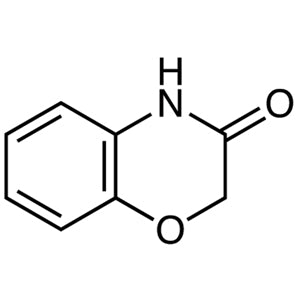
- TCI B4553 5466-88-6 2H-1,4-Benzoxazin-3(4H)-one
- TCI B4402 24036-52-0 6-Bromo-2H-1,4-benzoxazin-3(4H)-one
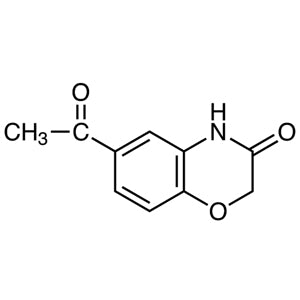
- TCI A2755 26518-71-8 6-Acetyl-2H-1,4-benzoxazin-3(4H)-one
- Organic synthesis projects benefit from this compound due to its ability to participate in diverse chemical reactions and form complex molecular structures.
- Drug development research utilizes it as a precursor for creating new pharmaceutical compounds with targeted biological activities.
- Analytical chemistry applications rely on its reactivity to detect and analyze specific functional groups in complex mixtures.
- Academic research in chemical sciences employs it to explore the behavior of heterocyclic compounds in various reaction conditions.
- Industrial chemical processes use it as a building block for the production of specialty chemicals and advanced materials.
| Brand | TCI |
|---|---|
| CAS number | 5735-53-5 |
| Molecular formula | — |
| Purity | — |
| Category | TCI |
| Pack sizes | Available in standard laboratory quantities |
| Physical form | Solid |
| Storage | Store in a cool, dry place away from direct sunlight |
This compound should be stored in a cool, dry environment to maintain its chemical stability. It is recommended to keep it in a sealed container to prevent exposure to moisture and air. Due to its reactivity, it should be handled in a well-ventilated area to minimize any potential hazards. Proper personal protective equipment, such as gloves and safety goggles, should be worn when handling the material. Avoid contact with incompatible substances to ensure safe laboratory practices. Regular monitoring of storage conditions is advised to maintain the integrity of the compound throughout its shelf life.
—
Produk Terkait
-
9,10-Difluoro-2,3-dihydro-3-methyl-7-oxo-7H-pyrido[1,2,3-de]-1,4-benzoxazine-6-carboxylicAcid TCI O0404
Regular price From Rp 2.545.200,00Regular price -
3-Phenyl-3,4-dihydro-2H-1,3-benzoxazine TCI D6133
Regular price From Rp 2.254.350,00Regular price -
2,3-Dihydro-3-oxo-4H-1,4-benzoxazine-4-propionitrile TCI D4783
Regular price From Rp 743.400,00Regular price -
2H-1,4-Benzoxazin-3(4H)-one TCI B4553
Regular price From Rp 610.050,00Regular price -
6-Bromo-2H-1,4-benzoxazin-3(4H)-one TCI B4402
Regular price From Rp 689.850,00Regular price -
6-Acetyl-2H-1,4-benzoxazin-3(4H)-one TCI A2755
Regular price From Rp 1.246.350,00Regular price -
2,2'-(1,4-Phenylene)bis(4H-3,1-benzoxazin-4-one) TCI P2656
Regular price From Rp 1.326.150,00Regular price -
6-Nitro-2H-1,4-benzoxazin-3(4H)-one TCI N0999
Regular price Rp 1.538.250,00Regular price
![82419-35-0 9,10-Difluoro-2,3-dihydro-3-methyl-7-oxo-7H-pyrido[1,2,3-de]-1,4-benzoxazine-6-carboxylic Acid - AMI Scientific](http://amiscientific.com/cdn/shop/files/TCI2510O0404.jpg?v=1767131869&width=533)