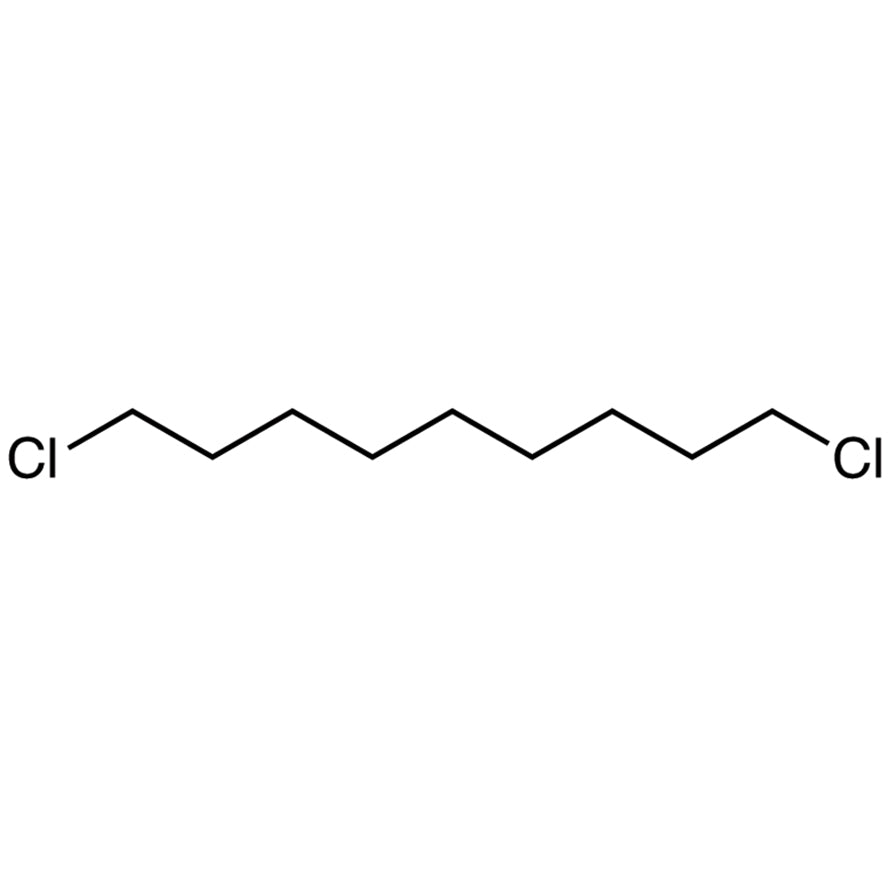
1,9-Dichlorononane is a chemical compound widely used in laboratory settings for its versatility in synthetic chemistry. As a building block in organic synthesis, it serves as a key intermediate in various reactions, enabling the construction of more complex molecular structures. Its role is critical in both academic and industrial research, where it supports the development of new compounds and the exploration of chemical reactivity. This compound is particularly valuable in the synthesis of both heterocyclic and non-heterocyclic compounds, making it an essential tool for chemists working in diverse fields.
The compound's chemical structure, featuring two chlorine atoms at positions 1 and 9, provides a high degree of reactivity and functional group flexibility. This characteristic allows it to participate in a wide range of substitution and elimination reactions, making it a preferred choice for synthetic chemists. Its simple molecular framework also facilitates controlled chemical transformations, which is crucial for achieving desired outcomes in complex synthesis processes. The compound’s predictable behavior under various reaction conditions further enhances its utility in laboratory applications.
In Indonesian laboratories, 1,9-Dichlorononane is commonly used in organic chemistry research, especially in the development of bioactive compounds. It is frequently found in academic and industrial laboratories involved in pharmaceutical and chemical research. Its role in the synthesis of active pharmaceutical ingredients and other specialized compounds makes it a popular choice among researchers in Indonesia. The compound’s availability and reliability make it a standard material in many laboratory workflows.
- Organic synthesis of bioactive compounds due to its reactivity and structural versatility
- Pharmaceutical research for the development of new therapeutic agents through chemical modification
- Industrial chemical manufacturing as a building block for complex molecule production
- Academic research in medicinal chemistry to explore new synthetic pathways
- Chemical process development for the creation of specialized materials and intermediates
| Brand | TCI |
|---|---|
| CAS number | 821-99-8 |
| Molecular formula | — |
| Purity | — |
| Category | Chemistry > Building Blocks > Non-Heterocyclic Building Blocks |
| Pack sizes | Available in standard laboratory quantities |
| Physical form | Liquid |
| Storage | — |
1,9-Dichlorononane should be stored in a cool, dry, and well-ventilated area away from direct sunlight. It is recommended to use sealed containers made of materials compatible with organic solvents to prevent evaporation and contamination. The compound should be kept in a secure location to avoid accidental exposure. Proper personal protective equipment, including gloves and safety goggles, should be worn when handling the material. Due to its chemical nature, it should not be stored near incompatible substances such as strong oxidizers or acids. Regular monitoring of storage conditions ensures the compound remains stable and safe for use in laboratory applications.
—
Produk Terkait
-
1-Chlorononane TCI C0233
Regular price From Rp 2.359.350,00Regular price -
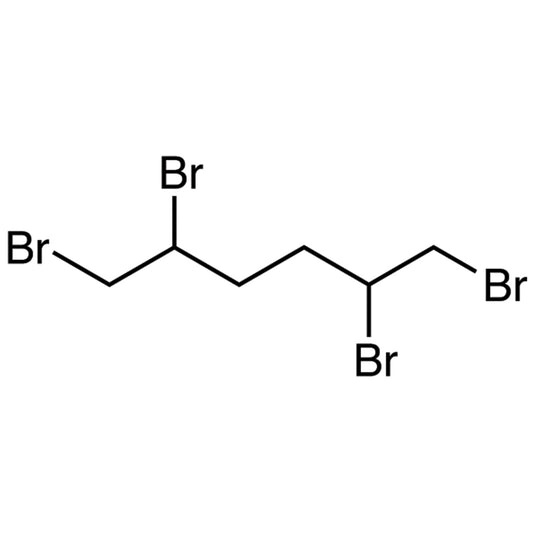
1,2,5,6-Tetrabromohexane(mixtureofdiastereoisomers) TCI T2983
Regular price From Rp 3.367.350,00Regular price -
1,1,1,3-Tetrachloropropane TCI T2426
Regular price Rp 1.856.400,00Regular price -
1-Chlorotriacontane TCI T1911
Regular price Rp 2.359.350,00Regular price -
2'-Bromo-4-chlorobiphenyl TCI B5253
Regular price Rp 1.538.250,00Regular price -
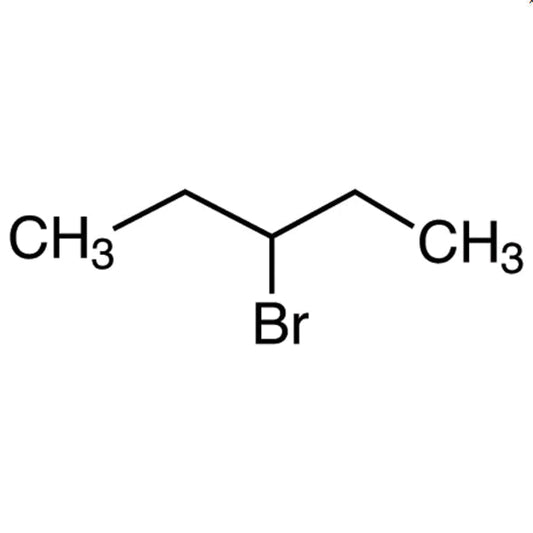
3-Bromopentane TCI B4340
Regular price Rp 3.498.600,00Regular price -
4-Bromo-2-tert-butylphenol TCI B4315
Regular price From Rp 2.386.650,00Regular price -
11-Bromo-1-undecene TCI B3576
Regular price Rp 1.644.300,00Regular price