![5,11-Dihydroindolo[3,2-b]carbazole (CAS 6336-32-9) - TCI D5124 - AMI Scientific](http://amiscientific.com/cdn/shop/files/TCI2510D5124.jpg?v=1767108419&width=1946)
![5,11-Dihydroindolo[3,2-b]carbazole (CAS 6336-32-9) - TCI D5124 - AMI Scientific](http://amiscientific.com/cdn/shop/files/TCI2510D5124.jpg?v=1767108419&width=1445)
5,11-Dihydroindolo[3,2-b]carbazole is a complex heterocyclic compound that plays a significant role in chemical synthesis within laboratory settings. As a building block in organic chemistry, it enables researchers to construct more complex molecular structures with high precision. Its unique chemical structure makes it a valuable tool for those working in synthetic chemistry, particularly in the development of bioactive compounds. This compound is widely used in research aimed at creating new pharmaceuticals and bioactive molecules due to its potential for chemical reactivity and structural versatility.
The compound's chemical properties, including its stability under specific conditions and sensitivity to light and oxidation, make it a preferred choice for specialized applications. Its high reactivity, stemming from its complex heterocyclic framework, allows it to participate in various synthetic pathways. This makes it particularly useful for researchers looking to explore new chemical reactions or modify existing molecular structures. The compound’s ability to serve as a versatile building block in the synthesis of bioactive compounds further enhances its appeal in both academic and industrial research environments.
In Indonesian laboratories, 5,11-Dihydroindolo[3,2-b]carbazole is commonly used in pharmaceutical and organic chemistry research. It is a key component in the development of new drugs and the modification of existing bioactive compounds. Its availability and chemical properties make it a popular choice among researchers working on drug discovery and molecular synthesis projects. The compound’s role in advancing scientific research in Indonesia underscores its importance in the field of chemistry and related disciplines.
TCI brochures (PDF)
- Carbazoles 2025-06-27 · p. 3
- Building Blocks for Organic Semiconductor 2026-03-24 · p. 20
Related TCI products
- TCI D4803 60511-85-5 11,12-Dihydroindolo[2,3-a]carbazole
- TCI T3882 6558-85-6 1,3,6,8-Tetramethyl-9H-carbazole
- TCI T3642 1630723-98-6 N,N,N',N'-Tetrakis(4-methoxyphenyl)-9H-carbazole-3,6-diamine
- TCI B5183 84359-61-5 9-(3-Bromopropyl)carbazole
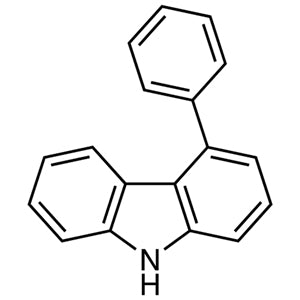
- TCI P2601 1201561-34-3 4-Phenyl-9H-carbazole
- TCI P2351 87220-68-6 9-Phenyl-9H-carbazole-3-carboxaldehyde
- Drug discovery research benefits from this compound's ability to serve as a building block for synthesizing bioactive molecules, enabling the development of new pharmaceuticals.
- Organic synthesis projects utilize its complex heterocyclic structure to create novel compounds with potential therapeutic applications.
- Bioactive compound modification studies rely on its reactivity and structural versatility to alter molecular frameworks for improved biological activity.
- Pharmaceutical research initiatives use it to explore new chemical pathways for the creation of targeted therapies and treatments.
- Chemical reaction development experiments take advantage of its high reactivity to test and optimize synthetic methods for complex molecule synthesis.
| Brand | TCI |
|---|---|
| CAS number | 6336-32-9 |
| Molecular formula | — |
| Purity | — |
| Category | Chemistry > Building Blocks > Heterocyclic Building Blocks |
| Pack sizes | Available in various quantities as per supplier specifications |
| Physical form | Solid, typically in crystalline or powder form |
| Storage | Store in a cool, dark place away from light and oxidizing agents |
This compound should be stored in a cool, dark environment to prevent degradation due to light exposure. It is recommended to use airtight containers to minimize contact with air and moisture, which can lead to oxidation. Researchers should handle the compound with care, using appropriate personal protective equipment such as gloves and safety goggles. Due to its sensitivity, it should be kept away from heat sources and incompatible materials. Proper labeling and storage conditions are essential to maintain its chemical integrity and ensure safe handling in the laboratory.
—
Produk Terkait
-
11,12-Dihydroindolo[2,3-a]carbazole TCI D4803
Regular price From Rp 1.060.500,00Regular price -
1,3,6,8-Tetramethyl-9H-carbazole TCI T3882
Regular price From Rp 4.056.150,00Regular price -
N,N,N',N'-Tetrakis(4-methoxyphenyl)-9H-carbazole-3,6-diamine TCI T3642
Regular price From Rp 9.726.150,00Regular price -
9-(3-Bromopropyl)carbazole TCI B5183
Regular price From Rp 1.988.700,00Regular price -
4-Phenyl-9H-carbazole TCI P2601
Regular price Rp 7.446.600,00Regular price -
9-Phenyl-9H-carbazole-3-carboxaldehyde TCI P2351
Regular price From Rp 3.367.350,00Regular price -
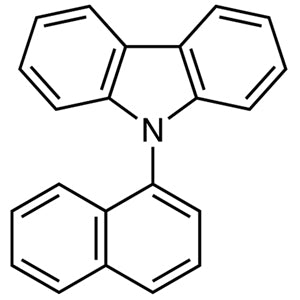
9-(1-Naphthyl)carbazole TCI N1012
Regular price From Rp 848.400,00Regular price -
1-Methyl-9H-carbazole TCI M3317
Regular price Rp 4.001.550,00Regular price
![11,12-Dihydroindolo[2,3-a]carbazole (CAS 60511-85-5) - TCI D4803 - AMI Scientific](http://amiscientific.com/cdn/shop/files/TCI2510D4803.jpg?v=1767107994&width=533)