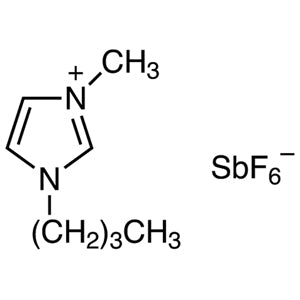
1-Decyl-3-methylimidazolium Tetrafluoroborate is an ionic liquid that plays a crucial role in modern laboratory settings, particularly in specialty synthesis applications. As a non-volatile and thermally stable compound, it serves as a versatile medium for chemical reactions, offering unique advantages over traditional solvents. Its ability to function as a catalyst, solvent, or reaction medium makes it an essential component in advanced chemical processes. This material is widely used in research environments where high stability and minimal environmental impact are critical factors.
The properties of 1-Decyl-3-methylimidazolium Tetrafluoroborate make it a preferred choice for laboratory use. It has a high boiling point and does not evaporate, which ensures consistent performance in prolonged reactions. Additionally, it is water-free and non-corrosive, reducing the risk of side reactions and contamination. These characteristics contribute to its reliability in various chemical processes, making it a valuable tool for researchers and chemists. Its chemical and physical stability further enhances its appeal in both academic and industrial settings.
In Indonesian laboratories, this ionic liquid is commonly used in a range of chemical research activities. It supports the development of new compounds, battery materials, and advanced materials through its unique properties. Its role in organic synthesis and material science research highlights its importance in driving innovation. The material's adaptability and performance make it a popular choice for laboratories focused on cutting-edge research and technological development.
- Organic synthesis of complex compounds due to its ability to act as a non-volatile and stable reaction medium.
- Development of battery materials because of its electrochemical stability and non-corrosive nature.
- Research into new materials as it provides a suitable environment for polymer and composite formation.
- Catalytic processes where its inertness and thermal stability enhance reaction efficiency.
- Environmental studies as it offers a sustainable alternative to traditional volatile solvents.
| Brand | TCI |
|---|---|
| CAS number | 244193-56-4 |
| Molecular formula | — |
| Purity | — |
| Category | Chemistry > Specialty Synthesis > Ionic Liquids |
| Pack sizes | 100g, 500g, 1kg |
| Physical form | Liquid |
| Storage | Store in a cool, dry place away from direct sunlight |
This ionic liquid should be stored in a cool, dry environment, away from direct sunlight and sources of heat. It is recommended to use sealed, airtight containers to prevent contamination and maintain its chemical integrity. Due to its non-volatile nature, it does not require refrigeration but should be kept in a controlled temperature range. Laboratory personnel should handle it with care, using appropriate personal protective equipment such as gloves and safety goggles. It is not corrosive but should be handled as a chemical substance to ensure safety in all experimental procedures. Proper labeling and storage are essential to maintain the material's effectiveness and safety in the laboratory setting.
—
Produk Terkait
-
1-Butyl-3-methylimidazoliumTrifluoroacetate TCI B5526
Regular price From Rp 1.829.100,00Regular price -
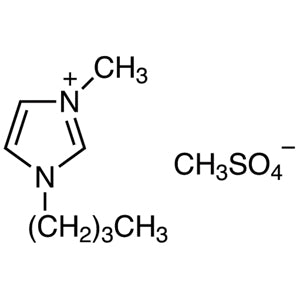
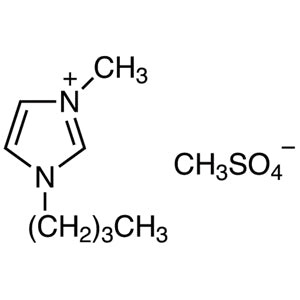
1-Butyl-3-methylimidazoliumMethylSulfate TCI B5527
Regular price From Rp 1.485.750,00Regular price -
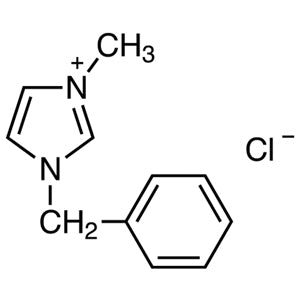
1-Benzyl-3-methylimidazoliumChloride TCI B5543
Regular price Rp 823.200,00Regular price -
1-Butyl-3-methylimidazoliumHydrogenSulfate TCI B5569
Regular price From Rp 823.200,00Regular price -
1-Butyl-3-methylimidazoliumAcetate TCI B5582
Regular price From Rp 875.700,00Regular price -
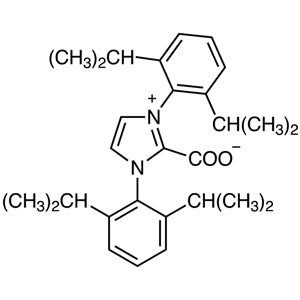
1,3-Bis(2,6-diisopropylphenyl)imidazolium-2-carboxylate TCI B5603
Regular price Rp 2.625.000,00Regular price -
1-Butyl-3-methylimidazoliumHexafluoroantimonate TCI B5724
Regular price From Rp 1.749.300,00Regular price -
1-Benzyl-3-methylimidazoliumTetrafluoroborate TCI B5725
Regular price Rp 717.150,00Regular price