![1,3,5-Tris[4-[(E)-2-(2,6-di-tert-butylpyrylium-4-yl)vinyl]phenyl]benzene Tetrafluoroborate (CAS 2056254-18-1) - TCI D5497 - AMI Scientific](http://amiscientific.com/cdn/shop/files/TCI2510D5497.jpg?v=1768818449&width=1946)
![1,3,5-Tris[4-[(E)-2-(2,6-di-tert-butylpyrylium-4-yl)vinyl]phenyl]benzene Tetrafluoroborate (CAS 2056254-18-1) - TCI D5497 - AMI Scientific](http://amiscientific.com/cdn/shop/files/TCI2510D5497.jpg?v=1768818449&width=1445)
1,3,5-Tris[4-[(E)-2-(2,6-di-tert-butylpyrylium-4-yl)vinyl]phenyl]benzene Tetrafluoroborate is a complex organic compound widely used in research laboratories for its unique chemical properties. This compound plays a crucial role in the development of advanced materials, particularly in the fields of organic chemistry and materials science. Its structural complexity and chemical stability make it a valuable reagent for various synthetic processes. It is commonly used in the synthesis of functional materials that require precise molecular design and controlled chemical interactions.
The compound is known for its high chemical stability and ability to form strong covalent bonds with a variety of substrates. These properties make it a preferred choice in applications where precision and reliability are essential. Its tetrafluoroborate counterion also contributes to its solubility and reactivity in different solvents, enhancing its versatility in laboratory settings. The molecule’s ability to interact with multiple chemical species further expands its utility in complex synthetic reactions.
In Indonesian laboratories, this compound is frequently utilized in research focused on the development of new organic materials. It is particularly relevant in studies involving optical materials, electrochemical systems, and organic photovoltaic devices. Researchers rely on its stable structure and predictable chemical behavior to achieve consistent results in their experiments. Its presence in laboratory workflows supports the advancement of both fundamental and applied research in the chemical sciences.
TCI brochures (PDF)
- Boron Compounds 2025-10-07 · p. 25
Related TCI products
- TCI B4792 62608-15-5 1,4-Bis[2-(9-ethylcarbazol-3-yl)vinyl]benzene
- TCI A0045 108-05-4 Vinyl Acetate Monomer (stabilized with HQ)
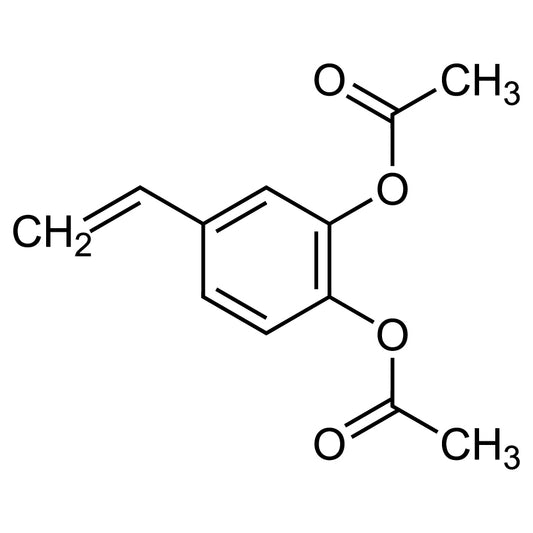
- TCI V0216 57142-64-0 4-Vinyl-1,2-phenylene Diacetate
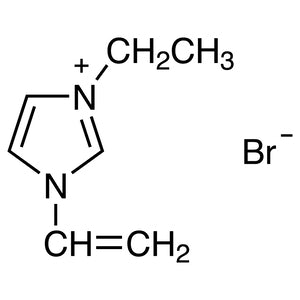
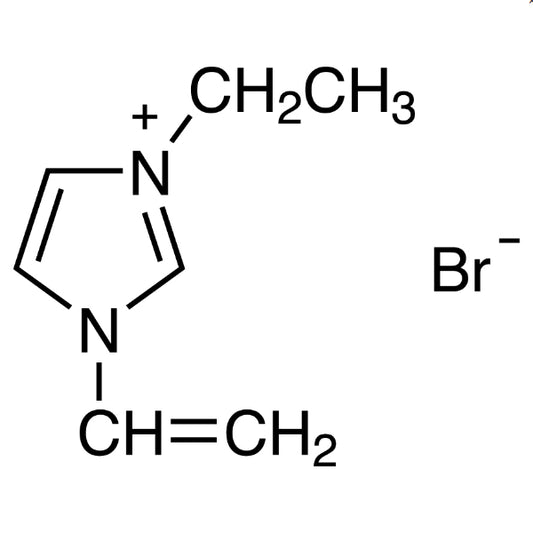
- TCI V0183 34311-88-1 3-Ethyl-1-vinyl-1H-imidazol-3-ium Bromide
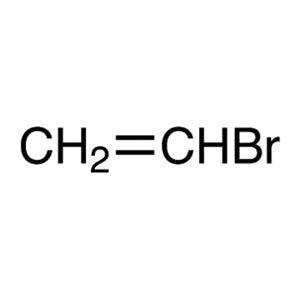
- TCI V0127 593-60-2 Vinyl Bromide (ca. 12% in Tetrahydrofuran, ca. 1.0mol/L)
- TCI V0126 593-60-2 Vinyl Bromide (ca. 14% in Ethyl Ether, ca. 1.0mol/L)
- Organic material development: This compound is ideal for creating advanced organic materials due to its stable molecular structure and ability to form strong chemical bonds.
- Optical material research: Its unique chemical properties make it suitable for the synthesis of optical materials used in light-sensitive applications.
- Electrochemical studies: The compound’s chemical stability and reactivity support research in electrochemical systems and energy storage devices.
- Organic photovoltaic device fabrication: It is used in the development of organic solar cells due to its ability to interact with various substrates and form functional materials.
- Sensor development: Its chemical reactivity and molecular complexity make it a valuable component in the design of sensitive chemical and optical sensors.
| Brand | TCI |
|---|---|
| CAS number | 2056254-18-1 |
| Molecular formula | — |
| Purity | — |
| Category | TCI |
| Pack sizes | Available in various quantities as per supplier specifications |
| Physical form | Solid powder |
| Storage | Store in a cool, dry place away from moisture and direct sunlight |
This compound should be stored in a cool, dry environment to maintain its chemical stability and prevent degradation. It is recommended to use airtight containers to protect it from moisture and contaminants. Due to its complex molecular structure, it should be handled with care to avoid exposure to incompatible substances. Proper ventilation is essential when working with this material to ensure a safe laboratory environment. Always follow standard safety protocols when handling chemical reagents, including the use of personal protective equipment. Regular monitoring of storage conditions will help ensure the compound remains in optimal condition for use in research applications.
—
Produk Terkait
-
1,4-Bis[2-(9-ethylcarbazol-3-yl)vinyl]benzene TCI B4792
Regular price Rp 1.353.450,00Regular price -
VinylAcetateMonomer(stabilizedwithHQ) TCI A0045
Regular price Rp 477.750,00Regular price -
4-Vinyl-1,2-phenyleneDiacetate TCI V0216
Regular price From Rp 1.803.900,00Regular price -
3-Ethyl-1-vinyl-1H-imidazol-3-iumBromide TCI V0183
Regular price From Rp 980.700,00Regular price -
VinylBromide(ca.12%inTetrahydrofuran,ca.1.0mol/L) TCI V0127
Regular price Rp 2.545.200,00Regular price -
VinylBromide(ca.14%inEthylEther,ca.1.0mol/L) TCI V0126
Regular price Rp 2.545.200,00Regular price -
N-Vinyl-epsilon-caprolactam(stabilizedwithHO-TEMPO) TCI V0073
Regular price From Rp 848.400,00Regular price -
2-Vinyl-4,6-diamino-1,3,5-triazine TCI V0057
Regular price Rp 10.362.450,00Regular price
![62608-15-5 1,4-Bis[2-(9-ethylcarbazol-3-yl)vinyl]benzene - AMI Scientific](http://amiscientific.com/cdn/shop/files/TCI2510B4792.jpg?v=1768815675&width=533)