

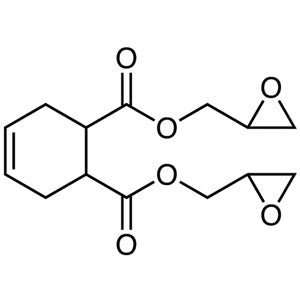
Diglycidyl 4-Cyclohexene-1,2-dicarboxylate is a chemical compound widely used in laboratory settings as a building block for the synthesis of complex molecules. Its epoxide functional group enables it to react with various functional groups, making it a versatile reagent in organic chemistry. This compound is commonly utilized in the development of polymers, resins, and other chemical materials due to its ability to form cross-linked structures. Its role in the laboratory is critical for researchers aiming to design and construct molecules with specific physical and chemical properties.
The compound's reactive nature and complex molecular structure make it a preferred choice for applications requiring high reactivity and the ability to bond with diverse substrates. Its stability under controlled laboratory conditions and availability in solid form contribute to its practicality. These properties ensure that it remains a reliable and efficient reagent for a wide range of chemical processes. The compound's ability to participate in multiple chemical reactions also enhances its utility in both academic and industrial research environments.
In Indonesian laboratories, Diglycidyl 4-Cyclohexene-1,2-dicarboxylate is frequently used in chemical research, material development, and testing. It is a key component in experiments involving polymer synthesis, organic modification, and the creation of advanced chemical materials. Its presence in research institutions and universities highlights its importance in advancing scientific knowledge and innovation in the chemical sciences.
Related TCI products
- TCI E1384 64630-63-3 (3,4-Epoxycyclohexyl)methyl Acrylate (stabilized with HQ)
- TCI N0448 17557-23-2 Neopentyl Glycol Diglycidyl Ether
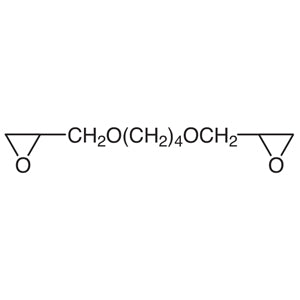
- TCI B0964 2425-79-8 1,4-Butanediol Diglycidyl Ether
- TCI C1434 5493-45-8 Diglycidyl 1,2-Cyclohexanedicarboxylate
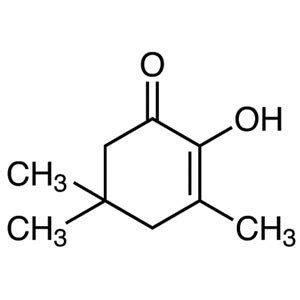
- TCI T2723 4883-60-7 2-Hydroxy-3,5,5-trimethyl-2-cyclohexen-1-one
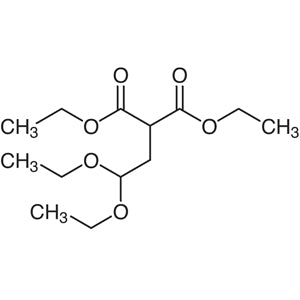
- TCI D2438 21339-47-9 Diethyl 3,3-Diethoxypropane-1,1-dicarboxylate
- Polymer synthesis experiments benefit from this compound's ability to form cross-linked structures, enhancing mechanical and thermal properties of the final product.
- Organic modification processes utilize its reactive epoxide groups to create new functional compounds with tailored properties.
- Resin development relies on its capacity to polymerize with various monomers, leading to durable and versatile materials.
- Material testing applications use it to create and analyze new composite materials with specific performance characteristics.
- Chemical research projects incorporate it as a building block for synthesizing complex molecules with defined chemical and physical properties.
| Brand | TCI |
|---|---|
| CAS number | 21544-03-6 |
| Molecular formula | — |
| Purity | — |
| Category | Chemistry > Building Blocks > Non-Heterocyclic Building Blocks |
| Pack sizes | Available in various quantities as per standard laboratory supply |
| Physical form | Solid |
| Storage | Store in a cool, dry place away from direct sunlight and moisture |
This compound should be stored in a cool, dry environment, away from direct sunlight and moisture to maintain its stability and reactivity. It is recommended to use airtight containers made of materials such as glass or polyethylene to prevent contamination and degradation. Due to its reactive nature, it should be handled with care, using appropriate personal protective equipment such as gloves and safety goggles. Storage conditions should be controlled to ensure the compound remains in optimal condition for use in laboratory applications. Regular monitoring of storage conditions is advised to prevent any potential chemical interactions or degradation over time.
—
Product Categories
Produk Terkait
-
(3,4-Epoxycyclohexyl)methylAcrylate(stabilizedwithHQ) TCI E1384
Regular price From Rp 928.200,00Regular price -
NeopentylGlycolDiglycidylEther TCI N0448
Regular price From Rp 955.500,00Regular price -
1,4-ButanediolDiglycidylEther TCI B0964
Regular price From Rp 1.988.700,00Regular price -
Diglycidyl1,2-Cyclohexanedicarboxylate TCI C1434
Regular price From Rp 1.140.300,00Regular price -
2-Hydroxy-3,5,5-trimethyl-2-cyclohexen-1-one TCI T2723
Regular price Rp 1.273.650,00Regular price -
Diethyl3,3-Diethoxypropane-1,1-dicarboxylate TCI D2438
Regular price From Rp 1.803.900,00Regular price -
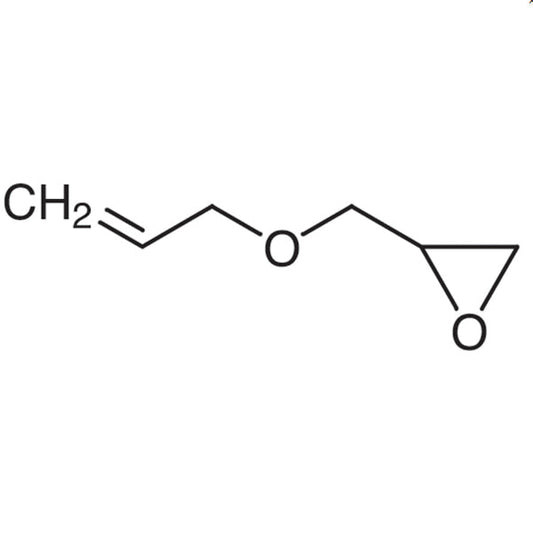
AllylGlycidylEther TCI A0221
Regular price From Rp 477.750,00Regular price -
3-(Oxiran-2-yl)-7-oxabicyclo[410]heptane(mixtureofisomers) TCI V0195
Regular price From Rp 3.870.300,00Regular price




![106-87-6 3-(Oxiran-2-yl)-7-oxabicyclo[4.1.0]heptane (mixture of isomers) - AMI Scientific](http://amiscientific.com/cdn/shop/files/TCI2510V0195.jpg?v=1767145750&width=533)