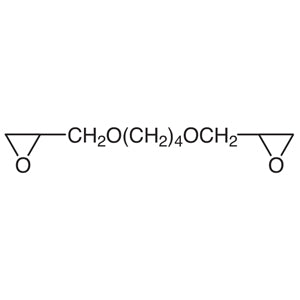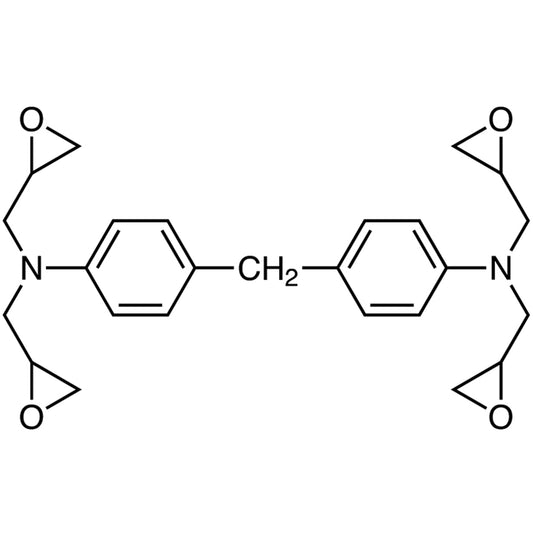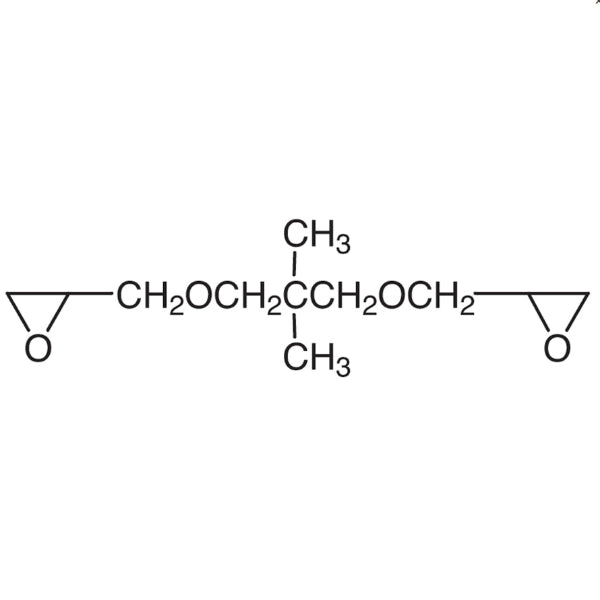
Neopentyl Glycol Diglycidyl Ether (NPGDE), with CAS number 17557-23-2, is a chemical compound widely used in laboratory settings as a building block for the synthesis of heterocyclic compounds. This compound is a key reagent in organic chemistry due to its ability to participate in various epoxide-forming reactions. Its molecular structure consists of two glycol units connected to two epoxide groups, making it highly versatile in chemical synthesis. In the laboratory, NPGDE is essential for creating complex organic molecules and is often used in the development of new materials and polymers.
The reactivity and stability of NPGDE make it a preferred choice for chemical reactions requiring controlled epoxide formation. Its moderate viscosity allows for easy mixing and handling, which is crucial in laboratory processes. The compound is known for its stability under certain conditions, yet it remains highly reactive to environmental factors such as heat, moisture, and other chemical agents. These properties ensure that it can be reliably used in a variety of chemical reactions without compromising the integrity of the final product.
In Indonesian laboratories, NPGDE is commonly used in applied chemistry research, particularly in the fields of materials science and polymer chemistry. It plays a vital role in the development of new materials and is frequently found in research projects focused on creating advanced polymers and composite materials. Its availability and chemical properties make it a valuable resource for both academic and industrial research in Indonesia.
- Epoxide Resin Synthesis: NPGDE is ideal for creating epoxide resins due to its reactive epoxide groups, which form strong cross-linked networks.
- Polymer Development: Its ability to form stable polymers makes it suitable for developing new types of synthetic polymers with specific properties.
- Heterocyclic Compound Synthesis: The compound is used in the synthesis of heterocyclic compounds, which are essential in pharmaceutical and material science research.
- Cross-Linking Agents: NPGDE serves as a cross-linking agent in polymer chemistry, enhancing the mechanical properties of the final product.
- Composite Material Formulation: Its chemical reactivity allows it to be integrated into composite materials, improving their structural and functional characteristics.
| Brand | TCI |
|---|---|
| CAS number | 17557-23-2 |
| Molecular formula | — |
| Purity | — |
| Category | Chemistry > Building Blocks > Heterocyclic Building Blocks |
| Pack sizes | Available in various sizes as per standard laboratory supply |
| Physical form | Liquid |
| Storage | Store in a cool, dry place away from direct sunlight and incompatible materials |
NPGDE should be stored in a cool, dry environment to maintain its chemical stability. It is recommended to keep the compound in a sealed container to prevent exposure to moisture and air, which can affect its reactivity. Suitable storage containers include glass or high-density polyethylene (HDPE) bottles that are resistant to chemical degradation. In laboratory settings, it is important to handle NPGDE with care, using appropriate personal protective equipment such as gloves and safety goggles. The compound should be stored away from incompatible substances like strong acids and bases to avoid potential chemical reactions. Regular monitoring of storage conditions ensures the compound remains safe and effective for use in chemical synthesis and research applications.
—
Produk Terkait
-
1,4-ButanediolDiglycidylEther TCI B0964
Regular price From Rp 1.988.700,00Regular price -
4,4'-Methylenebis(N,N-diglycidylaniline) TCI M2619
Regular price From Rp 717.150,00Regular price -
Diglycidyl4-Cyclohexene-1,2-dicarboxylate TCI D5576
Regular price Rp 848.400,00Regular price -
Diglycidyl1,2-Cyclohexanedicarboxylate TCI C1434
Regular price From Rp 1.140.300,00Regular price -
TriglycidylIsocyanurate TCI I0428
Regular price From Rp 795.900,00Regular price -
PolyethyleneGlycolDiglycidylEther(n=approx4) TCI P3184
Regular price From Rp 1.193.850,00Regular price -
PolyethyleneGlycolDiglycidylEther(n=approx.13) TCI P3183
Regular price From Rp 1.087.800,00Regular price -
PolyethyleneGlycolDiglycidylEther(n=approx.9) TCI P3180
Regular price From Rp 1.060.500,00Regular price