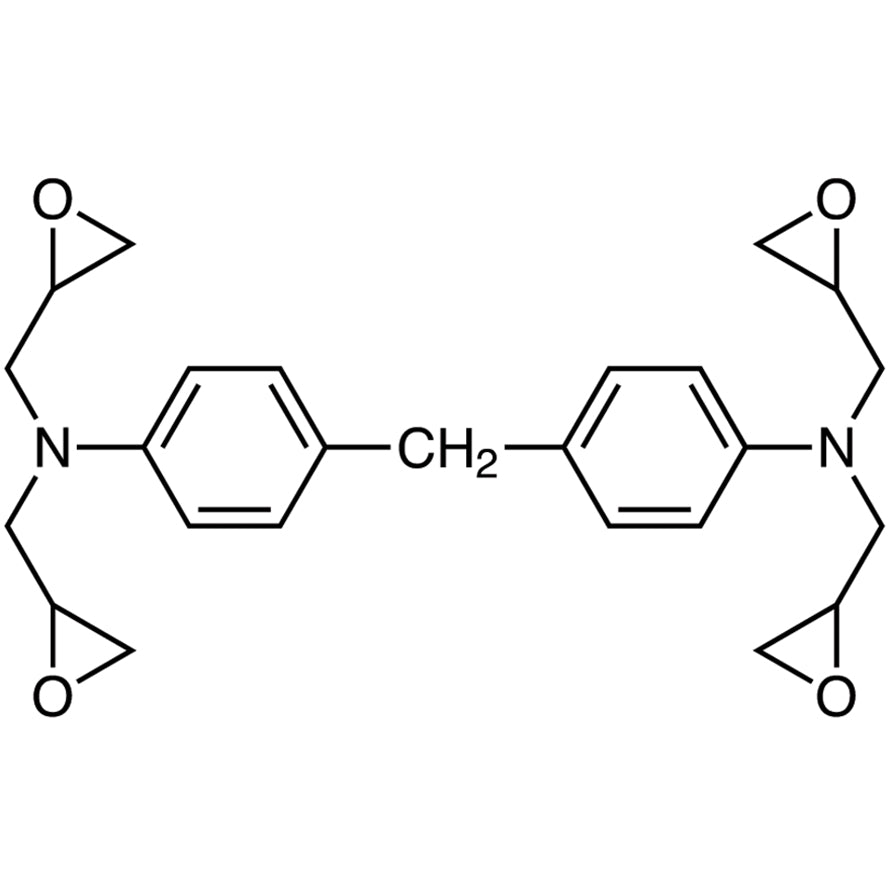
4,4'-Methylenebis(N,N-diglycidylaniline) is a chemical compound widely used as a building block in the synthesis of heterocyclic compounds. This material plays a crucial role in laboratory settings where complex chemical reactions are required, particularly in polymerization and crosslinking processes. Its unique molecular structure allows it to participate in a variety of chemical transformations, making it a versatile reagent for organic chemists. In research and development environments, this compound is essential for creating materials with specific mechanical and thermal properties.
The compound is known for its chemical stability and high reactivity, which are key factors in its popularity among researchers. These properties enable it to form strong covalent bonds, making it ideal for applications that require durable and chemically resistant materials. Its ability to react with multiple functional groups also makes it a valuable tool in the synthesis of advanced materials. Due to its reactivity and structural versatility, it is frequently used in the development of new chemical compounds and in the modification of existing ones.
In Indonesian laboratories, 4,4'-Methylenebis(N,N-diglycidylaniline) is commonly used in scientific research and material development projects. It is a key component in the production of epoxy resins and composite materials, which are widely applied in various industrial sectors. Many research institutions and universities in Indonesia rely on this compound to advance their studies in organic chemistry and material science. Its role in both academic and industrial research makes it an essential reagent in the chemical laboratory.
Related TCI products
- TCI N0448 17557-23-2 Neopentyl Glycol Diglycidyl Ether
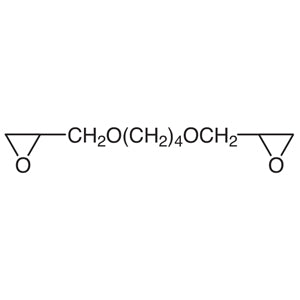
- TCI B0964 2425-79-8 1,4-Butanediol Diglycidyl Ether
- TCI D5576 21544-03-6 Diglycidyl 4-Cyclohexene-1,2-dicarboxylate
- TCI C1434 5493-45-8 Diglycidyl 1,2-Cyclohexanedicarboxylate
- TCI P3184 26403-72-5 Polyethylene Glycol Diglycidyl Ether (n=approx 4)
- TCI P3183 26403-72-5 Polyethylene Glycol Diglycidyl Ether (n=approx. 13)
- Epoxy Resin Synthesis: This compound is widely used in the production of epoxy resins due to its ability to form strong crosslinks, enhancing the mechanical and thermal properties of the final product.
- Composite Material Development: It serves as a key building block in the creation of composite materials, offering improved durability and chemical resistance in various applications.
- Organic Synthesis Research: Its reactivity and structural versatility make it a preferred choice for synthesizing new heterocyclic compounds and modifying existing ones.
- Polymer Crosslinking Studies: The compound is essential in studies involving polymer crosslinking, where it helps improve the stability and performance of polymer networks.
- Material Science Investigations: It is frequently used in material science research to develop advanced materials with specific functional properties for industrial and scientific applications.
| Brand | TCI |
|---|---|
| CAS number | 28768-32-3 |
| Molecular formula | — |
| Purity | — |
| Category | Chemistry > Building Blocks > Heterocyclic Building Blocks |
| Pack sizes | Available in various quantities as per supplier specifications |
| Physical form | Solid |
| Storage | Store in a cool, dry place away from moisture and direct sunlight |
This compound should be stored in a cool, dry environment to maintain its chemical stability and prevent degradation. It is recommended to use airtight containers made of materials such as glass or polyethylene to protect it from moisture and contaminants. Due to its reactivity, it should be handled in a well-ventilated laboratory setting, preferably with appropriate personal protective equipment. Avoid exposure to heat and direct sunlight to ensure long-term storage integrity. Always follow standard laboratory safety protocols when working with reactive chemical compounds to ensure a safe and controlled environment.
—
Produk Terkait
-
NeopentylGlycolDiglycidylEther TCI N0448
Regular price From Rp 955.500,00Regular price -
1,4-ButanediolDiglycidylEther TCI B0964
Regular price From Rp 1.988.700,00Regular price -
Diglycidyl4-Cyclohexene-1,2-dicarboxylate TCI D5576
Regular price Rp 848.400,00Regular price -
Diglycidyl1,2-Cyclohexanedicarboxylate TCI C1434
Regular price From Rp 1.140.300,00Regular price -
PolyethyleneGlycolDiglycidylEther(n=approx4) TCI P3184
Regular price From Rp 1.193.850,00Regular price -
PolyethyleneGlycolDiglycidylEther(n=approx.13) TCI P3183
Regular price From Rp 1.087.800,00Regular price -
PolyethyleneGlycolDiglycidylEther(n=approx.9) TCI P3180
Regular price From Rp 1.060.500,00Regular price -
PolyethyleneGlycolDiglycidylEther(n=approx.22) TCI P2928
Regular price Rp 743.400,00Regular price