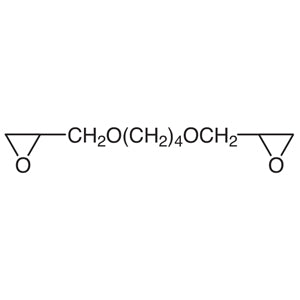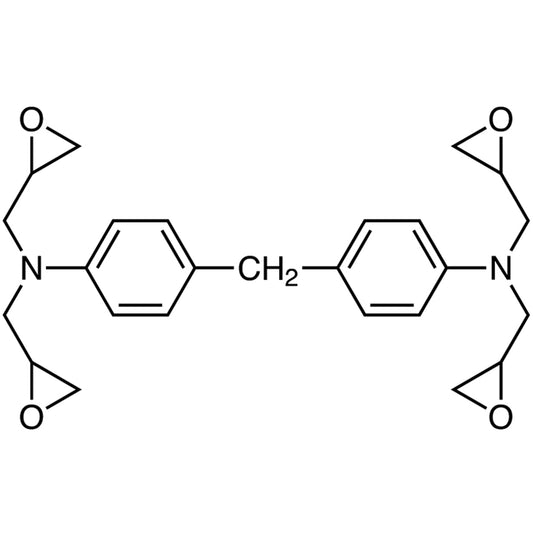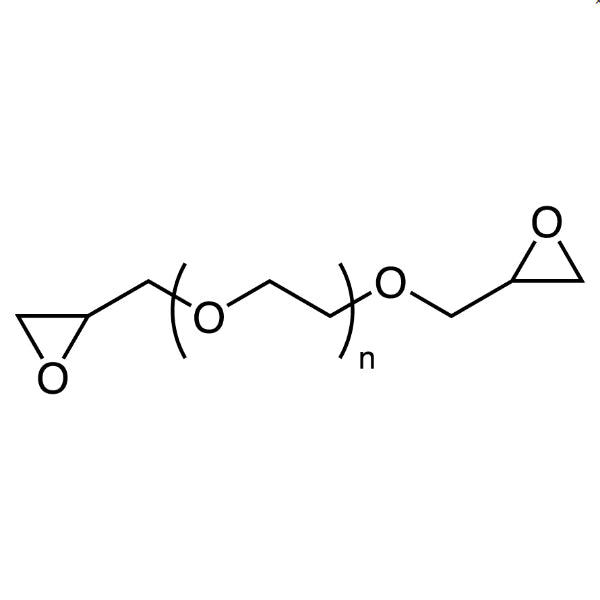
Polyethylene Glycol Diglycidyl Ether (PEG Diglycidyl Ether) is a chemical compound widely used in laboratory applications related to polymer science and chemical reactions. This material is a derivative of polyethylene glycol, featuring two epoxide groups, which make it highly reactive towards various substrates. Its versatility and chemical properties make it a valuable reagent in both academic and industrial research settings. In the laboratory, it serves as a key component in the synthesis of polymers, adhesives, and complex chemical formulations. Its ability to interact with functional groups such as amines, hydroxyls, and carboxylates enhances its utility in a wide range of chemical processes.
The reactivity and flexibility of PEG Diglycidyl Ether are the primary reasons for its popularity in material and organic chemistry research. Its molecular structure allows for easy cross-linking with other molecules, making it ideal for creating composite materials and functional coatings. The compound's high reactivity also makes it suitable for applications requiring strong bonding properties. These characteristics are particularly beneficial in the development of advanced materials, where precise chemical interactions are essential. Its adaptability to different functional groups further expands its use in chemical synthesis and material modification.
In Indonesian laboratories, PEG Diglycidyl Ether is commonly used in scientific research, including the development of new materials, polymer modification, and material performance testing. Its chemical properties make it a preferred choice for institutions and industries requiring reactive and flexible chemical compounds. The compound's role in enhancing material properties and enabling complex chemical reactions ensures its continued relevance in both academic and industrial research environments.
Related TCI products
- TCI B0964 2425-79-8 1,4-Butanediol Diglycidyl Ether
- TCI P3184 26403-72-5 Polyethylene Glycol Diglycidyl Ether (n=approx 4)
- TCI P3183 26403-72-5 Polyethylene Glycol Diglycidyl Ether (n=approx. 13)
- TCI P3180 26403-72-5 Polyethylene Glycol Diglycidyl Ether (n=approx. 9)
- TCI P2294 86630-59-3 Polyethylene Glycol Glycidyl Lauryl Ether
- TCI N0448 17557-23-2 Neopentyl Glycol Diglycidyl Ether
- Polymer synthesis and cross-linking applications benefit from its high reactivity and ability to form stable networks, making it ideal for creating advanced polymeric materials.
- Adhesive formulation is enhanced by its strong bonding capabilities with various substrates, allowing for the development of durable and versatile adhesives.
- Composite material development leverages its ability to interact with functional groups, enabling the creation of materials with tailored properties and enhanced performance.
- Surface modification processes utilize its reactivity to chemically alter surfaces, improving adhesion, biocompatibility, and functional properties of materials.
- Material performance testing involves its use in evaluating the chemical and mechanical properties of polymers and composites under different conditions.
| Brand | TCI |
|---|---|
| CAS number | 26403-72-5 |
| Molecular formula | — |
| Purity | — |
| Category | Materials Science > Polymer/Macromolecule Reagents > Monomers |
| Pack sizes | Available in various quantities as per supplier specifications |
| Physical form | Liquid |
| Storage | Store in a cool, dry place away from direct sunlight and incompatible materials |
This material should be stored in a cool, dry environment, away from direct sunlight and sources of heat. It is recommended to use sealed containers made of materials that are chemically inert to prevent contamination and degradation. Due to its reactive nature, it should be handled with appropriate personal protective equipment, including gloves and safety goggles. Avoid exposure to incompatible substances such as strong acids or bases. Ensure proper ventilation in the workspace to minimize inhalation risks. Regular monitoring of storage conditions is advised to maintain the integrity and safety of the compound during handling and storage.
—
Product Categories
Produk Terkait
-
1,4-ButanediolDiglycidylEther TCI B0964
Regular price From Rp 1.988.700,00Regular price -
PolyethyleneGlycolDiglycidylEther(n=approx4) TCI P3184
Regular price From Rp 1.193.850,00Regular price -
PolyethyleneGlycolDiglycidylEther(n=approx.13) TCI P3183
Regular price From Rp 1.087.800,00Regular price -
PolyethyleneGlycolDiglycidylEther(n=approx.9) TCI P3180
Regular price From Rp 1.060.500,00Regular price -
PolyethyleneGlycolGlycidylLaurylEther TCI P2294
Regular price From Rp 1.060.500,00Regular price -
NeopentylGlycolDiglycidylEther TCI N0448
Regular price From Rp 955.500,00Regular price -
EthyleneGlycolDiglycidylEther(mixture) TCI E0342
Regular price From Rp 584.850,00Regular price -
4,4'-Methylenebis(N,N-diglycidylaniline) TCI M2619
Regular price From Rp 717.150,00Regular price