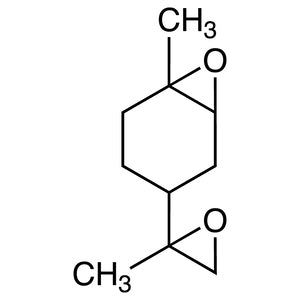
![5,12-Dioxahexacyclo[7.6.1.0~2,8~.0~4,6~.0~10,15~.0~11,13~]hexadecane (mixture of isomers) (CAS 55553-81-6) - TCI D5961 - AMI Scientific](http://amiscientific.com/cdn/shop/files/TCI2510D5961.jpg?v=1767109486&width=1946)
![5,12-Dioxahexacyclo[7.6.1.0~2,8~.0~4,6~.0~10,15~.0~11,13~]hexadecane (mixture of isomers) (CAS 55553-81-6) - TCI D5961 - AMI Scientific](http://amiscientific.com/cdn/shop/files/TCI2510D5961.jpg?v=1767109486&width=1445)
TCI D5961, with CAS number 55553-81-6, is a complex chemical compound known as 5,12-Dioxahexacyclo[7.6.1.0~2,8~.0~4,6~.0~10,15~.0~11,13~]hexadecane (mixture of isomers). This compound is a key component in the field of chemical synthesis, particularly in the development of intricate molecular structures. Its unique cyclic framework and oxygen-containing functionalities make it a versatile building block for organic chemists. It is widely used in research settings where the formation of complex, oxygen-functionalized molecules is required.
The compound's stability under controlled conditions, along with its ability to participate in various synthetic reactions, makes it a preferred choice for advanced chemical research. Its molecular structure allows for the creation of derivatives with specific functional groups, enhancing its utility in the development of pharmaceuticals and specialty chemicals. The compound’s ability to form stable intermediates and its compatibility with a range of synthetic methodologies further solidify its importance in laboratory workflows.
In Indonesian laboratories, TCI D5961 is commonly used in organic synthesis and structural chemistry research. It is particularly favored for its role in the construction of heterocyclic compounds and oxygen-containing functional groups. Its application is widespread in academic and industrial research settings, where its unique properties support the development of new chemical entities and materials.
Related TCI products
- TCI V0195 106-87-6 3-(Oxiran-2-yl)-7-oxabicyclo[410]heptane (mixture of isomers)
- TCI O0590 2886-89-7 1,2:5,6-Diepoxyhexahydroindan (mixture of isomers)
- TCI M3665 41088-52-2 Methyl 7-Oxabicyclo[410]heptane-3-carboxylate (mixture of isomers)
- TCI E1611 2386-87-0 (7-Oxabicyclo[410]heptan-3-yl)methyl 7-Oxabicyclo[410]heptane-3-carboxylate (mixture of isomers)
- TCI D5960 37777-17-6 Dodecahydro-2,6:3,5-dimethano-2H-oxireno[3',4']cyclopenta[1',2':6,7]naphth[2,3-b]oxirene (mixture of isomers)
- TCI L0452 96-08-2 Limonene Dioxide (mixture of isomers)
- Organic synthesis of complex molecules due to its cyclic structure and oxygen functionalities.
- Development of heterocyclic compounds through functional group modification and ring formation.
- Research in structural chemistry requiring precise control over molecular architecture and reactivity.
- Preparation of oxygen-functionalized intermediates for pharmaceutical and material science applications.
- Investigation of molecular reactivity and stability in controlled synthetic environments.
| Brand | TCI |
|---|---|
| CAS number | 55553-81-6 |
| Molecular formula | — |
| Purity | — |
| Category | Chemistry > Building Blocks > Non-Heterocyclic Building Blocks |
| Pack sizes | — |
| Physical form | — |
| Storage | Requires controlled temperature and dry conditions |
TCI D5961 should be stored in a cool, dry environment away from direct sunlight and sources of heat. It is recommended to keep the compound in a sealed container to prevent moisture absorption and contamination. Due to its complex structure, it is important to ensure that the storage conditions do not lead to degradation or unwanted side reactions. Laboratory personnel should handle the compound with care, using appropriate personal protective equipment when necessary. The compound should be stored in a well-ventilated area to minimize exposure risks. Proper labeling and safe storage practices are essential to maintain the integrity and usability of the material in research settings.
—
Produk Terkait
-
3-(Oxiran-2-yl)-7-oxabicyclo[410]heptane(mixtureofisomers) TCI V0195
Regular price From Rp 3.870.300,00Regular price -
1,2:5,6-Diepoxyhexahydroindan(mixtureofisomers) TCI O0590
Regular price From Rp 2.411.850,00Regular price -
Methyl7-Oxabicyclo[410]heptane-3-carboxylate(mixtureofisomers) TCI M3665
Regular price From Rp 1.220.100,00Regular price -
(7-Oxabicyclo[410]heptan-3-yl)methyl7-Oxabicyclo[410]heptane-3-carboxylate(mixtureofisomers) TCI E1611
Regular price Rp 980.700,00Regular price -
Dodecahydro-2,6:3,5-dimethano-2H-oxireno[3',4']cyclopenta[1',2':6,7]naphth[2,3-b]oxirene(mixtureofisomers) TCI D5960
Regular price From Rp 2.889.600,00Regular price -
LimoneneDioxide(mixtureofisomers) TCI L0452
Regular price From Rp 1.193.850,00Regular price -
1,2-Epoxy-4-vinylcyclohexane(mixtureofisomers) TCI E0956
Regular price From Rp 610.050,00Regular price -
1,2-Epoxycyclododecane(mixtureofisomers) TCI E0322
Regular price Rp 1.220.100,00Regular price
![106-87-6 3-(Oxiran-2-yl)-7-oxabicyclo[4.1.0]heptane (mixture of isomers) - AMI Scientific](http://amiscientific.com/cdn/shop/files/TCI2510V0195.jpg?v=1767145750&width=533)

![41088-52-2 Methyl 7-Oxabicyclo[4.1.0]heptane-3-carboxylate (mixture of isomers) - AMI Scientific](http://amiscientific.com/cdn/shop/files/TCI2510M3665.jpg?v=1767128633&width=533)
![(7-Oxabicyclo[4.1.0]heptan-3-yl)methyl 7-Oxabicyclo[4.1.0]heptane-3-carboxylate (mixture of isomers) (CAS 2386-87-0) - TCI E1611 - AMI Scientific](http://amiscientific.com/cdn/shop/files/TCI2510E1611.jpg?v=1767113123&width=533)
![Dodecahydro-2,6:3,5-dimethano-2H-oxireno[3',4']cyclopenta[1',2':6,7]naphth[2,3-b]oxirene (mixture of isomers) (CAS 37777-17-6) - TCI D5960 - AMI Scientific](http://amiscientific.com/cdn/shop/files/TCI2510D5960.jpg?v=1767109482&width=533)