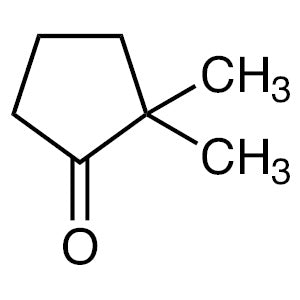
2,2-Dimethylcyclopentanone is an organic compound widely used as a foundational material in various chemical reactions. It serves as a versatile building block in synthetic chemistry, particularly in the development of complex organic molecules. Its cyclic structure, with two methyl groups attached to adjacent carbon atoms, contributes to its reactivity and utility in chemical synthesis. This compound is commonly found in laboratory settings where researchers aim to create new compounds through substitution and bond-forming reactions. Its unique structural features make it an essential component in both academic and industrial research.
The compound’s non-polar nature and volatility make it a preferred choice for many laboratory applications. These properties facilitate evaporation and separation processes, which are critical in analytical techniques such as distillation and chromatography. Additionally, its stability under high-temperature conditions allows it to be used in reactions that require dry and elevated environments. The compound’s ease of availability in various packaging formats further enhances its practicality for use in different experimental scales. Its reliability and consistent performance make it a trusted material for chemical synthesis and research.
In Indonesian laboratories, 2,2-Dimethylcyclopentanone is frequently used in both pure and applied chemistry research. It is a common reagent in educational institutions and research facilities, where it supports the study of reaction mechanisms and the synthesis of new compounds. Its presence in various research projects highlights its importance in advancing chemical knowledge and practical applications within the scientific community.
Related TCI products
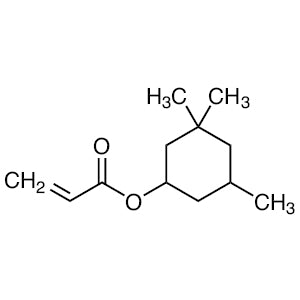
- TCI T3984 86178-38-3 3,3,5-Trimethylcyclohexyl Acrylate (cis- and trans- mixture) (stabilized with MEHQ)
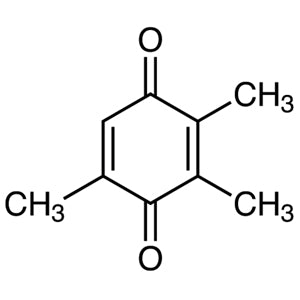
- TCI T3768 935-92-2 2,3,5-Trimethylcyclohexa-2,5-diene-1,4-dione
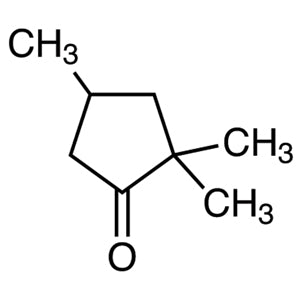
- TCI T1719 28056-54-4 2,2,4-Trimethylcyclopentanone
- TCI P0946 245652-81-7 Bis(cis-3,3,5-trimethylcyclohexyl) Phthalate
- TCI D6225 30434-64-1 3,4-Dimethylcyclopent-2-en-1-one
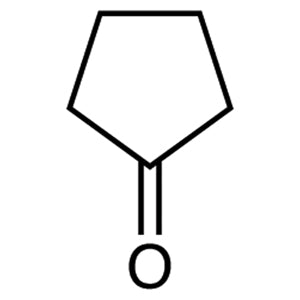
- TCI C0510 120-92-3 Cyclopentanone
- Organic synthesis applications benefit from 2,2-Dimethylcyclopentanone due to its reactivity and structural versatility, enabling the creation of complex molecules.
- It is ideal for substitution reactions because of its stable structure and ability to participate in multiple chemical transformations.
- In pharmaceutical research, it serves as a precursor for synthesizing various drug compounds, supporting the development of new therapeutic agents.
- Its volatility makes it suitable for distillation processes, aiding in the purification of organic compounds through vaporization and condensation.
- It is commonly used in analytical chemistry for separation techniques, where its non-polar nature facilitates efficient solvent interactions and sample preparation.
| Brand | TCI |
|---|---|
| CAS number | 4541-32-6 |
| Molecular formula | — |
| Purity | — |
| Category | Chemistry > Building Blocks > Non-Heterocyclic Building Blocks |
| Pack sizes | Available in various sizes to suit different experimental needs |
| Physical form | Liquid |
| Storage | Store in a cool, dry place away from direct sunlight |
2,2-Dimethylcyclopentanone should be stored in a cool, dry environment to maintain its stability and prevent degradation. It is recommended to use sealed containers made of materials compatible with organic solvents, such as glass or high-density polyethylene. Due to its volatility, it should be kept in a well-ventilated area to minimize exposure to vapors. Avoid direct sunlight and heat sources to ensure long-term storage integrity. Always handle the compound with appropriate personal protective equipment, including gloves and safety goggles, to ensure safe laboratory practices. Regular monitoring of storage conditions is essential to maintain the compound’s quality and effectiveness in chemical applications.
—
Produk Terkait
-
3,3,5-TrimethylcyclohexylAcrylate(cis-andtrans-mixture)(stabilizedwithMEHQ) TCI T3984
Regular price From Rp 1.510.950,00Regular price -
2,3,5-Trimethylcyclohexa-2,5-diene-1,4-dione TCI T3768
Regular price Rp 3.949.050,00Regular price -
2,2,4-Trimethylcyclopentanone TCI T1719
Regular price Rp 7.261.800,00Regular price -
Bis(cis-3,3,5-trimethylcyclohexyl)Phthalate TCI P0946
Regular price From Rp 1.749.300,00Regular price -
3,4-Dimethylcyclopent-2-en-1-one TCI D6225
Regular price Rp 9.011.100,00Regular price -
Cyclopentanone TCI C0510
Regular price From Rp 477.750,00Regular price -
2-Acetylcyclopentanone TCI A0869
Regular price From Rp 980.700,00Regular price -
2-Heptylcyclopentanone TCI H0569
Regular price Rp 4.743.900,00Regular price