
2,3-Diphenylbutane-2,3-diol is a chemical compound widely used as a building block in the synthesis of complex molecules. This compound features a butane backbone with two phenyl groups attached and two hydroxyl groups at positions 2 and 3. Its structural characteristics make it a versatile reagent in organic chemistry, allowing it to participate in various chemical reactions. In the laboratory, it serves as a foundational material for the development of heterocyclic compounds, organic molecules, and pharmaceuticals. Its role is critical in the creation of more complex chemical structures through controlled chemical transformations.
The compound's stability and controlled reactivity make it a preferred choice for laboratory applications. Its hydroxyl groups provide reactive sites that can be modified through various chemical reactions, such as reduction, oxidation, and substitution. Additionally, its solubility in organic solvents like ethyl acetate and acetone facilitates its use in purification and separation processes. These properties ensure that it remains a reliable and effective reagent in synthetic chemistry workflows.
In Indonesian laboratories, 2,3-Diphenylbutane-2,3-diol is commonly used in organic chemistry research, particularly in academic and industrial settings. Its non-volatile nature allows for consistent performance in various experimental conditions, making it a valuable tool for researchers working on drug development and chemical synthesis projects.
- Organic synthesis applications benefit from this compound's ability to serve as a versatile building block in the creation of complex molecules.
- Pharmaceutical research often utilizes this compound to develop new drugs and compounds with therapeutic potential.
- Chemical modification processes rely on its reactive hydroxyl groups to enable further functionalization of molecules.
- Analytical chemistry experiments use it as a reference standard for identifying and quantifying similar compounds.
- Industrial chemical production incorporates it in the synthesis of specialty chemicals and intermediates.
| Brand | TCI |
|---|---|
| CAS number | 1636-34-6 |
| Molecular formula | — |
| Purity | — |
| Category | Chemistry > Building Blocks > Non-Heterocyclic Building Blocks |
| Pack sizes | Available in various quantities as per supplier specifications |
| Physical form | Solid or liquid depending on the specific product variant |
| Storage | Store in a cool, dry place away from direct sunlight |
This compound should be stored in a cool, dry environment to maintain its chemical integrity. It is recommended to use airtight containers to prevent moisture absorption and contamination. Due to its reactivity, it should be handled with care, using appropriate personal protective equipment such as gloves and safety goggles. It is advisable to store it away from incompatible substances to avoid any potential chemical interactions. Proper labeling of containers is essential for safe handling and to ensure that the compound is used correctly in laboratory settings. Regular inspection of storage conditions is necessary to maintain optimal safety and performance.
—
Produk Terkait
-
2-Phenylbutanenitrile TCI P1664
Regular price From Rp 1.087.800,00Regular price -
(2S,3S)-3-(tert-Butoxycarbonylamino)-1,2-epoxy-4-phenylbutane TCI E0893
Regular price From Rp 505.050,00Regular price -
3-Phenylbutanal TCI P3261
Regular price From Rp 1.776.600,00Regular price -
Methyl4-Phenylbutanoate TCI M3860
Regular price From Rp 1.776.600,00Regular price -
1,4-Diphenylbutadiyne TCI D2789
Regular price From Rp 4.001.550,00Regular price -
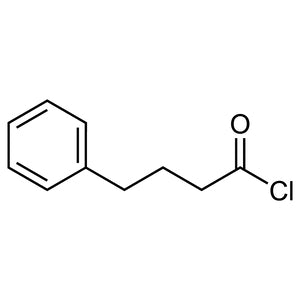
4-PhenylbutanoylChloride TCI B6620
Regular price From Rp 1.378.650,00Regular price -
tert-Butyl[(2S,3R)-3-Hydroxy-4-(isobutylamino)-1-phenylbutan-2-yl]carbamate TCI B6183
Regular price From Rp 1.961.400,00Regular price -
4-Bromo-2,2-diphenylbutyricAcid TCI B3597
Regular price From Rp 1.035.300,00Regular price


![tert-Butyl [(2S,3R)-3-Hydroxy-4-(isobutylamino)-1-phenylbutan-2-yl]carbamate (CAS 160232-08-6) - TCI B6183 - AMI Scientific](http://amiscientific.com/cdn/shop/files/TCI2510B6183.jpg?v=1768816002&width=533)
