6,7-Dimethoxy-3,4-dihydronaphthalen-1(2H)-one is an organic chemical compound widely used in synthetic reactions to produce complex compounds with aromatic structures. This building block plays a crucial role in laboratory settings by serving as a foundational element for constructing more intricate molecular frameworks. Its versatility makes it a valuable resource for chemists involved in various synthetic pathways. Due to its stability and reactivity, it is frequently utilized in both academic and industrial research environments.
The compound's high polarity, attributed to its two methoxy groups at positions 6 and 7, allows it to dissolve well in organic solvents such as ethyl acetate and chloroform. This solubility profile makes it ideal for substitution and condensation reactions. Additionally, its chemical stability under controlled conditions ensures consistent results in synthetic processes. These properties make it a preferred choice for researchers aiming to develop new chemical compounds or functional materials.
In Indonesian laboratories, 6,7-Dimethoxy-3,4-dihydronaphthalen-1(2H)-one is commonly used in organic chemistry research, particularly in the synthesis of complex molecules and the development of new chemical materials. It is a standard reagent in academic institutions and research centers, supporting both teaching and innovation. Its reliability and effectiveness have made it a staple in chemical laboratories across Indonesia.
Related TCI products
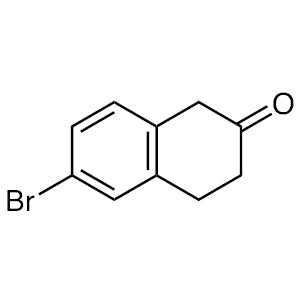
- TCI B4112 4133-35-1 6-Bromo-3,4-dihydronaphthalen-2(1H)-one
- TCI H1578 39604-68-7 2'-Hydroxy-4',6'-dimethoxy-2-(4-methoxyphenyl)acetophenone
- TCI H1577 39604-66-5 2'-Hydroxy-4',6'-dimethoxy-2-phenylacetophenone
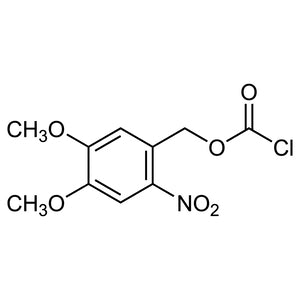
- TCI D6396 42855-00-5 4,5-Dimethoxy-2-nitrobenzyl Carbonochloridate
- TCI D5789 7149-92-0 2,4-Dimethoxy-3-methylbenzaldehyde
- TCI D5477 4101-32-0 4',5'-Dimethoxy-2'-nitroacetophenone
- Organic synthesis applications benefit from its role as a versatile building block for creating complex aromatic structures.
- It is ideal for substitution reactions due to its solubility in organic solvents and reactivity under controlled conditions.
- Condensation reactions often utilize this compound for forming new molecular frameworks with high structural integrity.
- It supports the development of new chemical materials in industrial and academic research settings.
- Its stability and reactivity make it suitable for use in both teaching and experimental research environments.
| Brand | TCI |
|---|---|
| CAS number | 13575-75-2 |
| Molecular formula | — |
| Purity | — |
| Category | Chemistry > Building Blocks > Non-Heterocyclic Building Blocks |
| Pack sizes | Available in various quantities as per standard laboratory requirements |
| Physical form | Solid or crystalline, depending on the specific product variant |
| Storage | Store in a cool, dry place away from direct light and moisture |
This compound should be stored in a cool, dry place, away from direct light and moisture to maintain its chemical stability. It is recommended to use airtight containers made of glass or polyethylene to prevent contamination and degradation. Due to its polar nature, it is important to handle it with appropriate personal protective equipment, such as gloves and safety goggles, to ensure laboratory safety. Proper ventilation should be maintained when working with this compound to minimize exposure. It is not recommended to store it in areas with high humidity or extreme temperatures, as these conditions may affect its performance and shelf life. Always follow standard laboratory safety protocols when handling and storing chemical substances.
—
Produk Terkait
-
6-Bromo-3,4-dihydronaphthalen-2(1H)-one TCI B4112
Regular price From Rp 1.618.050,00Regular price -
2'-Hydroxy-4',6'-dimethoxy-2-(4-methoxyphenyl)acetophenone TCI H1578
Regular price From Rp 1.776.600,00Regular price -
2'-Hydroxy-4',6'-dimethoxy-2-phenylacetophenone TCI H1577
Regular price From Rp 1.326.150,00Regular price -
4,5-Dimethoxy-2-nitrobenzylCarbonochloridate TCI D6396
Regular price From Rp 1.378.650,00Regular price -
2,4-Dimethoxy-3-methylbenzaldehyde TCI D5789
Regular price From Rp 2.279.550,00Regular price -
4',5'-Dimethoxy-2'-nitroacetophenone TCI D5477
Regular price From Rp 3.392.550,00Regular price -
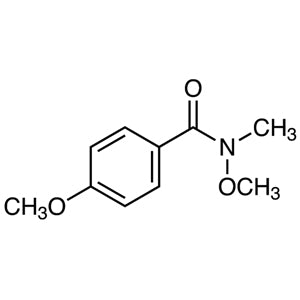
N,4-Dimethoxy-N-methylbenzamide TCI D5475
Regular price From Rp 1.565.550,00Regular price -
2,4-Dimethoxy-beta-methylcinnamicAcid TCI D5047
Regular price From Rp 1.431.150,00Regular price