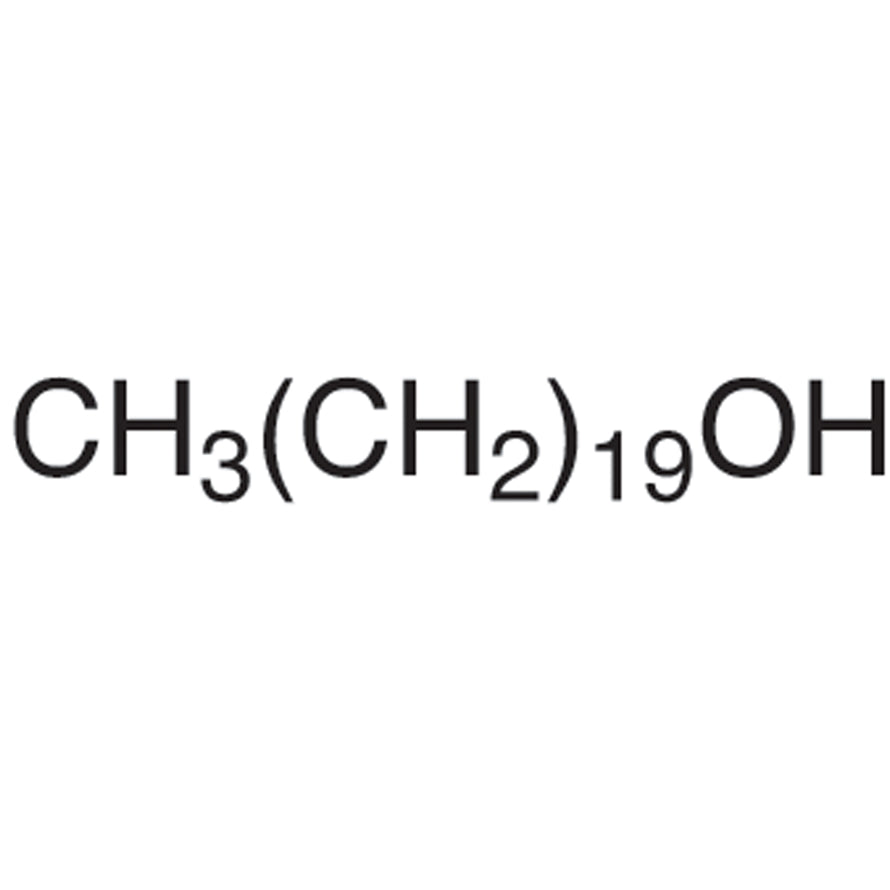
1-Eicosanol is a chemical compound widely used as a foundational building block in various chemical reactions and the synthesis of complex molecules. It plays a crucial role in organic chemistry by serving as a key component in the construction of molecular structures, especially in the synthesis of compounds with long carbon chains. This material is essential for researchers aiming to develop new chemical entities or modify existing ones through functional group transformations. Its versatility makes it a valuable tool in both academic and industrial laboratory settings.
The chemical properties of 1-Eicosanol, including its stability and ability to interact with a range of functional groups, make it a preferred choice for laboratory applications. It is suitable for substitution reactions and coupling reactions, where its chemical inertness and reactivity are advantageous. Additionally, its relatively high melting and boiling points facilitate controlled heating and cooling processes, which are essential in many synthetic procedures. These characteristics ensure that it remains a reliable and efficient reagent in chemical synthesis.
In Indonesian laboratories, 1-Eicosanol is extensively used in chemical research, particularly in the fields of organic synthesis, complex compound analysis, and the development of new chemical products. Its availability and compatibility with a wide range of chemical reactions make it a primary choice for researchers working on molecular structure modifications and functional group manipulations. Its application is especially prominent in academic and industrial research settings where precision and reliability are paramount.
TCI brochures (PDF)
- Lipids 2025-12-17 · p. 15
- Building Blocks for Organic Semiconductor 2026-03-24 · p. 43
- Organic synthesis of complex molecules requires 1-Eicosanol for its structural versatility and reactivity in building long carbon chains.
- Analysis of complex compounds benefits from 1-Eicosanol’s stability and compatibility with various analytical techniques.
- Development of new chemical products relies on 1-Eicosanol’s ability to participate in substitution and coupling reactions.
- Molecular structure modification is enhanced by 1-Eicosanol’s capacity to interact with functional groups during synthetic processes.
- Research in chemical engineering utilizes 1-Eicosanol for its role in creating compounds with specific physical and chemical properties.
| Brand | TCI |
|---|---|
| CAS number | 629-96-9 |
| Molecular formula | — |
| Purity | — |
| Category | Chemistry > Building Blocks > Non-Heterocyclic Building Blocks |
| Pack sizes | Available in various quantities as per supplier specifications |
| Physical form | Solid or liquid, depending on the specific product variant |
| Storage | Store in a cool, dry place away from direct sunlight and incompatible materials |
1-Eicosanol should be stored in a cool, dry environment to maintain its chemical integrity and prevent degradation. It is recommended to use sealed containers to minimize exposure to air and moisture, which could affect its stability. Proper labeling of storage containers is essential for safety and identification purposes. In laboratory settings, it should be kept away from incompatible substances such as strong oxidizers or acids to avoid potential chemical reactions. Regular monitoring of storage conditions ensures that the material remains suitable for use in chemical synthesis and research applications. Always follow standard laboratory safety protocols when handling and storing this compound.
—
Product Categories
Produk Terkait
-
1-Tetradecanol TCI T0084
Regular price From Rp 477.750,00Regular price -
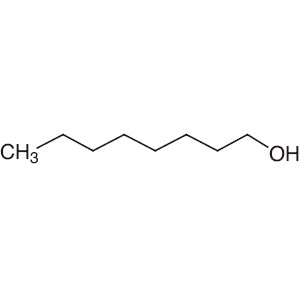
1-Octanol TCI O0036
Regular price From Rp 477.750,00Regular price -
1-Octadecanol TCI O0006
Regular price From Rp 477.750,00Regular price -
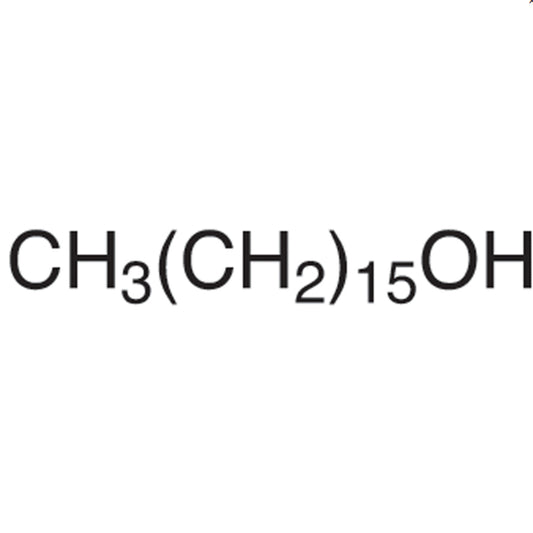
1-Hexadecanol TCI H0071
Regular price From Rp 477.750,00Regular price -
1-Dodecanol TCI D0978
Regular price From Rp 505.050,00Regular price -
ValericAcid TCI V0003
Regular price From Rp 610.050,00Regular price -
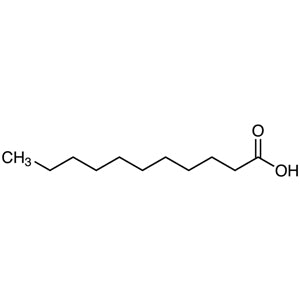
UndecanoicAcid TCI U0004
Regular price From Rp 955.500,00Regular price -
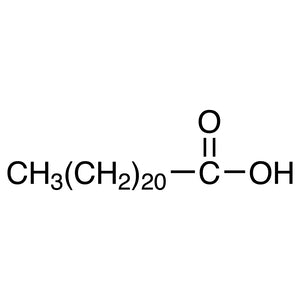
BehenicAcid TCI B1747
Regular price Rp 3.976.350,00Regular price