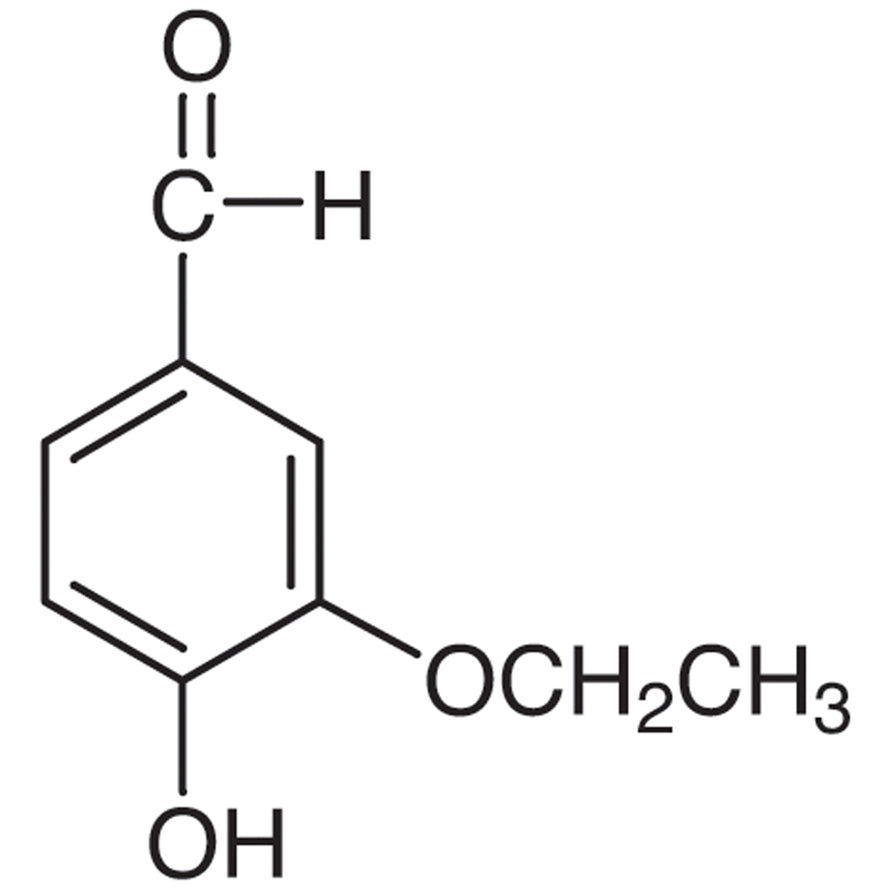
3-Ethoxy-4-hydroxybenzaldehyde is a chemical compound widely used in synthetic reactions to build complex molecular structures. As a building block in organic chemistry, it plays a crucial role in the development of new compounds with specific functional groups. Its aromatic structure, combined with aldehyde and ethoxy-hydroxyl functionalities, makes it a versatile reagent in various chemical transformations. This compound is particularly valuable for its ability to participate in multiple reaction types, including substitution, condensation, and redox processes.
The reactivity and functional group diversity of 3-Ethoxy-4-hydroxybenzaldehyde make it a preferred choice for chemists. Its molecular structure allows for easy modification through various chemical reactions, enabling the synthesis of a wide range of derivatives. The compound's stability under controlled conditions ensures reliable performance in laboratory settings, making it suitable for both routine and advanced research applications. Its consistent chemical and physical properties contribute to its reliability in experimental work.
In Indonesian laboratories, 3-Ethoxy-4-hydroxybenzaldehyde is commonly used in organic chemistry research, especially in pharmaceutical and material science studies. Its availability and chemical properties support a variety of experimental needs, from basic synthesis to more complex molecular design. Researchers in Indonesia rely on this compound for its versatility and effectiveness in creating new compounds with desired characteristics.
Related TCI products
- Organic synthesis is a key application where this compound serves as a versatile building block for creating complex molecules with specific functional groups.
- Pharmaceutical research benefits from its use in the development of compounds with biological activity, particularly in drug discovery and formulation.
- Material science applications leverage its reactivity to synthesize polymers and other advanced materials with tailored properties.
- Analytical chemistry uses it as a standard reference for spectroscopic and chromatographic analysis due to its well-defined structure.
- Biochemistry research incorporates it in the synthesis of compounds with potential therapeutic applications, supporting drug development efforts.
| Brand | TCI |
|---|---|
| CAS number | 121-32-4 |
| Molecular formula | — |
| Purity | — |
| Category | Chemistry > Building Blocks > Non-Heterocyclic Building Blocks |
| Pack sizes | Available in various quantities as per standard laboratory supply |
| Physical form | Solid or liquid, depending on the specific product variant |
| Storage | Store in a cool, dry place away from direct sunlight and moisture |
This compound should be stored in a cool, dry environment to maintain its stability and prevent degradation. It is recommended to use airtight containers to protect it from moisture and air exposure. Proper labeling of storage containers is essential for safety and traceability. In laboratory settings, it should be handled with appropriate personal protective equipment, such as gloves and safety goggles, to minimize direct contact. Regular monitoring of storage conditions ensures the compound remains in optimal condition for use. Avoid exposure to strong oxidizing agents to prevent unwanted chemical reactions.
—
Produk Terkait
-
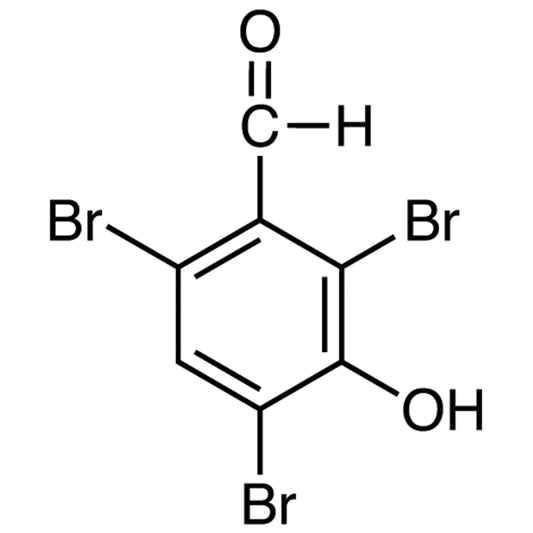
2,4,6-Tribromo-3-hydroxybenzaldehyde TCI T3392
Regular price From Rp 2.174.550,00Regular price -
2-Bromo-5-hydroxybenzaldehyde TCI B3997
Regular price From Rp 1.326.150,00Regular price -
3-Bromo-4-hydroxybenzaldehyde TCI B2350
Regular price Rp 1.644.300,00Regular price -
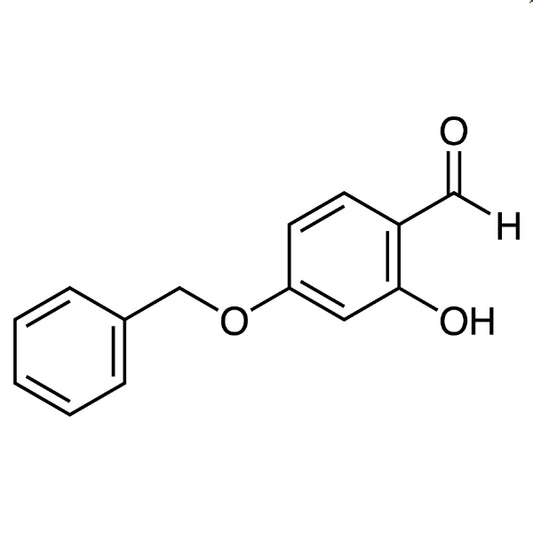
4-(Benzyloxy)-2-hydroxybenzaldehyde TCI H1904
Regular price From Rp 955.500,00Regular price -
4-Hydroxybenzaldehyde TCI H0198
Regular price From Rp 505.050,00Regular price -
3-Hydroxybenzaldehyde TCI H0197
Regular price From Rp 823.200,00Regular price -
4-(Dimethylamino)-2-hydroxybenzaldehyde TCI D6362
Regular price From Rp 2.545.200,00Regular price -
3,5-Dibromo-4-hydroxybenzaldehyde TCI D0189
Regular price Rp 1.590.750,00Regular price