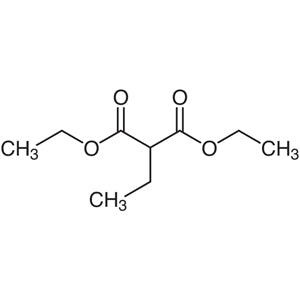
Diethyl Ethylmalonate with CAS number 133-13-1 is the diethyl ester of ethylmalonic acid and ranks among the best-known reagents in classical organic synthesis. The compound presents an active methylene group flanked by two ester groups, which makes the protons at that position relatively easy to remove with a base. In everyday laboratory practice, this material serves as a reliable starting point for constructing new carbon skeletons through alkylation, condensation, and cyclization reactions, and it has long been used in both teaching and advanced organic chemistry research.
The characteristic that makes Diethyl Ethylmalonate a frequent choice is the single ethyl group already installed on the active carbon, allowing researchers to proceed directly to a second alkylation step without first having to prepare a monoalkylated derivative. The two ester groups also provide a clean exit route at the end of a synthesis, because hydrolysis followed by decarboxylation leaves behind the desired carboxylic acid framework. As a liquid that is easily transferred by pipette and soluble in many organic solvents, the compound is practical to use across a wide range of laboratory-scale reaction designs.
In Indonesian laboratories, this reagent is typically found in organic synthesis groups at universities and research institutes, where it supports both instructional work and advanced projects. It is generally handled at the bench in modest volumes, dispensed as needed for individual reaction setups rather than consumed in bulk, and stored alongside other ester reagents used for building-block chemistry. Its familiarity in classical synthesis literature makes it straightforward to incorporate into established procedures.
Related TCI products
- Malonic ester alkylation — the active methylene proton is readily removed by base, and the pre-installed ethyl group lets researchers move straight to the second alkylation step.
- Carboxylic acid synthesis via hydrolysis and decarboxylation — the two ester groups provide a clean removal pathway that leaves the intended carboxylic acid framework behind.
- Condensation reactions for carbon-carbon bond formation — the acidic methylene position generates a stabilized carbanion suitable for building new carbon skeletons in stepwise designs.
- Cyclization routes toward ring systems — the difunctional ester arrangement allows intramolecular closure strategies commonly described in classical organic synthesis procedures.
- Teaching and advanced coursework in organic chemistry — its long-established role in classical synthesis makes it a dependable reagent for demonstrating malonic ester chemistry to students.
| Brand | TCI |
|---|---|
| CAS number | 133-13-1 |
| Molecular formula | — |
| Purity | — |
| Category | Chemistry > Building Blocks > Non-Heterocyclic Building Blocks |
| Pack sizes | available in standard laboratory pack sizes; please confirm the currently listed option |
| Physical form | liquid, soluble in many organic solvents |
| Storage | keep in a tightly closed container in a cool, dry, well-ventilated area away from ignition sources |
- Catalog Code: E0138
Store Diethyl Ethylmalonate in its original tightly closed container in a cool, dry, well-ventilated area, kept away from heat, open flame, and strong oxidizing agents. Glass bottles with chemically compatible closures are suitable for both storage and dispensing, and the container should be resealed promptly after each use to limit exposure to atmospheric moisture. Handle the liquid inside a fume hood while wearing safety glasses, nitrile gloves, and a laboratory coat, transferring volumes with a clean pipette or syringe to avoid contamination. Label all secondary containers clearly, keep the working area free of incompatible chemicals, and follow the manufacturer safety data sheet together with your institution's chemical waste procedures for spills and disposal.
—
Produk Terkait
-
DiethylMethylmalonate TCI M0366
Regular price From Rp 637.350,00Regular price -
DimethylMethylmalonate TCI D6097
Regular price From Rp 1.644.300,00Regular price -
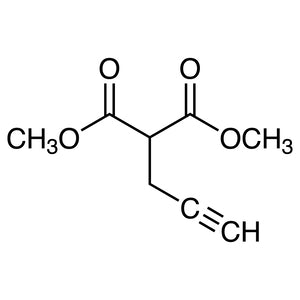
Dimethyl2-Propyn-1-ylmalonate TCI D6072
Regular price From Rp 1.115.100,00Regular price -
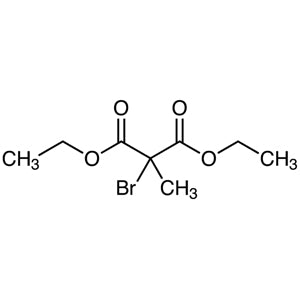
Diethyl2-Bromo-2-methylmalonate TCI D4368
Regular price Rp 2.016.000,00Regular price -
Diethyl2-Ethyl-2-methylmalonate TCI D3630
Regular price From Rp 1.776.600,00Regular price -
DiethylDiethylmalonate TCI D0867
Regular price From Rp 955.500,00Regular price -
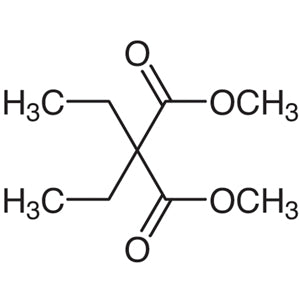
DimethylDiethylmalonate TCI D0292
Regular price Rp 1.510.950,00Regular price -
N,N,N',N'-Tetraethylmalonamide TCI T1966
Regular price Rp 3.683.400,00Regular price