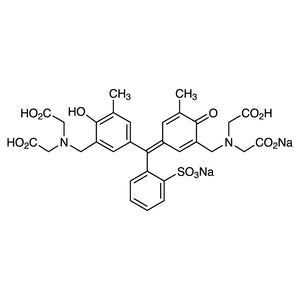
Ethyl Orange is a widely used chemical indicator in analytical chemistry, particularly in titration processes. It serves as a visual tool to detect the endpoint of a chemical reaction in a solution, making it essential for monitoring color changes that signal equilibrium. This reagent is commonly employed in both qualitative and quantitative analysis to determine the concentration of acids or bases in a solution. Its sensitivity to pH changes makes it ideal for acid-base titrations, where it provides a clear and reliable visual cue for the completion of the reaction.
One of the key properties that make Ethyl Orange a preferred choice is its distinct color change in response to pH variations. It appears as a deep pink in acidic environments and shifts to a yellow hue in basic conditions. This characteristic allows for accurate and straightforward identification of the titration endpoint without the need for additional equipment. Its stability and consistent performance make it a trusted reagent in laboratory settings, ensuring reliable results in various analytical procedures.
In Indonesian laboratories, Ethyl Orange is routinely used across multiple disciplines, including analytical chemistry, industrial chemistry, and educational institutions. Its availability and reliability support both research and teaching activities, making it an essential component in practical sessions and experiments. Its role in facilitating clear and accurate observations contributes significantly to the quality of chemical analysis conducted in the region.
TCI brochures (PDF)
- Titration Reagents and TLC Stains 2026-05-07 · p. 3
- Acid-base titration: Ethyl Orange is ideal for detecting the endpoint in acid-base reactions due to its distinct color change with pH variations.
- Qualitative analysis: It helps identify the presence of acids or bases in a solution through visual color indicators.
- Educational experiments: Its clear color change makes it a valuable tool for teaching students about pH and titration processes.
- Industrial quality control: Used in chemical industries to ensure accurate concentration measurements in production processes.
- Research laboratories: Its reliability and sensitivity support precise analytical work in various scientific studies.
| Brand | TCI |
|---|---|
| CAS number | 62758-12-7 |
| Molecular formula | — |
| Purity | — |
| Category | Analytical Chemistry > Analytical Reagents > Titration Reagents |
| Pack sizes | Available in various quantities as per standard laboratory requirements |
| Physical form | Solid powder or solution, depending on formulation |
| Storage | Store in a cool, dry place away from direct sunlight |
Ethyl Orange should be stored in a cool, dry location, away from direct sunlight and moisture to maintain its chemical integrity. It is recommended to use airtight containers to prevent contamination and degradation. As a chemical indicator, it is generally non-hazardous, but standard laboratory safety practices should be followed when handling. Avoid exposure to extreme temperatures and ensure proper ventilation when in use. The reagent should be kept out of reach of children and stored in a designated chemical storage area to ensure safety and compliance with laboratory protocols.
—
Produk Terkait
-
XylenolOrange TCI B0477
Regular price From Rp 875.700,00Regular price -
BenzylOrange TCI B0425
Regular price From Rp 2.147.250,00Regular price -
MordantOrange1MonosodiumSalt TCI A0579
Regular price Rp 1.829.100,00Regular price -
AcidOrange5 TCI A0576
Regular price From Rp 2.466.450,00Regular price -
MethylOrange TCI M0489
Regular price Rp 1.298.850,00Regular price -
ThiazoleOrange TCI T4327
Regular price Rp 3.392.550,00Regular price -
OilOrangeSS TCI T0553
Regular price Rp 664.650,00Regular price -
PigmentOrange43 TCI P2124
Regular price Rp 2.995.650,00Regular price