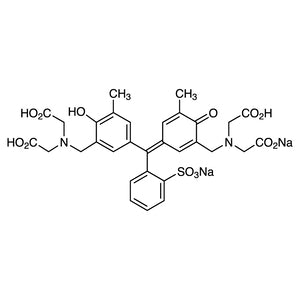
Acid Orange 5 is a synthetic acid dye widely used in chemical experiments and laboratory analyses. It serves as a valuable reagent for various research and experimental applications, particularly in the identification and characterization of organic compounds. This dye is known for its ability to bind with proteins and other organic substances, making it a key component in staining and analytical procedures. Its role in laboratory settings is crucial for processes that require specific molecular interactions and colorimetric responses. Acid Orange 5 is commonly employed in biochemical and chemical research due to its reliability and effectiveness in producing consistent results.
One of the main reasons Acid Orange 5 is preferred is its chemical stability under controlled conditions. It possesses the ability to absorb and bind specific molecules, which makes it suitable for targeted applications in laboratory experiments. Its non-toxic nature under normal conditions also contributes to its safety profile, ensuring that it can be used in a controlled laboratory environment without posing significant health risks. These properties make it a reliable and efficient choice for researchers and scientists working in various fields of chemistry and biochemistry.
In Indonesian laboratories, Acid Orange 5 is frequently used in chemical research, analytical testing, and staining processes. It is an essential tool for scientists conducting experiments that require precise and reproducible results. Its application in both academic and industrial research settings highlights its versatility and importance in the scientific community. The dye’s consistent performance and ease of use make it a preferred choice for a wide range of laboratory activities in Indonesia.
TCI brochures (PDF)
- Titration Reagents and TLC Stains 2026-05-07 · p. 2
- Chemical Analysis: Acid Orange 5 is ideal for chemical analysis due to its ability to bind with organic compounds, aiding in the identification and quantification of specific substances.
- Biochemical Research: It is frequently used in biochemical studies for its capacity to interact with proteins and other biomolecules, supporting structural and functional investigations.
- Staining Procedures: The dye is commonly employed in staining techniques to visualize and differentiate between various components in biological and chemical samples.
- Spectrophotometric Testing: Its stable color properties make it suitable for spectrophotometric analysis, where accurate colorimetric readings are essential.
- Educational Experiments: It is widely used in educational settings to demonstrate molecular interactions and dye behavior in chemical reactions.
| Brand | TCI |
|---|---|
| CAS number | 554-73-4 |
| Molecular formula | — |
| Purity | — |
| Category | Chemistry > Stains and Dyes (for Research and Experimental Use) > Acid Dyes (for Research and Experimental Use) |
| Pack sizes | Available in various quantities as per standard laboratory supply |
| Physical form | Solid or powder, depending on the packaging |
| Storage | Store in a cool, dry place away from direct sunlight |
Acid Orange 5 should be stored in a cool, dry place away from direct sunlight to maintain its chemical stability and prevent degradation. It is recommended to use airtight containers to avoid moisture exposure, which could affect its performance. Proper labeling of storage containers is essential to ensure safe handling and prevent accidental contamination. In laboratory settings, it is important to handle the dye with care, using appropriate personal protective equipment when necessary. Regular inspection of storage conditions ensures that the material remains in optimal condition for use. Adherence to standard laboratory safety protocols is crucial to maintain a safe working environment.
—
Produk Terkait
-
MethylOrange TCI M0489
Regular price Rp 1.298.850,00Regular priceRp 908.250,00Sale price Rp 1.298.850,00 -
XylenolOrange TCI B0477
Regular price From Rp 928.200,00Regular priceRp 664.650,00Sale price From Rp 928.200,00 -
BenzylOrange TCI B0425
Regular price From Rp 2.147.250,00Regular priceRp 1.501.500,00Sale price From Rp 2.147.250,00 -
MordantOrange1MonosodiumSalt TCI A0579
Regular price Rp 1.829.100,00Regular priceRp 1.278.900,00Sale price Rp 1.829.100,00 -
EthylOrange TCI E0155
Regular price Rp 2.359.350,00Regular priceRp 1.649.550,00Sale price Rp 2.359.350,00 -
alpha-NaphtholOrange TCI N0308
Regular price Rp 1.378.650,00Regular priceRp 963.900,00Sale price Rp 1.378.650,00 -
AcidOrange7 TCI G0158
Regular price From Rp 875.700,00Regular priceRp 612.150,00Sale price From Rp 875.700,00 -
ThiazoleOrange TCI T4327
Regular price Rp 3.445.050,00Regular priceRp 2.424.450,00Sale price Rp 3.445.050,00