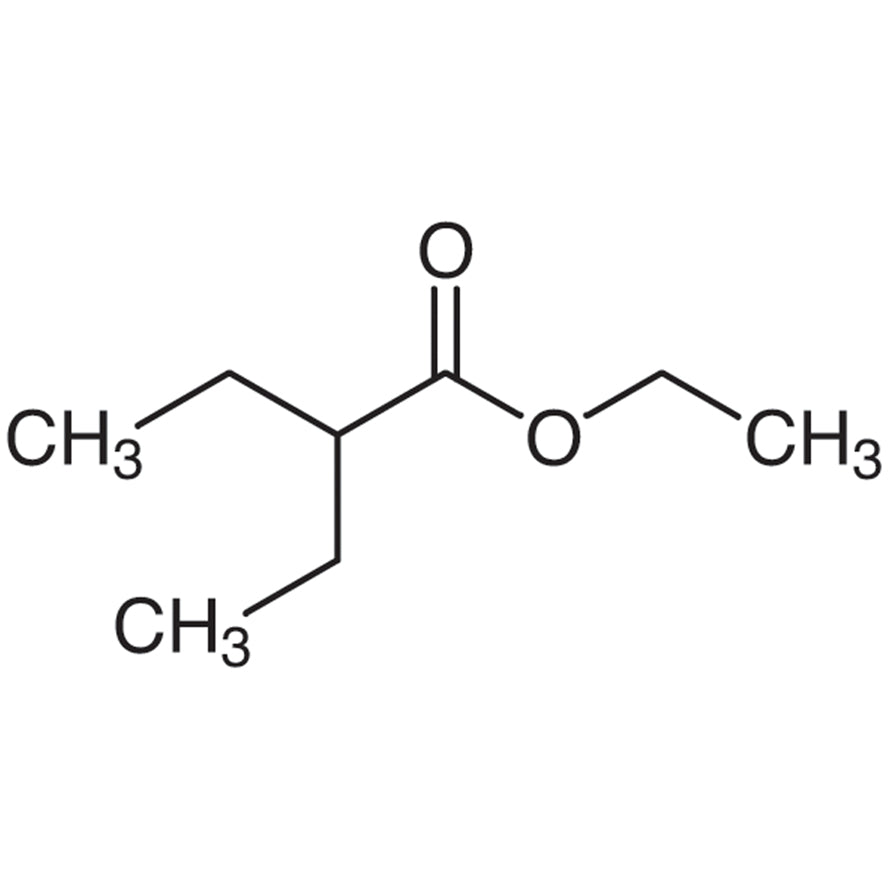
Ethyl 2-Ethylbutyrate is a chemical compound widely used in various laboratory applications, particularly in organic chemistry and biochemistry. It serves as an ester derived from 2-ethylbutanoic acid and ethanol, making it a versatile reagent for synthetic processes and analytical procedures. This compound is commonly employed in research related to flavor and fragrance chemistry due to its distinct aroma, which mimics natural compounds found in food and beverages. Its role in the laboratory extends beyond aroma research, as it is also used as a standard for qualitative and quantitative analysis in biochemical studies.
The chemical properties of Ethyl 2-Ethylbutyrate make it a preferred choice for laboratory use. It exhibits chemical stability under normal conditions, which ensures consistent performance in experiments. Its solubility in organic solvents such as ethyl acetate and ethanol enhances its utility in various analytical techniques. Additionally, its neutral chemical nature and low toxicity in small doses make it a safe option for routine laboratory work. These characteristics contribute to its reliability and ease of handling in both academic and industrial research settings.
In Indonesian laboratories, Ethyl 2-Ethylbutyrate is frequently utilized in research related to aroma, food, and pharmaceutical sciences. It plays a key role in quality testing of food and beverage products, as well as in the study of organic compounds with potential applications in various industries. Its presence in these research areas highlights its importance as a fundamental reagent in both academic and applied scientific investigations.
- Flavor and fragrance research: Ethyl 2-Ethylbutyrate is used to study and replicate natural aromas due to its characteristic scent, making it ideal for sensory analysis and product development.
- Food and beverage quality testing: It serves as a standard compound for analyzing flavor compounds in food and drink samples, ensuring consistency and accuracy in sensory and analytical testing.
- Pharmaceutical research: The compound is utilized in the development and testing of flavoring agents and aroma compounds used in medicinal products and dietary supplements.
- Organic synthesis: It functions as a building block in the synthesis of more complex organic molecules, supporting research in chemical engineering and pharmaceutical chemistry.
- Biochemical analysis: Its stability and solubility make it suitable for use as a reference standard in qualitative and quantitative biochemical assays.
| Brand | TCI |
|---|---|
| CAS number | 2983-38-2 |
| Molecular formula | — |
| Purity | — |
| Category | Life Science > Biochemicals and Reagents > Lipids |
| Pack sizes | Available in various quantities as per supplier specifications |
| Physical form | Liquid |
| Storage | Store in a cool, dry place away from direct sunlight |
Ethyl 2-Ethylbutyrate should be stored in a cool, dry environment, away from direct sunlight and sources of heat. It is recommended to use airtight containers made of glass or polyethylene to prevent contamination and evaporation. Due to its solubility in organic solvents, it should be kept in a well-ventilated area to avoid inhalation of vapors. General laboratory precautions include handling with care to prevent skin contact and ensuring proper disposal in accordance with local regulations. Its neutral chemical nature and low toxicity make it relatively safe to handle, but standard safety protocols should still be followed to ensure a secure working environment.
—
Produk Terkait
-
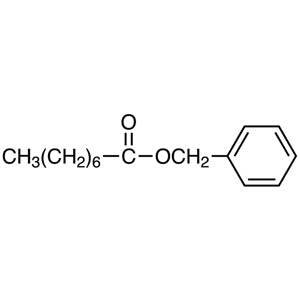
BenzylOctanoate TCI B6116
Regular price Rp 1.538.250,00Regular price -
tert-Butyl4-Bromobutanoate TCI B6167
Regular price Rp 2.439.150,00Regular price -
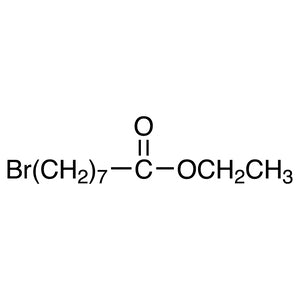
Ethyl8-Bromooctanoate TCI B6430
Regular price From Rp 928.200,00Regular price -
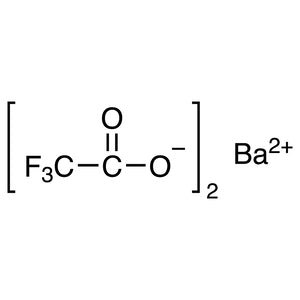
Barium(II)Trifluoroacetate TCI B6582
Regular price From Rp 2.068.500,00Regular price -
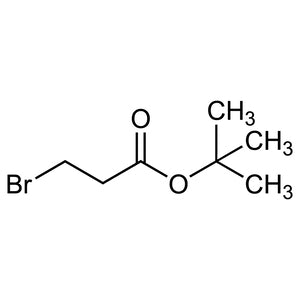
tert-Butyl3-Bromopropanoate TCI B6840
Regular price From Rp 2.545.200,00Regular price -
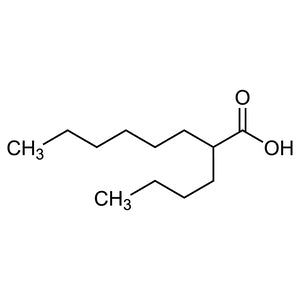
2-ButyloctanoicAcid TCI B6845
Regular price From Rp 848.400,00Regular price -
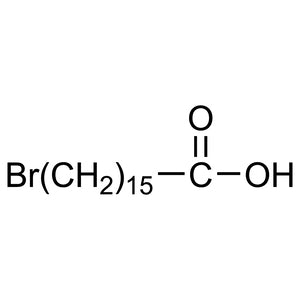
16-BromohexadecanoicAcid TCI B6915
Regular price From Rp 1.378.650,00Regular price -
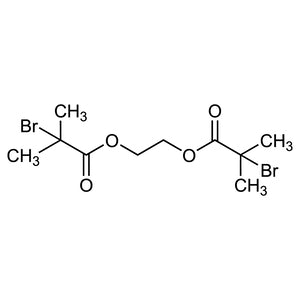
EthyleneBis(2-bromoisobutyrate) TCI B7067
Regular price From Rp 1.829.100,00Regular price