TCI M0734 53398-85-9 cis-3-Hexen-1-yl 2-Methylbutyrate is a chemical compound widely used in laboratory settings for its versatility and chemical stability. As a building block in organic chemistry, it serves as a foundational component for the synthesis of more complex molecules. This compound is particularly valued in research environments where the creation of aromatic compounds, pharmaceuticals, and other organic substances is required. Its role in chemical experimentation makes it an essential tool for both academic and industrial laboratories.
The compound's unique molecular structure, featuring an ester group, contributes to its chemical reactivity and solubility characteristics. These properties make it a preferred choice for researchers seeking reliable and consistent results in their experiments. Its ability to dissolve well in organic solvents further enhances its usability in various chemical processes. The stability of the compound under controlled conditions ensures that it remains effective throughout the duration of experimental procedures.
In Indonesian laboratories, this compound is frequently utilized in organic chemistry research, chemical development, and the production of fragrance materials. Its availability and effectiveness in a wide range of applications have made it a popular choice among researchers and industrial chemists. The compound's reliability and adaptability in different experimental contexts continue to solidify its importance in the scientific community.
Related TCI products
- Used in the synthesis of aromatic compounds due to its ester functionality, which facilitates esterification reactions and fragrance development.
- Applied in pharmaceutical research for the creation of active pharmaceutical ingredients, leveraging its structural versatility.
- Employed in organic synthesis to build complex molecules, offering a reliable starting point for chemical transformations.
- Utilized in fragrance and flavor development for its ability to produce characteristic scent profiles in cosmetic and food industries.
- Integrated into chemical development projects for its role in the design of new organic compounds with specific functional groups.
| Brand | TCI |
|---|---|
| CAS number | 53398-85-9 |
| Molecular formula | — |
| Purity | — |
| Category | Chemistry > Building Blocks > Non-Heterocyclic Building Blocks |
| Pack sizes | Available in various quantities as per supplier specifications |
| Physical form | Liquid |
| Storage | Store in a cool, dry place away from direct sunlight |
This compound should be stored in a cool, dry environment, away from direct sunlight and sources of heat. It is recommended to keep it in a tightly sealed container to prevent exposure to moisture and air. Due to its chemical nature, it should be handled in a well-ventilated area to minimize inhalation risks. Appropriate personal protective equipment, such as gloves and safety goggles, should be worn when handling the compound. It is important to ensure that the storage area is free from incompatible materials to prevent any potential chemical reactions. Proper labeling of containers is essential for safe handling and to avoid accidental misuse in the laboratory.
—
Produk Terkait
-
Isopropyl2-Methylbutyrate TCI I0736
Regular price From Rp 477.750,00Regular price -
Propyl2-Methylbutyrate TCI P1809
Regular price Rp 1.326.150,00Regular price -
MethylDL-2-Methylbutyrate TCI M0758
Regular price From Rp 664.650,00Regular price -
EthylDL-2-Methylbutyrate TCI M0757
Regular price From Rp 848.400,00Regular price -
2-MethylbutylDL-2-Methylbutyrate TCI M0578
Regular price Rp 452.550,00Regular price -
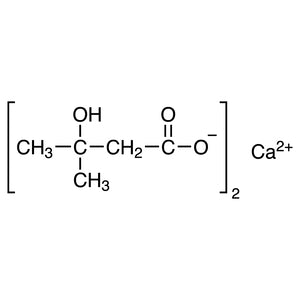
Calcium3-Hydroxy-3-methylbutyrate TCI H0917
Regular price Rp 1.724.100,00Regular price -
Magnesium(II)2-Ethylbutyrate TCI E0396
Regular price Rp 2.677.500,00Regular price -
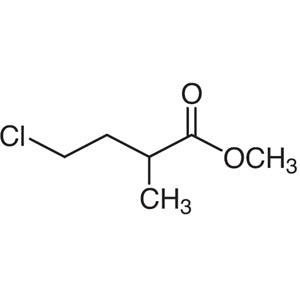
Methyl4-Chloro-2-methylbutyrate TCI C1319
Regular price From Rp 1.140.300,00Regular price