Ethyl (E)-4-Cyanocinnamate is a chemical compound widely used in laboratory settings for the synthesis of complex molecules. As a building block in organic chemistry, it serves as a versatile intermediate in various chemical reactions. Its molecular structure consists of a cinnamoyl chain linked by a cyanide group, making it a valuable tool for structural modification in synthetic pathways. This compound is commonly employed in research to develop new compounds with potential applications in pharmaceuticals and materials science.
The compound is known for its chemical stability under controlled conditions, though it is sensitive to moisture and light exposure. These properties make it suitable for use in reactions that require precise environmental control. Its reactivity allows it to participate in substitution and catalytic reactions, contributing to the formation of bioactive compounds. Due to its predictable behavior in controlled environments, it is a preferred choice for researchers aiming to achieve consistent results in synthetic processes.
In Indonesian laboratories, Ethyl (E)-4-Cyanocinnamate is a key component in research related to pharmacology, organic chemistry, and material science. It is frequently used in academic and industrial research settings to develop new compounds with medical or industrial applications. Its role in drug discovery and material synthesis makes it an essential reagent for scientists working in these fields.
Related TCI products
- Organic synthesis is a primary application where Ethyl (E)-4-Cyanocinnamate is used to create complex molecular structures through substitution and condensation reactions.
- Pharmaceutical research benefits from its ability to participate in reactions that yield bioactive compounds with potential therapeutic applications.
- Material science applications leverage its chemical properties to develop new polymers and functional materials with specific characteristics.
- Analytical chemistry uses it as a reference standard for identifying and quantifying similar compounds in complex mixtures.
- Catalytic processes often incorporate this compound to enhance reaction efficiency and selectivity in synthetic pathways.
| Brand | TCI |
|---|---|
| CAS number | 62174-99-6 |
| Molecular formula | — |
| Purity | — |
| Category | Chemistry > Building Blocks > Non-Heterocyclic Building Blocks |
| Pack sizes | Available in various quantities as per supplier specifications |
| Physical form | Solid, crystalline appearance |
| Storage | Store in a cool, dry place away from light and moisture |
Ethyl (E)-4-Cyanocinnamate should be stored in a cool, dry environment to maintain its chemical stability. It is recommended to keep it in airtight containers to prevent moisture absorption, which can degrade its properties. Exposure to light should be minimized to avoid decomposition. When handling, it is advisable to use appropriate personal protective equipment such as gloves and safety goggles to ensure safety. Due to its reactivity, it should be stored separately from incompatible substances. Proper labeling and storage conditions are essential to ensure the compound remains effective for laboratory use.
—
Produk Terkait
-
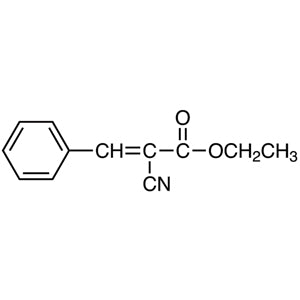
Ethylalpha-Cyanocinnamate TCI C0448
Regular price Rp 3.658.200,00Regular priceRp 2.573.550,00Sale price Rp 3.658.200,00 -
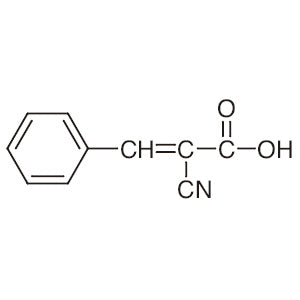
alpha-CyanocinnamicAcid TCI C0447
Regular price Rp 5.512.500,00Regular priceRp 3.870.300,00Sale price Rp 5.512.500,00 -
2,3,4-TrimethoxycinnamicAcid TCI T2016
Regular price From Rp 928.200,00Regular priceRp 664.650,00Sale price From Rp 928.200,00 -
2,4,5-TrimethoxycinnamicAcid TCI T1393
Regular price Rp 2.147.250,00Regular priceRp 1.517.250,00Sale price Rp 2.147.250,00 -
trans-4-Bromocinnamaldehyde TCI B4337
Regular price From Rp 1.060.500,00Regular priceRp 741.300,00Sale price From Rp 1.060.500,00 -
alpha-Bromocinnamaldehyde TCI B1253
Regular price Rp 980.700,00Regular priceRp 685.650,00Sale price Rp 980.700,00 -
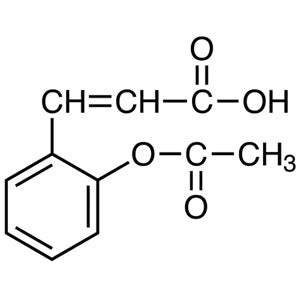
2-AcetoxycinnamicAcid TCI A2413
Regular price From Rp 1.618.050,00Regular priceRp 1.146.600,00Sale price From Rp 1.618.050,00 -
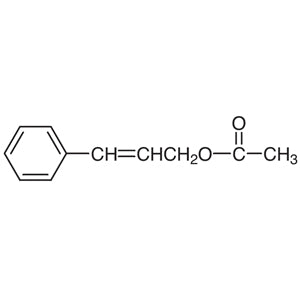
CinnamylAcetate TCI A0901
Regular price From Rp 505.050,00Regular priceRp 352.800,00Sale price From Rp 505.050,00