3-Ethyl-4-methyl-3-pyrrolin-2-one is a chemical compound classified under the heterocyclic category, making it a valuable building block in synthetic chemistry. This compound is widely used in laboratory settings for the synthesis of complex molecules, particularly in organic and pharmaceutical research. Its structural versatility allows chemists to modify it into various functional compounds, enabling the development of new substances with specific biological or chemical properties. As a fundamental component in synthetic pathways, it plays a crucial role in advancing research in multiple scientific disciplines.
The compound is known for its stable heterocyclic structure and high reactivity, which makes it an ideal candidate for chemical reactions with a wide range of reagents. These properties facilitate its use in diverse synthetic processes, contributing to the efficiency and success of laboratory experiments. Additionally, its good solubility in organic solvents simplifies processing and purification steps, enhancing the overall workflow in chemical synthesis. This combination of stability and reactivity ensures that it remains a preferred choice for researchers working on complex molecular designs.
In Indonesian laboratories, 3-Ethyl-4-methyl-3-pyrrolin-2-one is extensively utilized in scientific research, particularly in organic chemistry, pharmacy, and biochemistry. Educational and research institutions across Indonesia rely on this compound for the development of pharmaceutical products, chemical materials, and novel substances. Its application extends to both academic and industrial research, supporting innovation in various scientific fields.
Related TCI products
- TCI B5715 149198-47-0 tert-Butyl (3R,4S)-2-Oxo-4-phenyl-3-[(triethylsilyl)oxy]azetidine-1-carboxylate
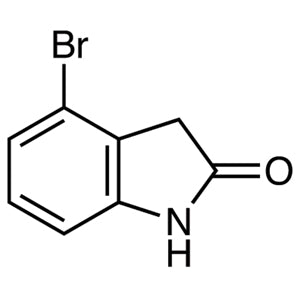
- TCI B5903 99365-48-7 4-Bromoindolin-2-one
- TCI B6082 85909-08-6 tert-Butyl 2-Oxopyrrolidine-1-carboxylate
- TCI B6433 26960-68-9 1-Benzyl-5-chloroindoline-2,3-dione
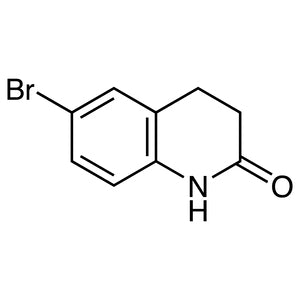
- TCI B6508 3279-90-1 6-Bromo-3,4-dihydroquinolin-2(1H)-one
- TCI B6528 1010100-26-1 3-(5-Bromo-1-oxoisoindolin-2-yl)piperidine-2,6-dione
- Organic synthesis research benefits from this compound due to its versatile structure and reactivity, allowing for the creation of complex molecules with specific biological activities.
- Pharmaceutical development utilizes this compound as a building block for synthesizing active pharmaceutical ingredients, contributing to drug discovery and formulation.
- Biochemical studies employ this compound to investigate its interactions with biological systems, aiding in the understanding of molecular mechanisms and pharmacological effects.
- Chemical education in Indonesian universities incorporates this compound to teach students about heterocyclic chemistry and synthetic pathways in laboratory settings.
- Industrial research and development in chemical manufacturing use this compound for the production of specialty chemicals and advanced materials.
| Brand | TCI |
|---|---|
| CAS number | 766-36-9 |
| Molecular formula | — |
| Purity | — |
| Category | Chemistry > Building Blocks > Heterocyclic Building Blocks |
| Pack sizes | Available in various quantities as per standard laboratory supply |
| Physical form | Liquid |
| Storage | Store in a cool, dry place away from direct sunlight and incompatible materials |
This compound should be stored in a cool, dry environment, away from direct sunlight and sources of heat. It is recommended to keep it in a tightly sealed container to prevent exposure to air and moisture. Due to its reactivity, it should be stored separately from strong oxidizing agents and incompatible substances. Proper ventilation is essential when handling this material to minimize inhalation risks. Laboratory personnel should wear appropriate personal protective equipment, including gloves and safety goggles, to ensure safe handling. Regular monitoring of storage conditions is advised to maintain the compound's stability and effectiveness for laboratory use.
—
Produk Terkait
-
tert-Butyl(3R,4S)-2-Oxo-4-phenyl-3-[(triethylsilyl)oxy]azetidine-1-carboxylate TCI B5715
Regular price Rp 2.068.500,00Regular price -
4-Bromoindolin-2-one TCI B5903
Regular price From Rp 875.700,00Regular price -
tert-Butyl2-Oxopyrrolidine-1-carboxylate TCI B6082
Regular price From Rp 1.749.300,00Regular price -
1-Benzyl-5-chloroindoline-2,3-dione TCI B6433
Regular price Rp 4.108.650,00Regular price -
6-Bromo-3,4-dihydroquinolin-2(1H)-one TCI B6508
Regular price From Rp 2.386.650,00Regular price -
3-(5-Bromo-1-oxoisoindolin-2-yl)piperidine-2,6-dione TCI B6528
Regular price From Rp 1.060.500,00Regular price -
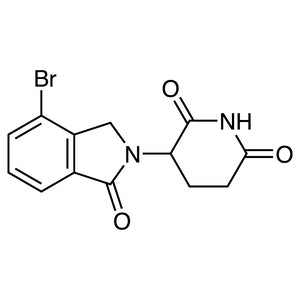
3-(4-Bromo-1-oxoisoindolin-2-yl)piperidine-2,6-dione TCI B6546
Regular price From Rp 1.220.100,00Regular price -
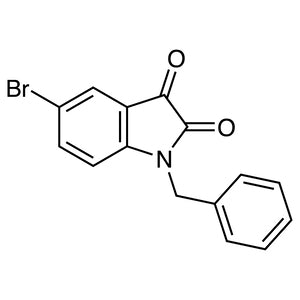
1-Benzyl-5-bromoindoline-2,3-dione TCI B6624
Regular price Rp 3.790.500,00Regular price
![tert-Butyl (3R,4S)-2-Oxo-4-phenyl-3-[(triethylsilyl)oxy]azetidine-1-carboxylate (CAS 149198-47-0) - TCI B5715 - AMI Scientific](http://amiscientific.com/cdn/shop/files/TCI2510B5715.jpg?v=1767092699&width=533)