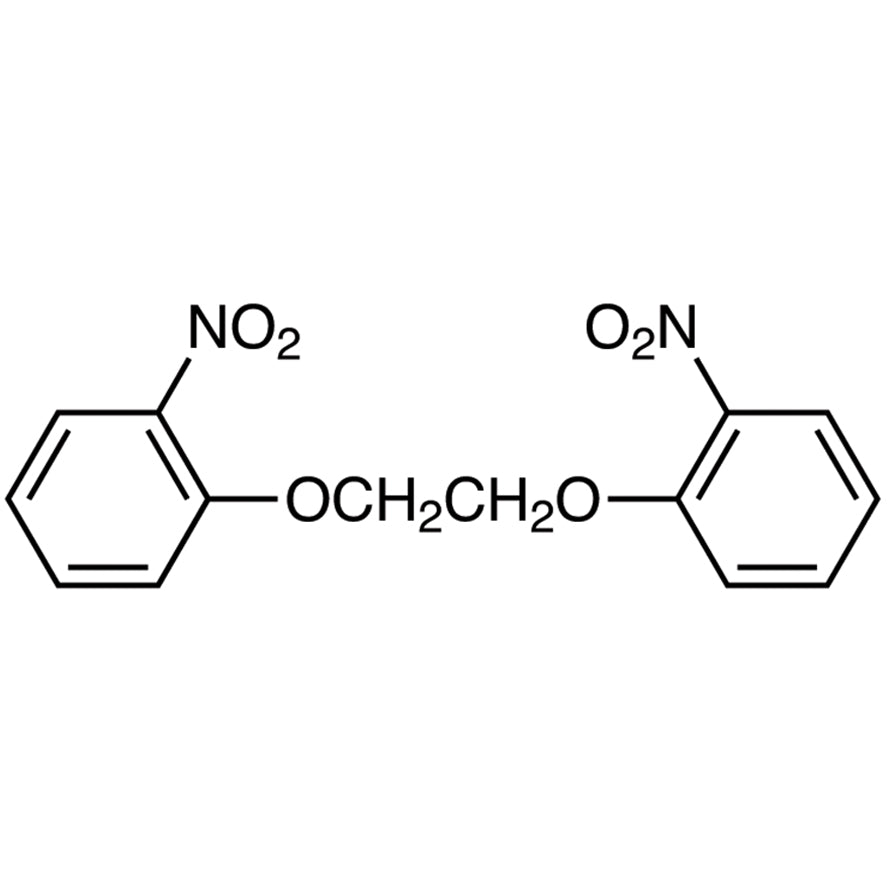
Ethylene Glycol Bis(2-nitrophenyl) Ether is a chemical compound widely used in laboratory settings for the synthesis of complex organic molecules. As a building block in organic chemistry, it serves as a versatile intermediate that enables the formation of intricate molecular structures. This compound is commonly utilized in research environments where the creation of functionalized compounds is required. Its unique molecular structure allows it to act as a bridging agent between two functional groups, facilitating the development of more complex chemical entities.
The compound's chemical properties make it a preferred choice in synthetic chemistry. It exhibits moderate polarity, which allows it to dissolve well in organic solvents, enhancing its reactivity in various chemical reactions. Its stability under controlled conditions, although sensitive to temperature and humidity, makes it suitable for use in laboratory environments with proper handling. The presence of two nitrophenyl groups connected via an ether linkage contributes to its reactivity and versatility in chemical transformations.
In Indonesian laboratories, Ethylene Glycol Bis(2-nitrophenyl) Ether is commonly used in organic chemistry research, particularly in the synthesis of heterocyclic compounds and complex molecular structures. Its availability in small pack sizes makes it ideal for small-scale experiments and research projects. Its role in enabling the formation of diverse chemical structures makes it an essential component in many laboratory workflows.
Related TCI products
- Organic synthesis of heterocyclic compounds due to its ability to act as a bridging agent between functional groups.
- Development of complex molecular structures by enabling the formation of multiple chemical bonds in a single molecule.
- Functional group modification in organic compounds through its reactivity with various chemical reagents.
- Research in medicinal chemistry for the creation of novel pharmaceutical intermediates.
- Use in polymer chemistry for the synthesis of functionalized polymers with specific properties.
| Brand | TCI |
|---|---|
| CAS number | 51661-19-9 |
| Molecular formula | — |
| Purity | — |
| Category | Chemistry > Building Blocks > Non-Heterocyclic Building Blocks |
| Pack sizes | Available in small quantities suitable for laboratory use |
| Physical form | Solid or liquid, depending on the specific product formulation |
| Storage | — |
Ethylene Glycol Bis(2-nitrophenyl) Ether should be stored in a cool, dry place away from direct sunlight and sources of heat. It is recommended to keep the compound in a tightly sealed container to prevent exposure to moisture and air. Due to its sensitivity to temperature and humidity, it is important to maintain stable storage conditions to preserve its chemical integrity. Laboratory personnel should wear appropriate personal protective equipment when handling this compound to ensure safety. Proper ventilation should be maintained in the workspace to minimize inhalation risks. Regular monitoring of storage conditions is essential to ensure the compound remains in optimal condition for use in experiments.
—
Produk Terkait
-
EthyleneCyanohydrin TCI C1285
Regular price From Rp 505.050,00Regular price -
EthyleneCyanohydrin TCI C0450
Regular price Rp 743.400,00Regular price -
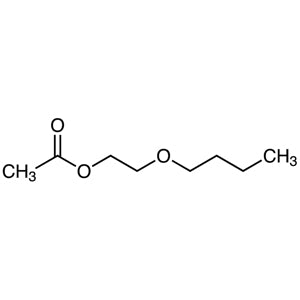
EthyleneGlycolMonobutylEtherAcetate TCI B0700
Regular price From Rp 452.550,00Regular price -
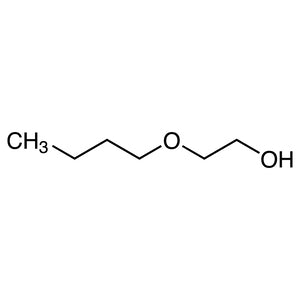
EthyleneGlycolMonobutylEther TCI B0698
Regular price From Rp 477.750,00Regular price -
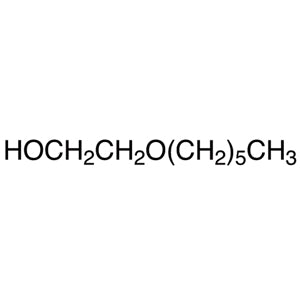
EthyleneGlycolMonohexylEther TCI H0343
Regular price From Rp 505.050,00Regular price -
EthyleneGlycolDi(m-tolyl)Ether TCI E1335
Regular price From Rp 1.856.400,00Regular price -
EthyleneGlycolMonopropylEther TCI E0514
Regular price From Rp 557.550,00Regular price -
EthyleneGlycolMono(4-bromophenyl)Ether TCI E0504
Regular price Rp 7.394.100,00Regular price