Ethyl 3-Methylindole-2-carboxylate is a chemical compound classified under the category of heterocyclic building blocks. This versatile compound plays a crucial role in organic chemistry and pharmaceutical research by serving as a foundational element for the synthesis of complex molecules. Its structural characteristics make it an essential tool for chemists aiming to construct heterocyclic frameworks with specific functionalities. In laboratory settings, it is widely used to develop compounds with targeted biological activities, such as antihistamines or antidepressants, due to its chemical reactivity and compatibility with various synthetic pathways.
One of the key attributes that make Ethyl 3-Methylindole-2-carboxylate a preferred choice is its stability and reactivity. It exhibits suitable chemical behavior in a range of reaction conditions, making it adaptable for substitution reactions, condensation processes, and functional group modifications. Its ability to interact with diverse reagents and functional groups enhances its utility in the synthesis of a wide array of compounds. Additionally, its molecular structure allows for the incorporation of additional functionalities, expanding its potential applications in drug development and chemical synthesis.
In Indonesian laboratories, Ethyl 3-Methylindole-2-carboxylate is commonly used in scientific research across disciplines such as organic chemistry, pharmacology, and biochemical studies. It is a key component in the development of new pharmaceutical compounds and synthetic materials. Its reliability and performance in laboratory settings make it a favored choice among researchers and chemists in Indonesia. The compound's consistent quality and well-documented properties ensure its effectiveness in various experimental protocols.
- Organic synthesis applications benefit from Ethyl 3-Methylindole-2-carboxylate due to its structural versatility and compatibility with a wide range of reaction conditions.
- Pharmaceutical research utilizes this compound for the development of drugs with specific biological activities, such as antihistamines and antidepressants.
- Heterocyclic compound synthesis relies on this building block to create complex molecular structures with defined functional groups.
- Biochemical studies incorporate this compound to investigate its interactions with biological systems and its potential therapeutic applications.
- Chemical research in academic and industrial settings employs this compound for the exploration of new synthetic pathways and molecular modifications.
| Brand | TCI |
|---|---|
| CAS number | 26304-51-8 |
| Molecular formula | — |
| Purity | — |
| Category | Chemistry > Building Blocks > Heterocyclic Building Blocks |
| Pack sizes | Available in various quantities as per standard laboratory supply specifications |
| Physical form | Solid, crystalline appearance |
| Storage | Store in a cool, dry place away from direct light and moisture |
Ethyl 3-Methylindole-2-carboxylate should be stored in a cool, dry environment to maintain its chemical stability and prevent degradation. It is recommended to use airtight containers to minimize exposure to moisture and air, which can affect its reactivity and purity. The compound should be kept away from direct sunlight and sources of heat to ensure long-term integrity. In laboratory settings, it is important to handle the compound with appropriate personal protective equipment, such as gloves and safety goggles, to prevent skin contact and inhalation. Proper labeling and storage conditions are essential to ensure safe handling and prevent cross-contamination in the laboratory environment.
—
Produk Terkait
-
2,3,3,5-Tetramethylindolenine TCI T3458
Regular price From Rp 1.856.400,00Regular priceRp 1.313.550,00Sale price From Rp 1.856.400,00 -
5-Amino-2-methylindole TCI A1539
Regular price From Rp 1.405.950,00Regular priceRp 998.550,00Sale price From Rp 1.405.950,00 -
2,3,3-Trimethylindolenine TCI T0766
Regular price From Rp 1.458.450,00Regular priceRp 1.035.300,00Sale price From Rp 1.458.450,00 -
4-Methylindole TCI M1745
Regular price Rp 1.351.350,00Regular priceRp 960.750,00Sale price Rp 1.351.350,00 -
7-Methylindole TCI M1702
Regular price From Rp 875.700,00Regular priceRp 627.900,00Sale price From Rp 875.700,00 -
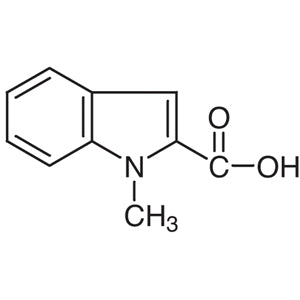
1-Methylindole-2-carboxylicAcid TCI M1519
Regular price From Rp 1.246.350,00Regular priceRp 887.250,00Sale price From Rp 1.246.350,00 -
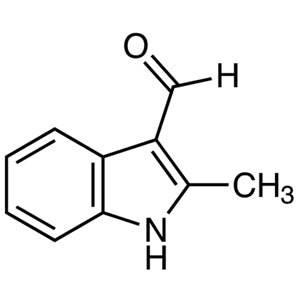
2-Methylindole-3-carboxaldehyde TCI M1485
Regular price From Rp 2.173.500,00Regular priceRp 1.535.100,00Sale price From Rp 2.173.500,00 -
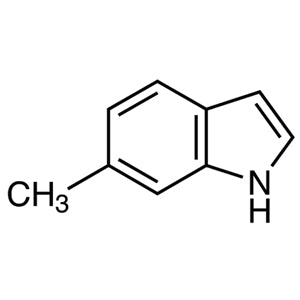
6-Methylindole TCI M1430
Regular price From Rp 1.618.050,00Regular priceRp 1.146.600,00Sale price From Rp 1.618.050,00