Ethyl 4-(4-Chloro-2-methylphenoxy)butyrate is a chemical compound widely used as a building block in the synthesis of complex organic compounds. It plays a crucial role in laboratory settings where precise chemical reactions are required. This compound is commonly employed in reactions that involve the formation of butyrate ester structures with modified phenyl groups. Its versatility makes it an essential component in various synthetic pathways. Due to its stability and compatibility with different reagents, it is a reliable choice for researchers aiming to achieve consistent results in their experiments.
The compound is known for its chemical stability and controlled reactivity, which are key factors in its preference among chemists. It exhibits good solubility in organic solvents such as ethyl acetate and ethanol, facilitating processes like purification and evaporation. These properties make it ideal for applications requiring precise control over reaction conditions. Its ability to interact with acids, bases, and specific catalysts further enhances its utility in diverse chemical reactions. The predictable behavior of this compound ensures that it can be reliably used in both academic and industrial research environments.
In Indonesian laboratories, Ethyl 4-(4-Chloro-2-methylphenoxy)butyrate is frequently used in organic chemistry research, particularly in the fields of pharmacology and material science. It supports the development of new compounds and materials with potential applications in drug discovery and advanced chemical products. Its presence in research institutions across Indonesia highlights its importance in advancing scientific knowledge and innovation in the chemical sciences.
TCI brochures (PDF)
- Synthetic Auxin and Selective Binding to Modified Receptor 2025-05-26 · p. 2
- Plant Hormones 2025-01-30 · p. 1
- Agrochemical Ingredients for Research and Experimental Use 2026-01-08 · p. 3
- Plant Research Reagents 2026-02-24 · p. 10
- Reagents for Biological Research 2025-03-11 · p. 55
Related TCI products
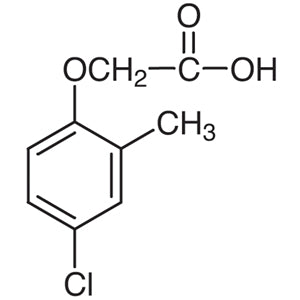
- TCI C0206 94-74-6 (4-Chloro-2-methylphenoxy)acetic Acid
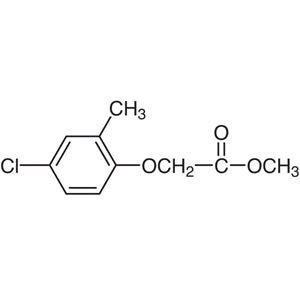
- TCI C0598 2436-73-9 Methyl 4-Chloro-2-methylphenoxyacetate
- TCI D6084 1928-38-7 Methyl (2,4-Dichlorophenoxy)acetate
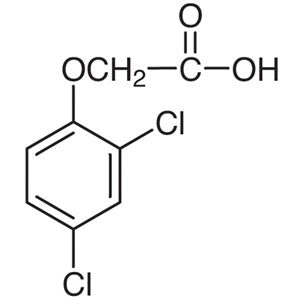
- TCI D0396 94-75-7 2,4-Dichlorophenoxyacetic Acid
- TCI T3391 21120-65-0 4-(4-Methylphenoxy)benzoic Acid
- TCI I1014 5333-40-4 (2-Isopropyl-5-methylphenoxy)acetic Acid
- Organic synthesis is a primary application where this compound is used to create complex molecules with specific functional groups.
- Pharmaceutical research benefits from its role in the development of new drug compounds due to its structural versatility.
- Material science applications rely on its ability to form stable ester linkages, which are essential in polymer and coating formulations.
- Analytical chemistry uses it as a standard reference material for chromatographic and spectroscopic analyses.
- Environmental studies may incorporate it in the study of organic pollutants and their degradation pathways in natural systems.
| Brand | TCI |
|---|---|
| CAS number | 10443-70-6 |
| Molecular formula | — |
| Purity | — |
| Category | Chemistry > Building Blocks > Non-Heterocyclic Building Blocks |
| Pack sizes | Available in various quantities as per supplier specifications |
| Physical form | Solid or liquid, depending on the specific product variant |
| Storage | Store in a cool, dry place away from direct sunlight and incompatible materials |
This compound should be stored in a cool, dry environment to maintain its chemical stability. It is recommended to keep it in a tightly sealed container to prevent exposure to moisture and air. Suitable storage containers include glass or high-density polyethylene bottles to avoid any chemical interactions. In laboratory settings, it should be handled with appropriate personal protective equipment, such as gloves and safety goggles, to ensure safety during use. Proper labeling of containers is essential to prevent accidental exposure. Regular monitoring of storage conditions helps maintain the integrity of the compound and ensures safe handling in research environments.
—
Product Categories
Produk Terkait
-
(4-Chloro-2-methylphenoxy)aceticAcid TCI C0206
Regular price Rp 689.850,00Regular price -
Methyl4-Chloro-2-methylphenoxyacetate TCI C0598
Regular price From Rp 477.750,00Regular price -
Methyl(2,4-Dichlorophenoxy)acetate TCI D6084
Regular price From Rp 2.306.850,00Regular price -
2,4-DichlorophenoxyaceticAcid TCI D0396
Regular price From Rp 664.650,00Regular price -
4-(4-Methylphenoxy)benzoicAcid TCI T3391
Regular price From Rp 2.889.600,00Regular price -
(2-Isopropyl-5-methylphenoxy)aceticAcid TCI I1014
Regular price From Rp 1.035.300,00Regular price -
4-MethylphenoxyaceticAcid TCI M2729
Regular price From Rp 1.405.950,00Regular price -
1-(2,6-Dimethylphenoxy)-2-propanone TCI D5121
Regular price From Rp 769.650,00Regular price