N-Ethynyl-N,4-dimethylbenzenesulfonamide is a chemical compound widely used in organic chemistry applications, particularly in peptide chemistry and the synthesis of complex molecules. This compound serves as a key building block in the development of bioactive compounds, enabling researchers to design and create molecules with specific structural and functional properties. Its unique chemical structure, incorporating both a sulfonamide group and an ethynyl group, makes it highly versatile for various chemical reactions.
The compound's reactivity and structural specificity are the primary reasons it is preferred in chemical biology research. Its ability to participate in substitution reactions, coupling reactions, and complex molecule synthesis makes it a valuable tool for scientists aiming to achieve high precision in their experiments. The stability of its molecular structure further enhances its utility in laboratory settings where consistency and reliability are critical.
In Indonesian laboratories, N-Ethynyl-N,4-dimethylbenzenesulfonamide is commonly used in research related to chemical biology, pharmacology, and materials science. Local researchers rely on this compound for the development of new compounds with potential applications in medicine and industry. Its availability in the local market supports ongoing scientific innovation and experimentation in these fields.
Related TCI products
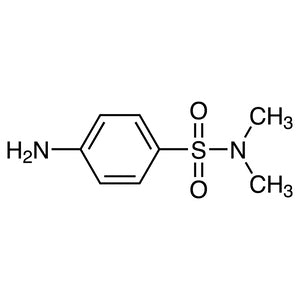
- TCI A3570 1709-59-7 4-Amino-N,N-dimethylbenzenesulfonamide
- TCI T4287 527-53-7 1,2,3,5-Tetramethylbenzene
- TCI B5356 174063-87-7 1,4-Bis[4-(3-acryloyloxypropoxy)benzoyloxy]-2-methylbenzene
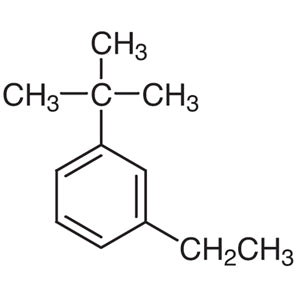
- TCI B1739 14411-56-4 1-tert-Butyl-3-ethylbenzene
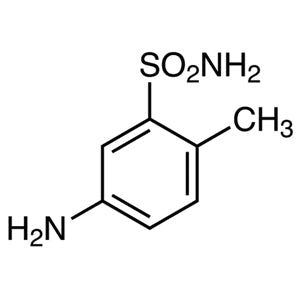
- TCI A2552 6973-09-7 5-Amino-2-methylbenzenesulfonamide
- TCI A0896 6627-59-4 Sodium 2-Amino-4-chloro-5-methylbenzenesulfonate
- Peptide Chemistry Research: This compound is ideal for synthesizing peptides due to its reactivity and structural versatility, enabling the creation of bioactive molecules.
- Bioactive Compound Development: Its unique chemical structure allows for the design of compounds with specific biological activities, supporting drug discovery efforts.
- Organic Synthesis Projects: The compound’s ability to participate in substitution and coupling reactions makes it a valuable reagent in complex molecule synthesis.
- Materials Science Investigations: Its chemical properties make it suitable for the development of new materials with tailored functional characteristics.
- Pharmacological Studies: Researchers use it to explore the biological effects of synthesized compounds, aiding in the discovery of potential therapeutic agents.
| Brand | TCI |
|---|---|
| CAS number | 1005500-75-3 |
| Molecular formula | — |
| Purity | — |
| Category | Chemistry > Chemical Biology > Peptide Chemistry |
| Pack sizes | As per supplier specifications |
| Physical form | Solid (as per standard product description) |
| Storage | Store in a cool, dry place away from moisture and direct sunlight |
This compound should be stored in a cool, dry environment, away from moisture and direct sunlight to maintain its chemical integrity. It is recommended to use airtight containers to prevent exposure to air and potential degradation. Laboratory personnel should handle the compound with care, using appropriate personal protective equipment such as gloves and safety goggles to ensure safety. Due to its chemical nature, it should be stored separately from incompatible substances to avoid any adverse reactions. Regular monitoring of storage conditions is essential to ensure the compound remains stable and suitable for use in research applications.
—
Produk Terkait
-
4-Amino-N,N-dimethylbenzenesulfonamide TCI A3570
Regular price Rp 2.359.350,00Regular price -
1,2,3,5-Tetramethylbenzene TCI T4287
Regular price Rp 4.373.250,00Regular price -
1,4-Bis[4-(3-acryloyloxypropoxy)benzoyloxy]-2-methylbenzene TCI B5356
Regular price From Rp 1.485.750,00Regular price -
1-tert-Butyl-3-ethylbenzene TCI B1739
Regular price Rp 1.881.600,00Regular price -
5-Amino-2-methylbenzenesulfonamide TCI A2552
Regular price Rp 769.650,00Regular price -
Sodium2-Amino-4-chloro-5-methylbenzenesulfonate TCI A0896
Regular price From Rp 452.550,00Regular price -
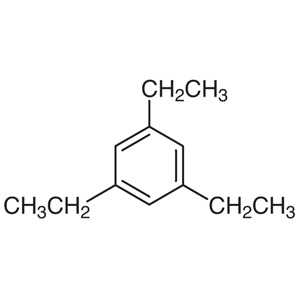
1,3,5-Triethylbenzene TCI T0868
Regular price From Rp 1.936.200,00Regular price -
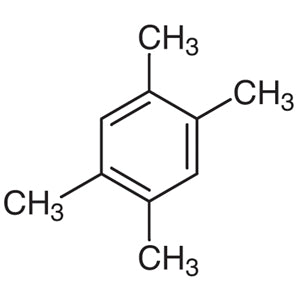
1,2,4,5-Tetramethylbenzene TCI T0714
Regular price From Rp 875.700,00Regular price

![174063-87-7 1,4-Bis[4-(3-acryloyloxypropoxy)benzoyloxy]-2-methylbenzene - AMI Scientific](http://amiscientific.com/cdn/shop/files/TCI2510B5356.jpg?v=1768815782&width=533)