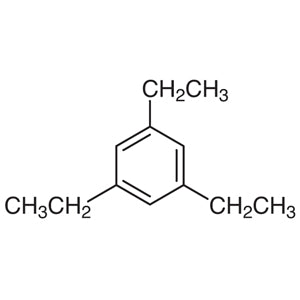
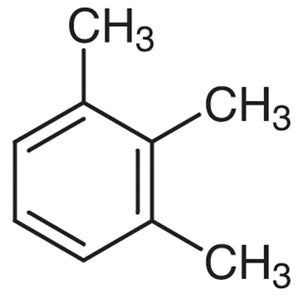
1,3,5-Triethylbenzene is an organic chemical compound widely used as a building block in various chemical reactions within laboratory settings. It is a symmetrical aromatic compound with three ethyl groups attached to the carbon atoms at positions 1, 3, and 5 of the benzene ring. This structural feature makes it a versatile intermediate for the synthesis of complex organic molecules. Its presence in laboratory research is significant due to its ability to participate in multiple reaction pathways, making it a key component in synthetic chemistry.
The compound is known for its stable nature and controlled reactivity, which are essential characteristics for laboratory applications. It is non-polar and volatile, allowing it to be easily vaporized and transported through air, which is advantageous in reactions requiring specific environmental conditions. Its low reactivity also ensures that it remains relatively inert under normal conditions, reducing the risk of unwanted side reactions. These properties make it a preferred choice for researchers seeking reliable and predictable chemical behavior.
In Indonesian laboratories, 1,3,5-Triethylbenzene is commonly used in chemical synthesis and research, particularly in the development of aromatic derivatives and symmetrically structured compounds. Its availability through suppliers like AMI Scientific ensures that researchers have access to this essential reagent for their experiments. The compound's utility extends to both academic and industrial research, supporting a wide range of chemical investigations.
- Synthetic chemistry applications benefit from its stable structure and predictable reactivity, allowing for controlled modifications of aromatic compounds.
- It is ideal for the synthesis of symmetrically structured molecules due to its uniform distribution of ethyl groups on the benzene ring.
- In organic reaction studies, it serves as a versatile building block for creating complex aromatic derivatives with specific functional groups.
- Its non-polar nature makes it suitable for use in organic solvents, where it can act as a solvent or a reaction medium.
- It is frequently used in vacuum-based reactions due to its volatility, enabling efficient removal of by-products and facilitating purification processes.
| Brand | TCI |
|---|---|
| CAS number | 102-25-0 |
| Molecular formula | — |
| Purity | — |
| Category | Chemistry > Building Blocks > Non-Heterocyclic Building Blocks |
| Pack sizes | Available in various quantities as per supplier specifications |
| Physical form | Liquid |
| Storage | Store in a cool, dry place away from direct sunlight and incompatible materials |
1,3,5-Triethylbenzene should be stored in a cool, dry environment to maintain its stability and prevent degradation. It is recommended to keep the compound in a sealed container made of materials compatible with organic solvents, such as glass or high-density polyethylene. Due to its volatility, it should be stored in a well-ventilated area to minimize exposure to vapors. Proper labeling of containers is essential to ensure safe handling and prevent accidental use. In laboratory settings, it is important to avoid contact with incompatible substances, such as strong oxidizing agents, to ensure safety. Regular monitoring of storage conditions helps maintain the integrity of the compound and supports safe laboratory practices.
—
Produk Terkait
-
1,3,5-Triethylbenzene TCI T0426
Regular price From Rp 3.367.350,00Regular priceRp 2.354.100,00Sale price From Rp 3.367.350,00 -
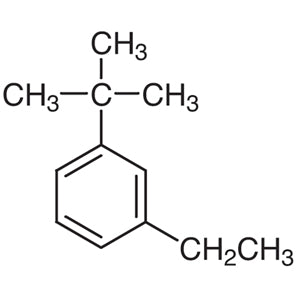
1-tert-Butyl-3-ethylbenzene TCI B1739
Regular price Rp 1.881.600,00Regular priceRp 1.315.650,00Sale price Rp 1.881.600,00 -
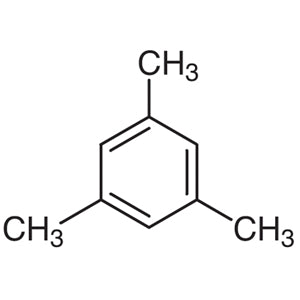
1,3,5-Trimethylbenzene TCI T0470
Regular price From Rp 452.550,00Regular priceRp 316.050,00Sale price From Rp 452.550,00 -
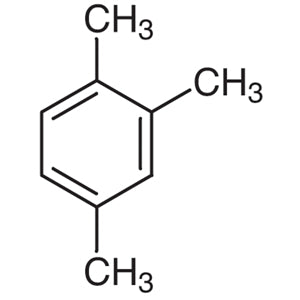
1,2,4-Trimethylbenzene TCI T0469
Regular price From Rp 477.750,00Regular priceRp 333.900,00Sale price From Rp 477.750,00 -
1,2,3-Trimethylbenzene TCI T0468
Regular price From Rp 717.150,00Regular priceRp 500.850,00Sale price From Rp 717.150,00 -
2-Ethynyl-1,3,5-trimethylbenzene TCI E1361
Regular price From Rp 2.466.450,00Regular priceRp 1.724.100,00Sale price From Rp 2.466.450,00 -
1-Ethynyl-2-methylbenzene TCI E0629
Regular price From Rp 1.405.950,00Regular priceRp 982.800,00Sale price From Rp 1.405.950,00 -
Ethylbenzene TCI E0064
Regular price From Rp 452.550,00Regular priceRp 316.050,00Sale price From Rp 452.550,00