TCI E1459 Selenium Dioxide, CAS 7446-08-4, is an inorganic oxide of selenium that has long served as a classical reagent in synthetic organic chemistry, particularly for oxidation reactions. The compound is best known through the Riley oxidation, the conversion of carbonyl compounds into dicarbonyl compounds, and through allylic oxidation, which transforms double bonds into allylic alcohols or enones. In the laboratory, selenium dioxide acts as a selective oxidant capable of working at specific positions within a molecule, something that is difficult to achieve with common oxidants of lower selectivity.
The principal advantage of this compound lies in its positional selectivity. The mechanism of allylic oxidation, which proceeds through an ene reaction followed by a sigmatropic rearrangement, causes the hydroxyl group to enter at a predictable position, making the reaction highly valuable in the total synthesis of natural products such as terpenoids and steroids. Selenium dioxide can also be used in catalytic quantities together with a co-oxidant such as hydrogen peroxide or tert-butyl hydroperoxide, so that the amount of residual selenium in the reaction can be kept to a minimum.
The compound takes the form of a white crystalline solid that is hygroscopic in character. In Indonesian laboratories, this material is typically found in synthetic organic chemistry groups at universities and research institutes, where functional group transformation work is carried out on a bench scale. It is used in method development, in natural product synthesis routes, and in teaching and research contexts where classical selective oxidation reactions need to be demonstrated or reproduced reliably under controlled conditions.
TCI brochures (PDF)
- Oxidizing Agents 2025-06-11 · p. 8
- Metallic Salts 2025-11-06 · p. 6
Related TCI products
- TCI M0464 17524-05-9 Bis(2,4-pentanedionato)molybdenum(VI) Dioxide
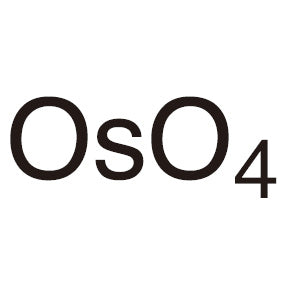
- TCI O0308 20816-12-0 Osmium Tetroxide (4% in Water)
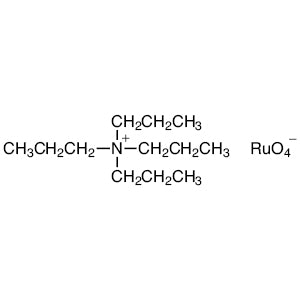
- TCI T1559 114615-82-6 Tetrapropylammonium Perruthenate
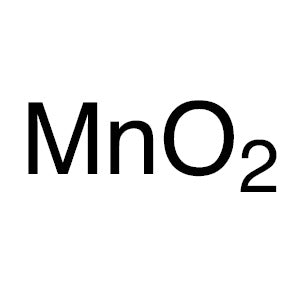
- TCI M3448 1313-13-9 Manganese(IV) Oxide
- TCI E1457 7782-49-2 Selenium (Powder)
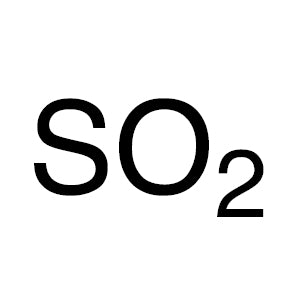
- TCI U0148 7446-09-5 Sulfur Dioxide (ca. 2.5% in Dichloromethane, ca. 0.5 mol/L)
- Riley oxidation — converts carbonyl compounds into the corresponding dicarbonyl compounds, a classical transformation for which selenium dioxide remains the textbook reagent of choice in synthetic work.
- Allylic oxidation of alkenes — transforms carbon-carbon double bonds into allylic alcohols or enones with the hydroxyl group entering at a position that the ene/sigmatropic mechanism makes predictable.
- Total synthesis of terpenoids — the positional selectivity of the allylic oxidation step allows functionalization at defined sites along complex terpenoid skeletons without recourse to protecting group detours.
- Total synthesis of steroids — provides controlled introduction of oxygen functionality onto steroid frameworks, where less selective oxidants would attack several comparably reactive positions at once.
- Catalytic oxidation with co-oxidants — used in substoichiometric amounts alongside hydrogen peroxide or tert-butyl hydroperoxide, which reduces the quantity of selenium residue carried through the reaction workup.
| Brand | TCI |
|---|---|
| CAS number | 7446-08-4 |
| Molecular formula | — |
| Purity | — |
| Category | Chemistry > Catalysis and Inorganic Chemistry > Oxidation [Catalysis] |
| Pack sizes | available in the standard TCI catalogue pack sizes; please refer to the pack size options listed on this page |
| Physical form | white crystalline solid, hygroscopic |
| Storage | keep in a tightly closed container, protected from moisture |
Because selenium dioxide is hygroscopic, it should be stored in a tightly closed container that protects the contents from atmospheric moisture, and the container should be reclosed promptly after each weighing. Keep the material in its original packaging where possible, in a dry area away from incompatible reducing agents. Handle the solid inside a fume hood using gloves, safety glasses and a laboratory coat, and avoid generating dust during transfer and weighing operations. Selenium compounds and their residues should be collected separately as chemical waste rather than discharged to the drain, and work surfaces should be cleaned after use. Consult the manufacturer's safety data sheet before first use and follow your institution's local handling procedures.
—
Produk Terkait
-
Bis(2,4-pentanedionato)molybdenum(VI)Dioxide TCI M0464
Regular price From Rp 1.378.650,00Regular priceRp 963.900,00Sale price From Rp 1.378.650,00 -
OsmiumTetroxide(4%inWater) TCI O0308
Regular price Rp 4.373.250,00Regular priceRp 3.073.350,00Sale price Rp 4.373.250,00 -
TetrapropylammoniumPerruthenate TCI T1559
Regular price From Rp 3.683.400,00Regular priceRp 2.591.400,00Sale price From Rp 3.683.400,00 -
Manganese(IV)Oxide TCI M3448
Regular price From Rp 530.250,00Regular priceRp 370.650,00Sale price From Rp 530.250,00 -
Selenium(Powder) TCI E1457
Regular price From Rp 1.326.150,00Regular priceRp 927.150,00Sale price From Rp 1.326.150,00 -
SulfurDioxide(ca.2.5%inDichloromethane,ca.0.5mol/L) TCI U0148
Regular price From Rp 1.908.900,00Regular priceRp 1.334.550,00Sale price From Rp 1.908.900,00 -
SulfurDioxide(ca8%inTetrahydrofuran,ca12mol/L) TCI U0147
Regular price From Rp 1.458.450,00Regular priceRp 1.019.550,00Sale price From Rp 1.458.450,00 -
SulfurDioxide1-MethylpyrrolidineAdduct TCI U0113
Regular price From Rp 2.147.250,00Regular priceRp 1.517.250,00Sale price From Rp 2.147.250,00