N-Formyl-L-Tyrosine is a chemical compound widely used in research applications across organic chemistry and biochemistry. It plays a crucial role in laboratory settings, particularly in the synthesis of peptides and proteins. This compound is essential for studying biochemical reactions and the biological activity of various substances. Its chemical structure allows it to participate in multiple reaction pathways, making it a versatile tool for researchers. In the laboratory, it is often used as a building block for creating biologically active compounds. Its stability under certain conditions ensures reliable results in experimental processes.
N-Formyl-L-Tyrosine is preferred due to its chemical stability and reactivity with a variety of reagents. It can be easily processed in solid form, which enhances its practicality for laboratory use. The compound's ability to form new chemical structures through reactions makes it ideal for synthetic chemistry applications. Its predictable behavior in controlled environments ensures consistency in experimental outcomes. These properties make it a valuable component in both academic and industrial research settings.
In Indonesian laboratories, N-Formyl-L-Tyrosine is commonly used in research institutions and universities. It supports a wide range of scientific investigations, including those related to molecular modifications and biochemical processes. Its availability in solid form and ease of handling make it a practical choice for researchers. The compound is frequently selected as a starting material for experiments in chemical biology and peptide chemistry. Its role in advancing scientific understanding is well recognized in the Indonesian scientific community.
- Peptide Synthesis: N-Formyl-L-Tyrosine is widely used in peptide synthesis due to its ability to participate in chemical reactions that build complex molecular structures.
- Biochemical Research: This compound is essential for studying biochemical pathways and the biological activity of various substances.
- Organic Chemistry Experiments: Its chemical stability and reactivity make it ideal for use in organic chemistry experiments involving molecular modifications.
- Protein Modification Studies: It plays a key role in the study of protein structures and modifications, supporting research in molecular biology.
- Research and Development: The compound is frequently used in R&D settings to develop new chemical compounds and biologically active materials.
| Brand | TCI |
|---|---|
| CAS number | 13200-86-7 |
| Molecular formula | — |
| Purity | — |
| Category | Chemistry > Chemical Biology > Peptide Chemistry |
| Pack sizes | Available in various quantities as per standard laboratory supply |
| Physical form | Solid |
| Storage | Store in a cool, dry place away from moisture and direct sunlight |
N-Formyl-L-Tyrosine should be stored in a cool, dry place away from moisture and direct sunlight to maintain its chemical stability. It is recommended to use airtight containers to prevent exposure to air and humidity. The compound is generally handled in a standard laboratory environment, but care should be taken to avoid contamination. Proper labeling of containers is essential for safe handling and identification. All laboratory personnel should follow standard safety protocols when working with chemical compounds to ensure a safe and controlled environment.
—
Produk Terkait
-
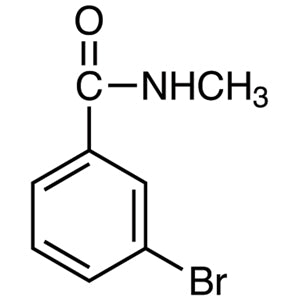
3-Bromo-N-methylbenzamide TCI B5644
Regular price From Rp 1.431.150,00Regular price -
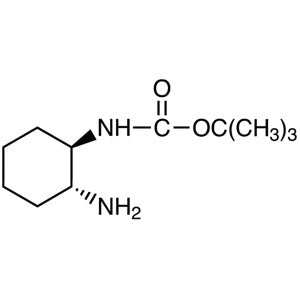
(1R,2R)-N1-(tert-Butoxycarbonyl)-1,2-cyclohexanediamine TCI B5647
Regular price Rp 3.367.350,00Regular price -
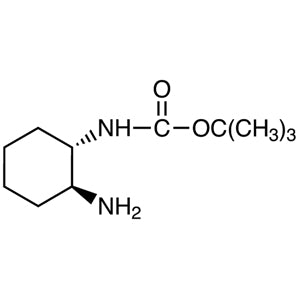
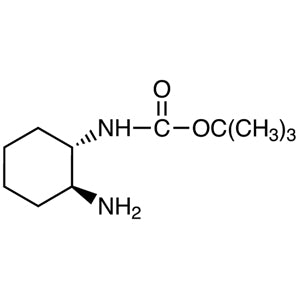
(1S,2S)-N1-(tert-Butoxycarbonyl)-1,2-cyclohexanediamine TCI B5648
Regular price From Rp 2.809.800,00Regular price -
N-Benzyl-2,2,2-trifluoroacetamide TCI B5705
Regular price From Rp 1.326.150,00Regular price -
SB-366791 TCI B5762
Regular price From Rp 5.485.200,00Regular price -
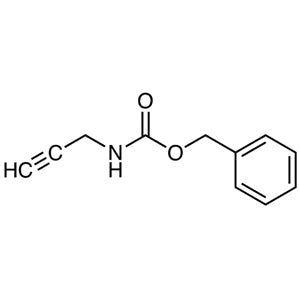
N-Carbobenzoxypropargylamine TCI B5958
Regular price Rp 4.849.950,00Regular price -
tert-Butyl(3-Oxo-3-phenylpropyl)carbamate TCI B5981
Regular price Rp 4.584.300,00Regular price -
SB297006 TCI B6053
Regular price From Rp 3.710.700,00Regular price