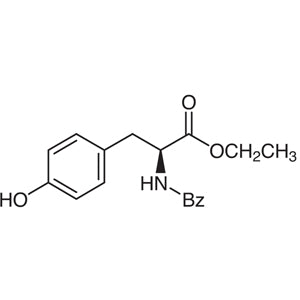
N-(tert-Butoxycarbonyl)-D-tyrosine is a chemical compound widely used in organic synthesis and peptide chemistry. It serves as a key building block in the creation of complex molecular structures, particularly in the field of biochemistry and pharmacology. This compound is essential for the synthesis of biologically active compounds, contributing to the development of pharmaceuticals and advanced research materials. In laboratory settings, it plays a crucial role in the design and production of peptides and proteins, supporting both academic and industrial research.
The compound is valued for its chemical stability and selective reactivity, making it a preferred choice for researchers. Its ability to interact with various reagents under controlled conditions ensures reliable results in synthetic processes. Additionally, its solubility in organic solvents simplifies purification and handling procedures. The complex structure of N-(tert-Butoxycarbonyl)-D-tyrosine allows for the synthesis of a wide range of structural variations, enhancing its utility in diverse chemical applications.
In Indonesian laboratories, this compound is commonly used in scientific research and pharmaceutical development. It is a vital component in studies related to chemical reaction mechanisms and drug discovery. Many research institutions and universities rely on it for experiments that require precise chemical synthesis and structural modification. Its presence in these labs underscores its importance in advancing scientific knowledge and innovation.
TCI brochures (PDF)
- Amino Acids and Peptide Synthesis Reagents 2025-08-14 · p. 13
Related TCI products
- TCI B3485 47375-34-8 N-(tert-Butoxycarbonyl)-O-tert-butyl-L-tyrosine
- TCI B1640 3978-80-1 N-(tert-Butoxycarbonyl)-L-tyrosine
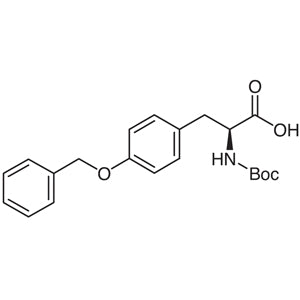
- TCI B1631 2130-96-3 N-(tert-Butoxycarbonyl)-O-benzyl-L-tyrosine
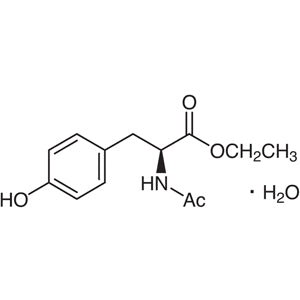
- TCI A0118 36546-50-6 N-Acetyl-L-tyrosine Ethyl Ester Monohydrate
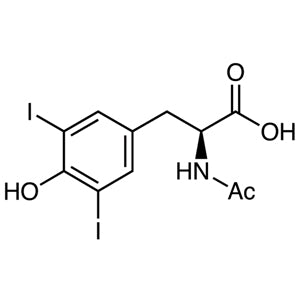
- TCI A0087 1027-28-7 N-Acetyl-3,5-diiodo-L-tyrosine
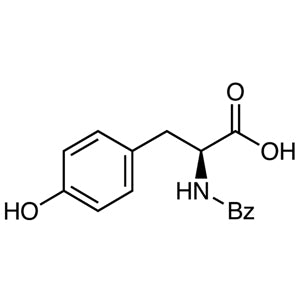
- TCI B1911 2566-23-6 N-Benzoyl-L-tyrosine
- Peptide Synthesis: This compound is ideal for synthesizing peptides due to its role as a protected amino acid derivative, enabling controlled coupling reactions in solid-phase peptide synthesis.
- Biochemical Research: It is used in biochemical studies to investigate the behavior of amino acid derivatives in enzyme reactions and protein folding processes.
- Pharmaceutical Development: Its application in drug discovery supports the creation of bioactive compounds with potential therapeutic applications.
- Organic Synthesis: The compound's stability and reactivity make it a valuable reagent in the synthesis of complex organic molecules.
- Structural Chemistry Studies: It is employed in research aimed at understanding the structural properties of amino acid derivatives and their functional groups.
| Brand | TCI |
|---|---|
| CAS number | 70642-86-3 |
| Molecular formula | — |
| Purity | — |
| Category | Chemistry > Chemical Biology > Peptide Chemistry |
| Pack sizes | Available in various quantities as per supplier specifications |
| Physical form | Solid |
| Storage | Store in a cool, dry place away from moisture and direct sunlight |
This compound should be stored in a cool, dry environment to maintain its chemical stability. It is recommended to keep it in airtight containers to prevent exposure to moisture and air, which could affect its integrity. Due to its organic nature, it is advisable to store it in a well-ventilated area away from potential sources of heat or ignition. Proper labeling of containers is essential for safe handling and to prevent cross-contamination. Laboratory personnel should always wear appropriate personal protective equipment when handling this compound to ensure safety during experiments and storage procedures.
—
Product Categories
Produk Terkait
-
N-(tert-Butoxycarbonyl)-O-tert-butyl-L-tyrosine TCI B3485
Regular price From Rp 1.087.800,00Regular priceRp 775.950,00Sale price From Rp 1.087.800,00 -
N-(tert-Butoxycarbonyl)-L-tyrosine TCI B1640
Regular price From Rp 955.500,00Regular priceRp 683.550,00Sale price From Rp 955.500,00 -
N-(tert-Butoxycarbonyl)-O-benzyl-L-tyrosine TCI B1631
Regular price From Rp 900.900,00Regular priceRp 645.750,00Sale price From Rp 900.900,00 -
N-Acetyl-L-tyrosineEthylEsterMonohydrate TCI A0118
Regular price From Rp 662.550,00Regular priceRp 478.800,00Sale price From Rp 662.550,00 -
N-Acetyl-3,5-diiodo-L-tyrosine TCI A0087
Regular price Rp 1.060.500,00Regular priceRp 757.050,00Sale price Rp 1.060.500,00 -
N-Benzoyl-L-tyrosine TCI B1911
Regular price From Rp 3.312.750,00Regular priceRp 2.332.050,00Sale price From Rp 3.312.750,00 -
N-Benzoyl-L-tyrosineEthylEster TCI B1140
Regular price Rp 557.550,00Regular priceRp 405.300,00Sale price Rp 557.550,00 -
N-Acetyl-L-tyrosine TCI A1409
Regular price Rp 1.220.100,00Regular priceRp 868.350,00Sale price Rp 1.220.100,00