N-Acetyl-L-tyrosine is a chemical compound widely used in laboratory experiments across chemical and biochemical fields. As a derivative of the amino acid L-tyrosine, it plays a key role in peptide chemistry and is commonly utilized as a building block in the synthesis of complex molecules. Its stable molecular structure makes it a valuable reagent in various biochemical and organic chemistry applications. This compound is particularly useful in research settings where controlled chemical reactions are required, such as in the study of enzyme mechanisms or protein modifications.
The chemical properties of N-Acetyl-L-tyrosine make it a preferred choice for laboratory use. It exhibits high chemical stability and is soluble in organic solvents, which simplifies its handling and integration into reaction protocols. These characteristics allow it to be used in a wide range of experimental conditions, including low pH environments or specific temperature ranges. Additionally, its resistance to degradation ensures consistency in experimental outcomes, making it a reliable material for long-term research projects.
In Indonesian laboratories, N-Acetyl-L-tyrosine is frequently used in biochemical research, pharmaceutical development, and organic chemistry studies. It is particularly relevant for academic institutions and research centers focused on drug discovery, molecular biology, and chemical synthesis. Its availability supports the advancement of scientific research in various fields, contributing to the growth of laboratory-based innovation in Indonesia.
TCI brochures (PDF)
- Amino Acids and Peptide Synthesis Reagents 2025-08-14 · p. 11
Related TCI products
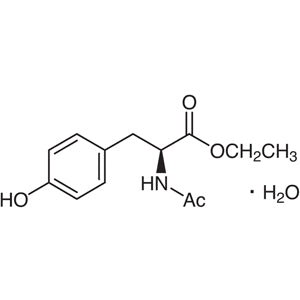
- TCI A0118 36546-50-6 N-Acetyl-L-tyrosine Ethyl Ester Monohydrate
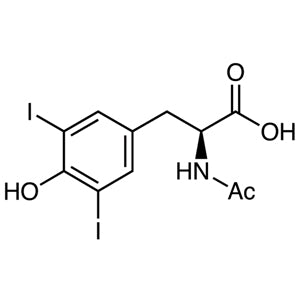
- TCI A0087 1027-28-7 N-Acetyl-3,5-diiodo-L-tyrosine
- TCI B3485 47375-34-8 N-(tert-Butoxycarbonyl)-O-tert-butyl-L-tyrosine
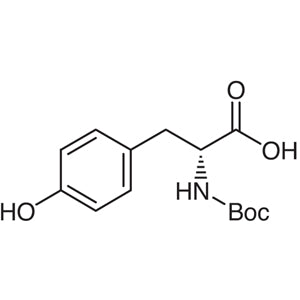
- TCI B2963 70642-86-3 N-(tert-Butoxycarbonyl)-D-tyrosine
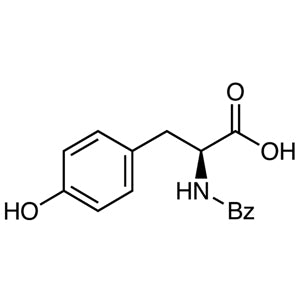
- TCI B1911 2566-23-6 N-Benzoyl-L-tyrosine
- TCI B1640 3978-80-1 N-(tert-Butoxycarbonyl)-L-tyrosine
- Biochemical Research - N-Acetyl-L-tyrosine is ideal for studying enzyme activity and substrate interactions due to its stable molecular structure and reactivity.
- Pharmaceutical Development - This compound is used in the synthesis of pharmaceutical intermediates and drug molecules, supporting the creation of new therapeutic agents.
- Organic Chemistry Experiments - Its solubility in organic solvents makes it suitable for a variety of synthetic reactions and functional group modifications.
- Protein Modification Studies - It serves as a building block for peptide synthesis, aiding in the study of protein structures and functions.
- Analytical Chemistry Applications - Its chemical stability allows it to be used in analytical procedures requiring precise and reproducible results.
| Brand | TCI |
|---|---|
| CAS number | 537-55-3 |
| Molecular formula | — |
| Purity | — |
| Category | Chemistry > Chemical Biology > Peptide Chemistry |
| Pack sizes | Available in various quantities as per supplier specifications |
| Physical form | Solid powder |
| Storage | Store in a cool, dry place away from direct sunlight |
N-Acetyl-L-tyrosine should be stored in a cool, dry environment to maintain its chemical stability and prevent degradation. It is recommended to keep the compound in a sealed container to minimize exposure to moisture and air. When handling, it is advisable to use appropriate personal protective equipment, such as gloves and safety goggles, to ensure laboratory safety. The compound is generally non-hazardous but should be handled with care in accordance with standard laboratory protocols. Proper storage conditions ensure the compound remains effective for extended periods, supporting consistent experimental results.
—
Product Categories
Produk Terkait
-
N-Acetyl-L-tyrosineEthylEsterMonohydrate TCI A0118
Regular price From Rp 662.550,00Regular priceRp 478.800,00Sale price From Rp 662.550,00 -
N-Acetyl-3,5-diiodo-L-tyrosine TCI A0087
Regular price Rp 1.060.500,00Regular priceRp 757.050,00Sale price Rp 1.060.500,00 -
N-(tert-Butoxycarbonyl)-O-tert-butyl-L-tyrosine TCI B3485
Regular price From Rp 1.087.800,00Regular priceRp 775.950,00Sale price From Rp 1.087.800,00 -
N-(tert-Butoxycarbonyl)-D-tyrosine TCI B2963
Regular price From Rp 1.696.800,00Regular priceRp 1.202.250,00Sale price From Rp 1.696.800,00 -
N-Benzoyl-L-tyrosine TCI B1911
Regular price From Rp 3.312.750,00Regular priceRp 2.332.050,00Sale price From Rp 3.312.750,00 -
N-(tert-Butoxycarbonyl)-L-tyrosine TCI B1640
Regular price From Rp 955.500,00Regular priceRp 683.550,00Sale price From Rp 955.500,00 -
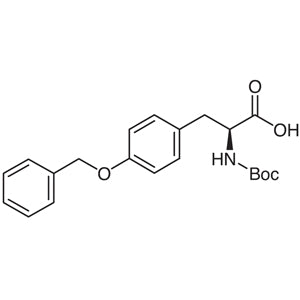
N-(tert-Butoxycarbonyl)-O-benzyl-L-tyrosine TCI B1631
Regular price From Rp 900.900,00Regular priceRp 645.750,00Sale price From Rp 900.900,00 -
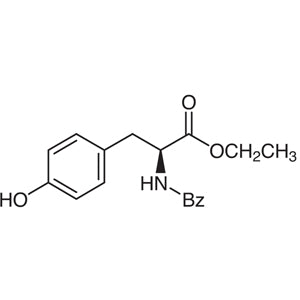
N-Benzoyl-L-tyrosineEthylEster TCI B1140
Regular price Rp 557.550,00Regular priceRp 405.300,00Sale price Rp 557.550,00