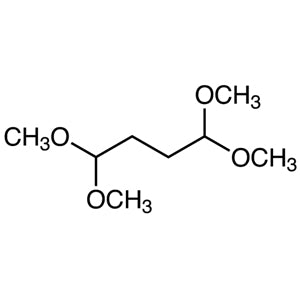
Fumaraldehyde Bis(dimethyl Acetal) is a chemical compound widely used in organic synthesis as a key building block in the laboratory. This compound plays a crucial role in the development of complex organic molecules, particularly in the formation of heterocyclic structures and other intricate chemical frameworks. Its unique chemical structure enables it to participate in various chemical reactions, making it an essential tool for researchers aiming to create new compounds with specific properties. Due to its versatility and reactivity, it is frequently employed in synthetic pathways that require a stable yet reactive substrate.
The compound is known for its chemical stability and high reactivity, which makes it a preferred choice in laboratory settings. These properties allow it to interact effectively with a wide range of reagents, facilitating the synthesis of a variety of organic compounds. Its ability to withstand certain reaction conditions ensures that it remains effective throughout the synthesis process. Additionally, its predictable behavior in different chemical environments makes it a reliable option for both academic and industrial research. These characteristics contribute to its widespread use in chemical research and development.
In Indonesian laboratories, Fumaraldehyde Bis(dimethyl Acetal) is commonly used in organic chemistry research, both in academic institutions and research centers. Its role in accelerating the synthesis of complex molecules has made it an important component in the development of new chemical compounds. The compound's reliability and effectiveness make it a valuable resource for scientists working on advanced synthetic projects. Its application in the Indonesian scientific community highlights its importance in the field of organic chemistry.
Related TCI products
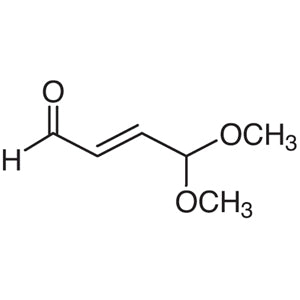
- TCI F0350 4093-49-6 Fumaraldehyde Mono(dimethyl Acetal) (stabilized with HQ)
- TCI B1901 36255-44-4 3-Bromopropionaldehyde Dimethyl Acetal
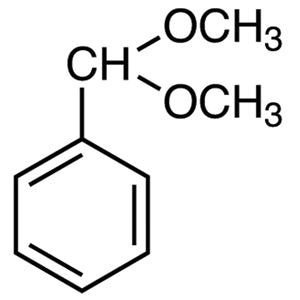
- TCI B1197 1125-88-8 Benzaldehyde Dimethyl Acetal
- TCI B1097 7252-83-7 Bromoacetaldehyde Dimethyl Acetal (stabilized with K2CO3)
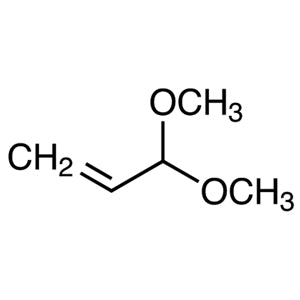
- TCI A2455 6044-68-4 Acrolein Dimethyl Acetal
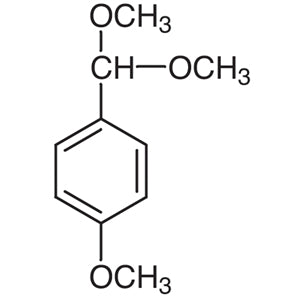
- TCI A1247 2186-92-7 p-Anisaldehyde Dimethyl Acetal
- Organic synthesis is a primary application where this compound is used to build complex molecular structures due to its reactivity and structural versatility.
- Heterocyclic compound formation benefits from this material as it provides a stable yet reactive platform for ring formation reactions.
- Intermediate production in chemical research relies on this compound for its ability to participate in multiple synthetic pathways with consistent results.
- Structural modification of organic molecules is enhanced by this compound’s capacity to undergo various chemical transformations under controlled conditions.
- Research and development in pharmaceutical chemistry utilizes this compound for the synthesis of compounds with specific functional groups and molecular frameworks.
| Brand | TCI |
|---|---|
| CAS number | 6068-62-8 |
| Molecular formula | — |
| Purity | — |
| Category | Chemistry > Building Blocks > Non-Heterocyclic Building Blocks |
| Pack sizes | Available in standard laboratory quantities |
| Physical form | Solid or liquid, depending on the specific product variant |
| Storage | Store in a cool, dry place away from direct sunlight and moisture |
This compound should be stored in a cool, dry environment, away from direct sunlight and moisture to maintain its chemical stability. It is recommended to use airtight containers made of materials that are chemically inert to prevent any unwanted reactions. Due to its reactivity, it should be handled with appropriate laboratory safety measures, including the use of personal protective equipment. Proper ventilation is essential when working with this compound to minimize exposure. Storage conditions should be consistent to ensure the compound remains effective for its intended applications. Regular inspection of storage containers is advised to ensure they remain intact and secure.
—
Produk Terkait
-
FumaraldehydeMono(dimethylAcetal)(stabilizedwithHQ) TCI F0350
Regular price From Rp 6.281.100,00Regular price -
3-BromopropionaldehydeDimethylAcetal TCI B1901
Regular price From Rp 2.359.350,00Regular price -
BenzaldehydeDimethylAcetal TCI B1197
Regular price From Rp 477.750,00Regular price -
BromoacetaldehydeDimethylAcetal(stabilizedwithK2CO3) TCI B1097
Regular price From Rp 1.298.850,00Regular price -
AcroleinDimethylAcetal TCI A2455
Regular price From Rp 2.757.300,00Regular price -
p-AnisaldehydeDimethylAcetal TCI A1247
Regular price From Rp 1.803.900,00Regular price -
AminoacetaldehydeDimethylAcetal TCI A0801
Regular price Rp 1.538.250,00Regular price -
SuccinaldehydeBis(dimethylAcetal) TCI S0371
Regular price From Rp 2.439.150,00Regular price