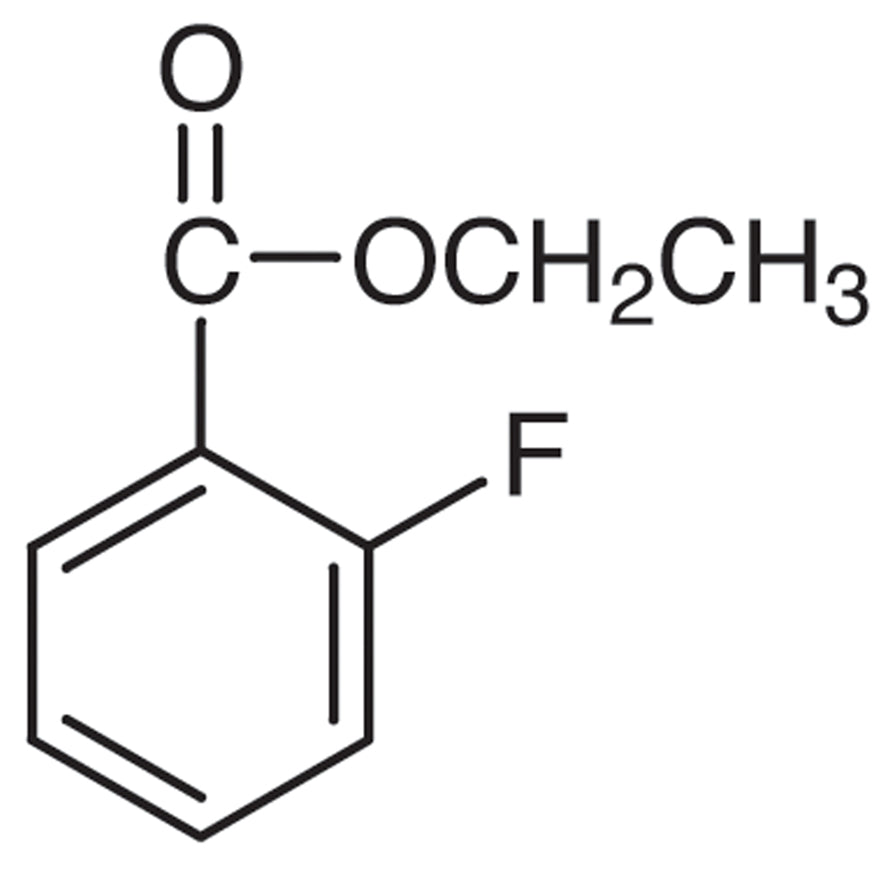
Ethyl 2-Fluorobenzoate is a chemical compound widely used in laboratory settings as a building block for various organic reactions. It plays a crucial role in the synthesis of aromatic compounds and fluorinated derivatives, making it an essential reagent for chemists working in research and development. Its unique molecular structure, featuring a fluorine atom on the benzene ring and an ethyl group on the carbon chain, allows it to participate in a range of chemical transformations. This compound is particularly valuable in the creation of pharmaceuticals and industrial chemicals due to its reactivity and chemical versatility.
The compound’s chemical properties make it a preferred choice in laboratory applications. It exhibits stability under controlled conditions, yet remains reactive in specific chemical environments, enabling it to be used in a variety of synthetic pathways. Its mild reactivity allows for controlled reactions, which is essential in the development of new compounds. Additionally, Ethyl 2-Fluorobenzoate has a low volatility and a mild odor, making it suitable for use in many laboratory environments. These characteristics contribute to its reliability and effectiveness in chemical synthesis.
In Indonesian laboratories, Ethyl 2-Fluorobenzoate is commonly used by chemists, pharmaceutical researchers, and educational institutions. It supports both academic research and industrial applications, including drug development and material synthesis. Its availability and chemical properties make it a key component in the chemical supply chain for scientific innovation in Indonesia.
TCI brochures (PDF)
- Fluorination Reagents, Fluorinated Building Blocks 2026-03-18 · p. 11
Related TCI products
- TCI T2094 122894-73-9 Ethyl 2,3,4,5-Tetrafluorobenzoate
- TCI P1419 4522-93-4 Ethyl Pentafluorobenzoate
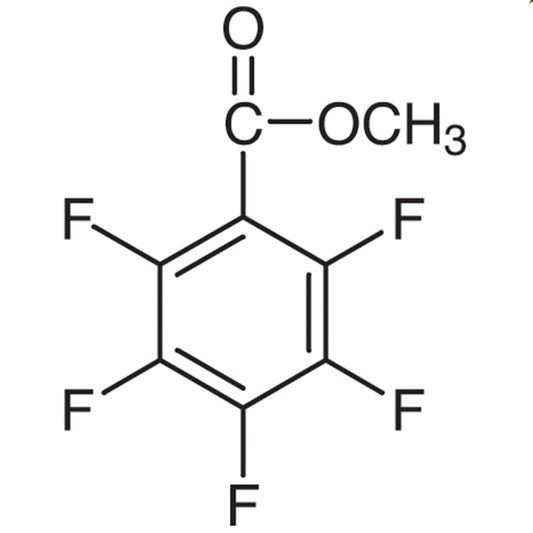
- TCI P1418 36629-42-2 Methyl Pentafluorobenzoate
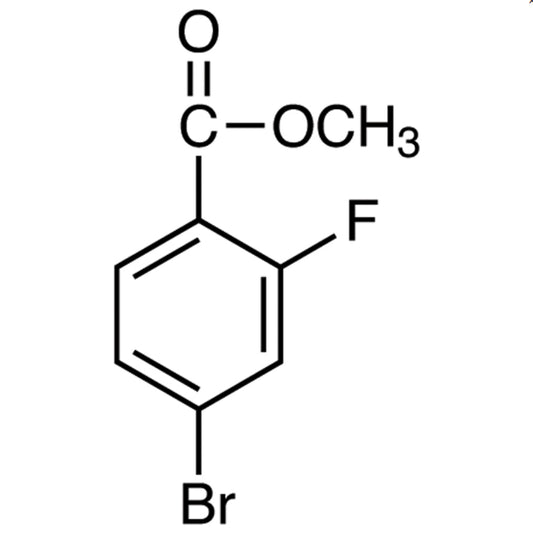
- TCI M3229 179232-29-2 Methyl 4-Bromo-2-fluorobenzoate
- TCI M3115 2965-22-2 Methyl 2-Fluoro-5-nitrobenzoate
- TCI M3102 85953-29-3 Methyl 2-Chloro-4-fluorobenzoate
- Used in pharmaceutical research for the synthesis of fluorinated compounds due to its reactivity and structural versatility.
- Applied in organic chemistry for the development of new materials and functional compounds through fluorination reactions.
- Utilized in academic research settings for teaching and experimental purposes in chemical synthesis and reaction mechanisms.
- Employed in industrial chemical production for the creation of specialized compounds used in various sectors such as agriculture and manufacturing.
- Integrated into drug development processes to produce compounds with enhanced pharmacological properties and bioavailability.
| Brand | TCI |
|---|---|
| CAS number | 443-26-5 |
| Molecular formula | — |
| Purity | — |
| Category | Chemistry > Building Blocks > Fluorinated Building Blocks |
| Pack sizes | Available in various quantities as per supplier specifications |
| Physical form | Solid or liquid depending on storage conditions |
| Storage | Store in a cool, dry place away from direct sunlight and incompatible materials |
Ethyl 2-Fluorobenzoate should be stored in a cool, dry environment to maintain its chemical stability. It is recommended to keep the compound in a sealed container to prevent exposure to moisture and air. Due to its reactivity, it should be stored away from strong oxidizing agents and incompatible substances. The container should be made of a material that does not react with the compound, such as glass or high-density polyethylene. In laboratory settings, it is important to handle the compound with appropriate personal protective equipment, including gloves and safety goggles, to ensure safe usage and minimize potential risks.
—
Produk Terkait
-
Ethyl2,3,4,5-Tetrafluorobenzoate TCI T2094
Regular price From Rp 903.000,00Regular price -
EthylPentafluorobenzoate TCI P1419
Regular price From Rp 1.035.300,00Regular price -
MethylPentafluorobenzoate TCI P1418
Regular price From Rp 928.200,00Regular price -
Methyl4-Bromo-2-fluorobenzoate TCI M3229
Regular price From Rp 1.510.950,00Regular price -
Methyl2-Fluoro-5-nitrobenzoate TCI M3115
Regular price Rp 1.803.900,00Regular price -
Methyl2-Chloro-4-fluorobenzoate TCI M3102
Regular price From Rp 955.500,00Regular price -
Methyl2-Bromo-5-fluorobenzoate TCI M3101
Regular price From Rp 2.411.850,00Regular price -
Methyl4-Bromo-3-fluorobenzoate TCI M3083
Regular price From Rp 2.411.850,00Regular price