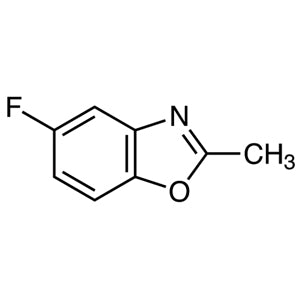
5-Fluoro-2-methylbenzoxazole is a chemical compound widely used as a building block in the synthesis of complex molecules. It plays a crucial role in organic chemistry laboratories, where it serves as a versatile intermediate for creating more intricate chemical structures. This compound is particularly valuable for its ability to participate in various chemical reactions, making it an essential tool for researchers aiming to develop new compounds or modify existing ones. Its unique molecular structure, featuring both a fluorine atom and a methyl group, contributes to its reactivity and functional versatility in synthetic processes.
The compound is preferred due to its stable molecular structure, which allows it to remain effective across a range of reaction conditions without degrading easily. Its solubility in organic solvents simplifies handling and purification processes, making it a practical choice for laboratory use. Additionally, the presence of the fluorine group enhances its reactivity in substitution and nucleophilic reactions, offering researchers greater control over synthetic pathways. These properties make it a reliable and efficient reagent for a variety of chemical applications.
In Indonesian laboratories, 5-Fluoro-2-methylbenzoxazole is commonly used in research related to organic chemistry, pharmaceutical development, and material science. It is a key component in the synthesis of novel compounds and is frequently utilized by academic institutions and research centers in Indonesia. Its availability and chemical properties support ongoing scientific investigations and innovation in these fields.
TCI brochures (PDF)
- Fluorination Reagents, Fluorinated Building Blocks 2026-03-18 · p. 49
Related TCI products
- TCI B4810 168828-81-7 Benzyl (3-Fluoro-4-morpholinophenyl)carbamate
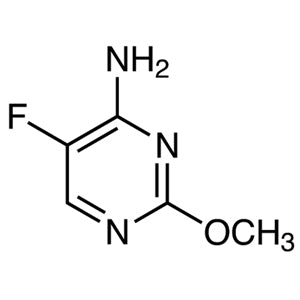
- TCI A2125 1993-63-1 4-Amino-5-fluoro-2-methoxypyrimidine
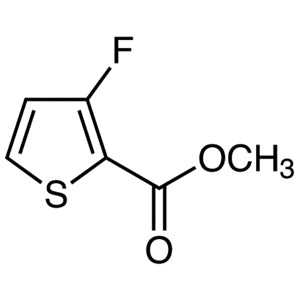
- TCI M2295 100421-52-1 Methyl 3-Fluoro-2-thiophenecarboxylate
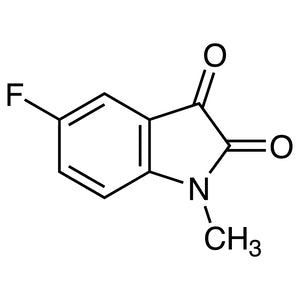
- TCI F1390 773-91-1 5-Fluoro-1-methylindoline-2,3-dione
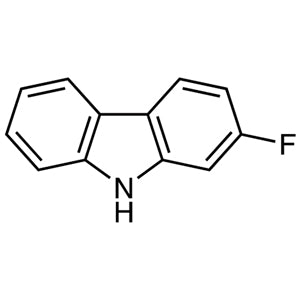
- TCI F1182 391-53-7 2-Fluoro-9H-carbazole
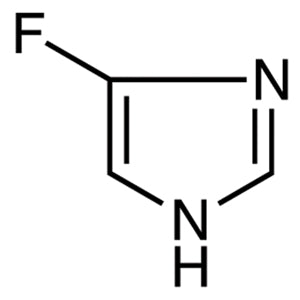
- TCI F1157 30086-17-0 4-Fluoro-1H-imidazole
- Organic synthesis applications benefit from this compound's reactivity and versatility in creating complex molecular structures.
- Pharmaceutical research utilizes its fluorinated group for designing new drug molecules with enhanced biological activity.
- Material science experiments leverage its stability and solubility for developing advanced chemical materials.
- Analytical chemistry processes use it as a reference standard for identifying and quantifying similar compounds.
- Academic research in Indonesian universities incorporates it as a foundational reagent for teaching and experimental studies.
| Brand | TCI |
|---|---|
| CAS number | 701-16-6 |
| Molecular formula | — |
| Purity | — |
| Category | Chemistry > Building Blocks > Fluorinated Building Blocks |
| Pack sizes | Available in standard laboratory quantities |
| Physical form | Solid or crystalline, depending on supplier |
| Storage | Store in a cool, dry place away from light and moisture |
This compound should be stored in a cool, dry environment, away from direct sunlight and moisture to maintain its chemical integrity. It is recommended to use airtight containers to prevent exposure to air and humidity, which could affect its stability. As a fluorinated compound, it should be handled with care, following standard laboratory safety protocols. Proper ventilation is essential when working with it, and personal protective equipment such as gloves and goggles should be worn to ensure safe handling. Its reactivity in certain conditions means it should be stored separately from incompatible substances to avoid potential chemical interactions.
—
Produk Terkait
-
Benzyl(3-Fluoro-4-morpholinophenyl)carbamate TCI B4810
Regular price From Rp 664.650,00Regular price -
4-Amino-5-fluoro-2-methoxypyrimidine TCI A2125
Regular price Rp 2.491.650,00Regular price -
Methyl3-Fluoro-2-thiophenecarboxylate TCI M2295
Regular price Rp 2.068.500,00Regular price -
5-Fluoro-1-methylindoline-2,3-dione TCI F1390
Regular price From Rp 1.724.100,00Regular price -
2-Fluoro-9H-carbazole TCI F1182
Regular price From Rp 1.378.650,00Regular price -
4-Fluoro-1H-imidazole TCI F1157
Regular price Rp 10.838.100,00Regular price -
7-Fluoro-6-nitroquinazolin-4(1H)-one TCI F1091
Regular price Rp 1.140.300,00Regular price -
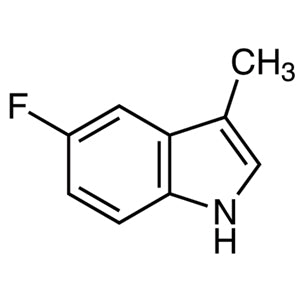
5-Fluoro-3-methylindole TCI F1053
Regular price From Rp 1.220.100,00Regular price