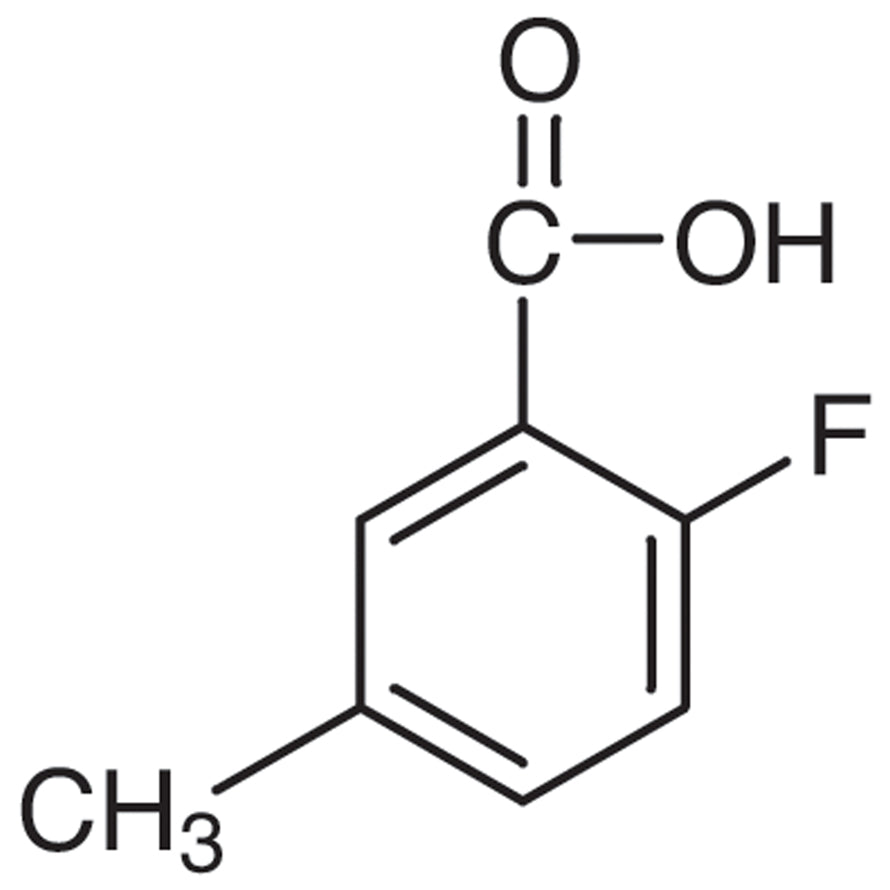
2-Fluoro-5-methylbenzoic Acid is a chemical compound widely used as a building block in the synthesis of complex organic molecules. It plays a crucial role in laboratory settings where researchers aim to develop new compounds, including pharmaceuticals, industrial chemicals, and functional materials. This compound is particularly valuable for its ability to participate in various chemical reactions, making it an essential tool for chemists working on advanced synthetic pathways. Its presence in laboratory workflows is vital for the creation of structurally diverse compounds with specific functional groups.
The compound is known for its stable molecular structure and high reactivity, which allows it to undergo a range of chemical transformations such as esterification, hydrolysis, and substitution reactions. These properties make it a preferred choice for synthetic chemists seeking to introduce fluorine and methyl groups into aromatic frameworks. Its versatility in forming various functional groups also enhances its applicability in the development of new chemical entities. The compound’s ability to interact with multiple functional groups further expands its utility in complex synthesis processes.
In Indonesian laboratories, 2-Fluoro-5-methylbenzoic Acid is extensively used in chemical research, particularly in academic and research institutions. It is commonly found in projects related to pharmacology, chemical materials, and environmental chemistry. Its role in the synthesis of drug compounds and industrial materials makes it a key component in the chemical research landscape of Indonesia. Researchers rely on this compound for its reliability and effectiveness in achieving desired chemical outcomes.
TCI brochures (PDF)
- Fluorination Reagents, Fluorinated Building Blocks 2026-03-18 · p. 19
Related TCI products
- Drug synthesis with fluorinated and methylated structures due to its ability to introduce fluorine and methyl groups into aromatic frameworks.
- Development of industrial chemicals through its participation in esterification and substitution reactions.
- Functional material creation by enabling the formation of diverse functional groups in complex molecules.
- Environmental chemistry research for the synthesis of compounds used in pollution control and remediation.
- Pharmaceutical compound design as a building block for the development of new therapeutic agents.
| Brand | TCI |
|---|---|
| CAS number | 321-12-0 |
| Molecular formula | — |
| Purity | — |
| Category | Chemistry > Building Blocks > Fluorinated Building Blocks |
| Pack sizes | — |
| Physical form | — |
| Storage | Store in a cool, dry place away from moisture and direct sunlight. |
This compound should be stored in a cool, dry place, away from moisture and direct sunlight to maintain its stability and reactivity. It is recommended to use airtight containers to prevent exposure to air and potential degradation. Laboratory personnel should handle the compound with care, using appropriate personal protective equipment such as gloves and safety goggles. Due to its chemical nature, it should be kept in a well-ventilated area to minimize inhalation risks. Proper labeling of storage containers is essential to ensure safe handling and prevent accidental exposure. Regular monitoring of storage conditions is advised to maintain the compound’s integrity and ensure safe usage in laboratory settings.
—
Produk Terkait
-
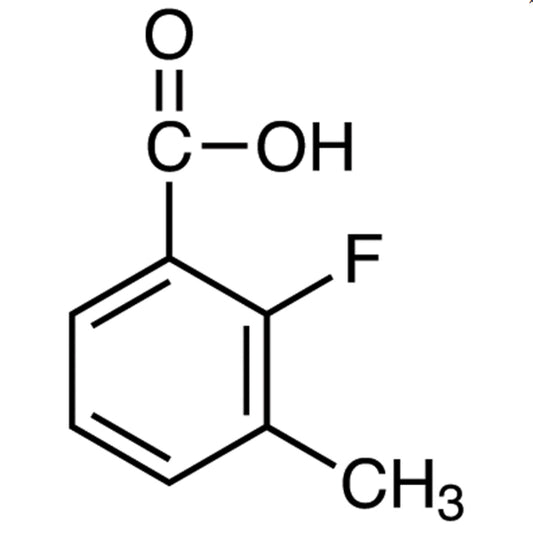
2-Fluoro-3-methylbenzoicAcid TCI F0949
Regular price From Rp 1.220.100,00Regular price -
5-Fluoro-2-methylbenzoicAcid TCI F0844
Regular price From Rp 1.167.600,00Regular price -
2-Fluoro-4-methylbenzoicAcid TCI F0813
Regular price From Rp 928.200,00Regular price -
4-Fluoro-3-methylbenzoicAcid TCI F0560
Regular price Rp 1.378.650,00Regular price -
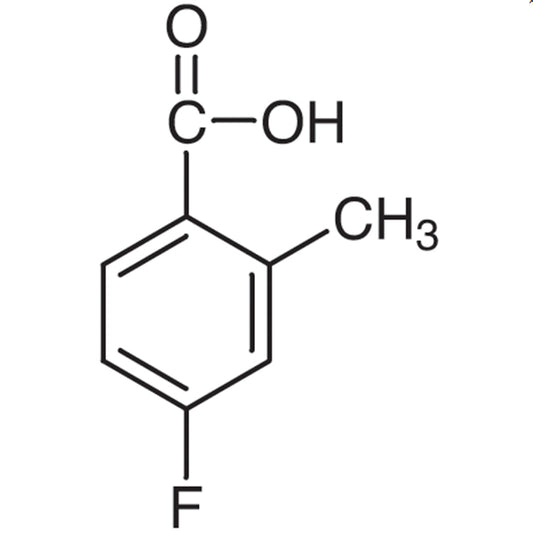
4-Fluoro-2-methylbenzoicAcid TCI F0559
Regular price From Rp 1.670.550,00Regular price -
3-Fluoro-4-methylbenzoicAcid TCI F0552
Regular price From Rp 1.458.450,00Regular price -
2,3,5,6-Tetrafluoro-4-methylbenzoicAcid TCI T2323
Regular price Rp 1.803.900,00Regular price -
2-Bromo-4'-fluoro-3'-(trifluoromethyl)acetophenone TCI B5213
Regular price From Rp 505.050,00Regular price