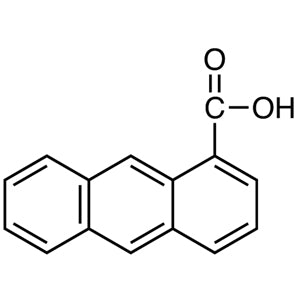
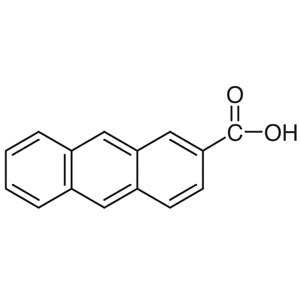
1-Fluorenecarboxylic Acid is a chemical compound widely used as a foundational building block in organic synthesis. It plays a crucial role in laboratories by enabling the creation of complex organic molecules through various chemical reactions. Its versatility makes it an essential component in the development of new compounds, including pharmaceuticals, industrial chemicals, and organic reagents. This compound is particularly valued for its ability to participate in reactions that involve carbon-carbon bond formation or functional group substitution.
The compound's stable molecular structure and controlled reactivity make it a preferred choice for chemists. Its chemical and physical properties allow it to be used in substitution reactions, esterification, and other processes that require molecular stability. The moderate reactivity of 1-Fluorenecarboxylic Acid also facilitates the separation and isolation of final products, making it an efficient material for laboratory use. These characteristics contribute to its widespread application in both academic and research settings.
In Indonesian laboratories, 1-Fluorenecarboxylic Acid is commonly used in organic chemistry research. It is a key reagent in the development of new compounds that meet both local and international needs. Institutions such as universities and research centers rely on this compound for advancing chemical knowledge and innovation. Its availability and reliability make it a staple in the chemical supply chain within the country.
TCI brochures (PDF)
- Fluorenes and Fluorenones 2026-04-15 · p. 2
- Organic synthesis is a key application where 1-Fluorenecarboxylic Acid serves as a versatile building block for creating complex molecules.
- Functional group modification benefits from this compound's ability to undergo substitution reactions, making it ideal for structural changes.
- Esterification processes utilize its stability and reactivity to form ester derivatives efficiently.
- Pharmaceutical research relies on its role in developing new drug compounds through controlled chemical transformations.
- Industrial chemical production uses it as a precursor for synthesizing various organic compounds with specific properties.
| Brand | TCI |
|---|---|
| CAS number | 6276-03-5 |
| Molecular formula | — |
| Purity | — |
| Category | Chemistry > Building Blocks > Non-Heterocyclic Building Blocks |
| Pack sizes | Available in various quantities as per standard laboratory supply |
| Physical form | Solid |
| Storage | Store in a cool, dry place away from direct sunlight |
1-Fluorenecarboxylic Acid should be stored in a cool, dry place, away from direct sunlight and sources of heat. It is recommended to use airtight containers to prevent moisture absorption and contamination. Due to its chemical nature, it should be handled in a well-ventilated area to minimize exposure. Avoid contact with skin and eyes, and use appropriate personal protective equipment such as gloves and safety goggles. Proper labeling of containers is essential for safe handling and storage. Regular inspection of storage conditions ensures the compound remains in optimal condition for laboratory use.
—
Produk Terkait
-
9-FluorenecarboxylicAcid TCI F0022
Regular price From Rp 1.033.200,00Regular priceRp 738.150,00Sale price From Rp 1.033.200,00 -
2-Fluorenecarboxaldehyde TCI F0333
Regular price Rp 3.021.900,00Regular priceRp 2.112.600,00Sale price Rp 3.021.900,00 -
1-Pyrenecarboxaldehyde TCI P1448
Regular price From Rp 557.550,00Regular priceRp 389.550,00Sale price From Rp 557.550,00 -
2-Acetamidofluorene TCI A0076
Regular price From Rp 3.419.850,00Regular priceRp 2.406.600,00Sale price From Rp 3.419.850,00 -
2-Acetyl-7-bromofluorene TCI A3061
Regular price Rp 3.180.450,00Regular priceRp 2.239.650,00Sale price Rp 3.180.450,00 -
1-AnthracenecarboxylicAcid TCI A1220
Regular price Rp 7.737.450,00Regular priceRp 5.426.400,00Sale price Rp 7.737.450,00 -
2-AnthracenecarboxylicAcid TCI A1150
Regular price From Rp 5.062.050,00Regular priceRp 3.555.300,00Sale price From Rp 5.062.050,00 -
2-Acetylfluorene TCI A1069
Regular price From Rp 689.850,00Regular priceRp 481.950,00Sale price From Rp 689.850,00