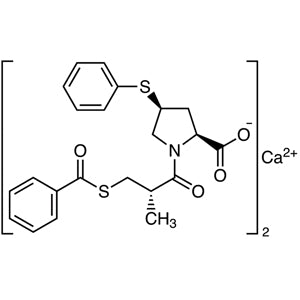
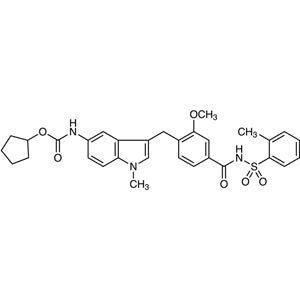
Fluvastatin Sodium Salt (TCI F0820) is a chemical compound widely used in biochemical and pharmacological experiments. As a sodium salt of fluvastatin, it functions as an HMG-CoA reductase inhibitor, making it essential for studying cholesterol metabolism and lipid regulation. This compound is commonly employed in laboratory settings for its ability to modulate enzymatic activity and serve as a reagent in various biochemical assays. Its versatility allows it to be used both as a starting material for synthetic reactions and as a test substance in enzyme activity studies.
The chemical properties of Fluvastatin Sodium Salt make it a preferred choice in laboratory research. It exhibits high reactivity and stability, enabling it to participate in both enzymatic and non-enzymatic reactions. Its solubility in organic solvents such as ethyl acetate and acetone enhances its applicability in a wide range of chemical processes and purification techniques. These characteristics ensure consistent performance and reliability in experimental setups, making it a valuable tool for researchers.
In Indonesian laboratories, Fluvastatin Sodium Salt is commonly used in studies related to cardiovascular diseases and metabolic disorders. Its role in investigating the pharmacological effects and toxicity of compounds makes it an important component in drug development and biochemistry research. Researchers in Indonesia rely on this compound for its stability, reactivity, and compatibility with various experimental protocols.
TCI brochures (PDF)
- HMG-CoA Reductase Inhibitors Statins(PP003E)202609 2026-09-10 · p. 1
- Pharmaceutical Ingredients for Research and Experimental Use 2026-03-09 · p. 22
- Cholesterol Metabolism Studies – Fluvastatin Sodium Salt is ideal for investigating the effects of HMG-CoA reductase inhibitors on lipid metabolism and cholesterol synthesis.
- Enzyme Inhibition Research – Its ability to inhibit specific enzymes makes it suitable for studying enzyme kinetics and substrate interactions in biochemical assays.
- Drug Development and Toxicity Testing – It is used to evaluate the pharmacological effects and potential toxicity of compounds in preclinical research.
- Synthetic Chemistry Applications – The compound’s solubility and reactivity make it a useful reagent for the synthesis of other organic compounds.
- Biochemical Assay Reagents – It serves as a standard reagent in assays that require precise control of enzymatic activity and metabolic pathways.
| Brand | TCI |
|---|---|
| CAS number | 93957-55-2 |
| Molecular formula | — |
| Purity | — |
| Category | Life Science > Biochemicals and Reagents > Enzymes, Enzyme Inhibitors, Enzyme Substrates |
| Pack sizes | Available in various quantities as per supplier specifications |
| Physical form | Solid powder |
| Storage | Store in a cool, dry place away from direct sunlight |
Fluvastatin Sodium Salt should be stored in a cool, dry environment to maintain its chemical stability and prevent degradation. It is recommended to keep the compound in a tightly sealed container to minimize exposure to moisture and air. Due to its reactivity, it should be handled with care using appropriate personal protective equipment, such as gloves and safety goggles. Avoid contact with incompatible substances to ensure safe handling. Proper labeling of storage containers is essential for safe laboratory practices. Regular monitoring of storage conditions ensures the compound remains suitable for use in research applications.
—
Product Categories
- Biochemicals and ReagentsEnzymes, Enzyme Inhibitors, Enzyme SubstratesEnzyme Inhibitors [Biochemicals and Reagents]
- Biochemicals and ReagentsPharmaceutical Research Reagents (for Experimental Use)Antilipemic Ingredients (for Research and Experimental Use)
- Pharmaceutical Development and Drug Discovery ResearchPharmaceutical Research Reagents (for Experimental Use)Antilipemic Ingredients (for Research and Experimental Use)
Produk Terkait
-
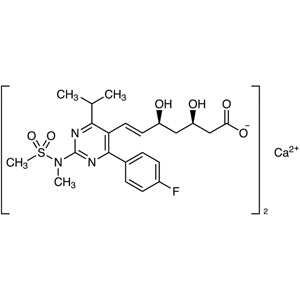
RosuvastatinCalcium TCI R0180
Regular price Rp 4.133.850,00Regular price -
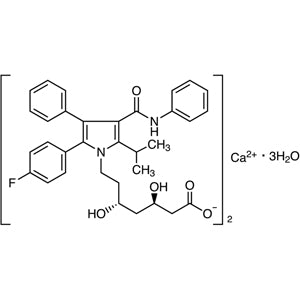
AtorvastatinCalciumSaltTrihydrate TCI A2476
Regular price From Rp 2.809.800,00Regular price -
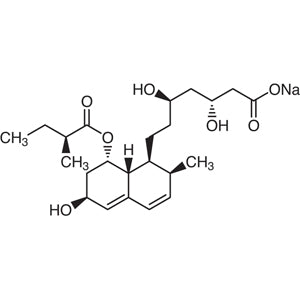
PravastatinSodium TCI P1796
Regular price From Rp 4.771.200,00Regular price -
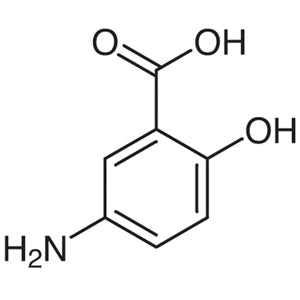
5-AminosalicylicAcid TCI A0317
Regular price From Rp 955.500,00Regular price -
ImidaprilHydrochloride TCI I0901
Regular price From Rp 4.108.650,00Regular price -
Imatinib TCI I0906
Regular price From Rp 1.326.150,00Regular price -
ZofenoprilCalcium TCI Z0041
Regular price From Rp 2.837.100,00Regular price -
Zafirlukast TCI Z0029
Regular price Rp 5.141.850,00Regular price