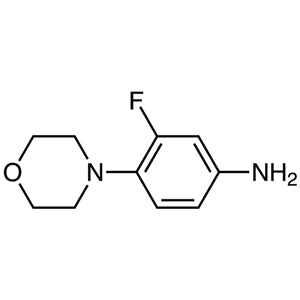
3-Fluoro-4-morpholinoaniline is a chemical compound widely used in synthetic reactions to construct complex molecules. It plays a crucial role in laboratory settings where the development of new compounds is essential. This compound is particularly valued for its versatility in reacting with various functional groups, making it a key player in organic chemistry. Its unique structure allows for modifications that can lead to the creation of compounds with specific properties, such as enhanced solubility or bioactivity.
The compound’s high reactivity is attributed to the presence of both fluorine and morpholine groups. The fluorine group increases polarity and influences molecular interactions, while the morpholine group provides stability and the ability to form hydrogen bonds. These properties make it a preferred choice for chemists looking to design and synthesize new molecules with tailored functionalities. Its chemical stability under controlled laboratory conditions further enhances its reliability in synthetic processes.
In Indonesian laboratories, 3-Fluoro-4-morpholinoaniline is commonly used in pharmaceutical and chemical research. It serves as a building block for the synthesis of bioactive compounds, including pharmaceuticals and diagnostic agents. Its application is particularly relevant in the development of new drugs and chemical intermediates, supporting innovation in both academic and industrial research settings.
TCI brochures (PDF)
- Fluorination Reagents, Fluorinated Building Blocks 2026-03-18 · p. 23
Related TCI products
- TCI B4810 168828-81-7 Benzyl (3-Fluoro-4-morpholinophenyl)carbamate
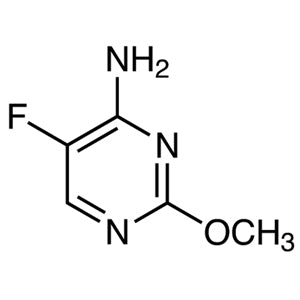
- TCI A2125 1993-63-1 4-Amino-5-fluoro-2-methoxypyrimidine
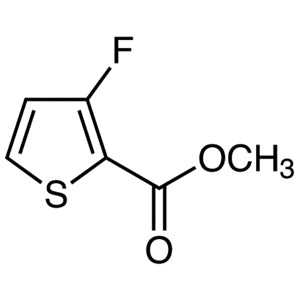
- TCI M2295 100421-52-1 Methyl 3-Fluoro-2-thiophenecarboxylate
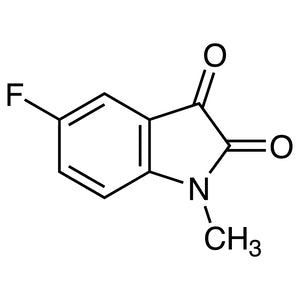
- TCI F1390 773-91-1 5-Fluoro-1-methylindoline-2,3-dione
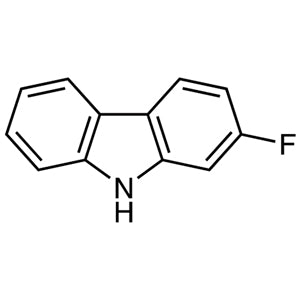
- TCI F1182 391-53-7 2-Fluoro-9H-carbazole
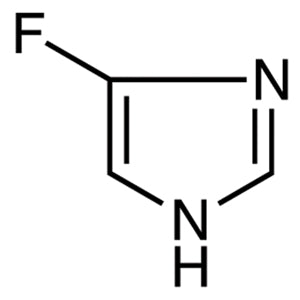
- TCI F1157 30086-17-0 4-Fluoro-1H-imidazole
- Pharmaceutical research utilizes 3-Fluoro-4-morpholinoaniline for the synthesis of bioactive compounds due to its reactivity and structural versatility.
- Organic synthesis benefits from this compound’s ability to participate in substitution and cross-coupling reactions, enabling the creation of complex molecular structures.
- Diagnostic agent development leverages its functional groups to design molecules with specific molecular interactions and solubility properties.
- Chemical intermediate production relies on its stability and reactivity to create compounds with desired biological and chemical properties.
- Academic research employs it as a building block for exploring new synthetic pathways and molecular modifications in chemical studies.
| Brand | TCI |
|---|---|
| CAS number | 93246-53-8 |
| Molecular formula | — |
| Purity | — |
| Category | Chemistry > Building Blocks > Fluorinated Building Blocks |
| Pack sizes | Available in standard laboratory quantities |
| Physical form | Solid or liquid, depending on supplier packaging |
| Storage | Store in a cool, dry, and well-ventilated area away from moisture and direct sunlight |
This compound should be stored in a cool, dry, and well-ventilated area to maintain its chemical stability. It is recommended to use airtight containers to prevent moisture exposure, which could affect its reactivity. Proper labeling of storage containers is essential to ensure safe handling and prevent accidental contamination. Laboratory personnel should wear appropriate personal protective equipment, including gloves and safety goggles, when handling this material. Due to its reactivity, it should be kept away from incompatible substances such as strong oxidizers. Regular inspection of storage conditions is advised to ensure compliance with safety standards and to maintain the integrity of the compound.
—
Produk Terkait
-
Benzyl(3-Fluoro-4-morpholinophenyl)carbamate TCI B4810
Regular price From Rp 664.650,00Regular price -
4-Amino-5-fluoro-2-methoxypyrimidine TCI A2125
Regular price Rp 2.491.650,00Regular price -
Methyl3-Fluoro-2-thiophenecarboxylate TCI M2295
Regular price Rp 2.068.500,00Regular price -
5-Fluoro-1-methylindoline-2,3-dione TCI F1390
Regular price From Rp 1.724.100,00Regular price -
2-Fluoro-9H-carbazole TCI F1182
Regular price From Rp 1.378.650,00Regular price -
4-Fluoro-1H-imidazole TCI F1157
Regular price Rp 10.838.100,00Regular price -
7-Fluoro-6-nitroquinazolin-4(1H)-one TCI F1091
Regular price Rp 1.140.300,00Regular price -
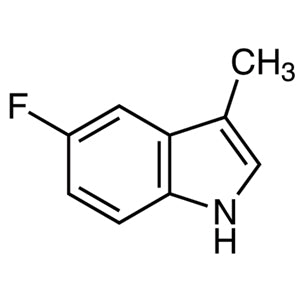
5-Fluoro-3-methylindole TCI F1053
Regular price From Rp 1.220.100,00Regular price