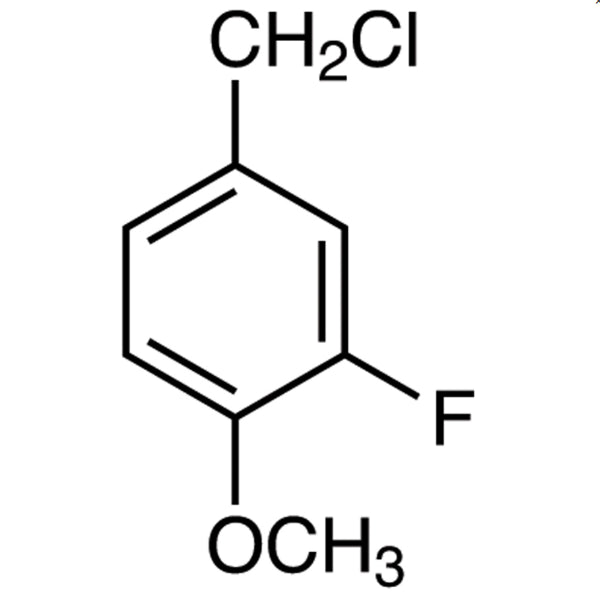
3-Fluoro-4-methoxybenzyl Chloride is a chemical compound widely utilized in laboratory settings as a foundational building block for the synthesis of complex organic molecules. This compound plays a crucial role in organic chemistry by enabling the creation of various functional groups and molecular structures. Its presence in the chemical inventory of research institutions supports the development of new compounds with tailored properties for diverse applications. Due to its versatility and reactivity, it is an essential component in the toolkit of chemists working on advanced synthetic pathways.
The compound's unique combination of a fluorine atom and a methoxy group contributes to its reactivity and functional versatility. These groups allow for selective chemical modifications and make it suitable for a range of synthetic reactions, including substitution, condensation, and other functional group transformations. Its stability under controlled conditions ensures that it remains effective throughout the synthesis process without undergoing premature degradation. This makes it a reliable and efficient reagent for laboratory use.
In Indonesian laboratories, 3-Fluoro-4-methoxybenzyl Chloride is commonly used by researchers and academic institutions for the development of new compounds in pharmaceutical, material science, and organic chemistry fields. Its availability through AMI Scientific ensures that local scientists and students have access to high-quality chemical reagents for their experimental needs. The compound's role in advancing research and innovation is well recognized in the scientific community.
TCI brochures (PDF)
- Fluorination Reagents, Fluorinated Building Blocks 2026-03-18 · p. 23
Related TCI products
- TCI F1127 1682-10-6 4-Fluoro-3-(trifluoromethyl)benzenesulfonyl Chloride
- TCI F1124 176225-09-5 4-Fluoro-2-(trifluoromethyl)benzenesulfonyl Chloride
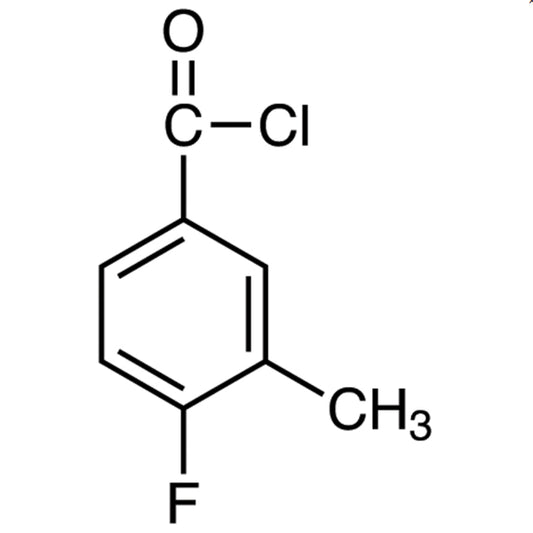
- TCI F1116 455-84-5 4-Fluoro-3-methylbenzoyl Chloride
- TCI F0767 171243-30-4 3-Fluoro-5-(trifluoromethyl)benzoyl Chloride
- TCI F0764 207981-46-2 2-Fluoro-5-(trifluoromethyl)benzoyl Chloride
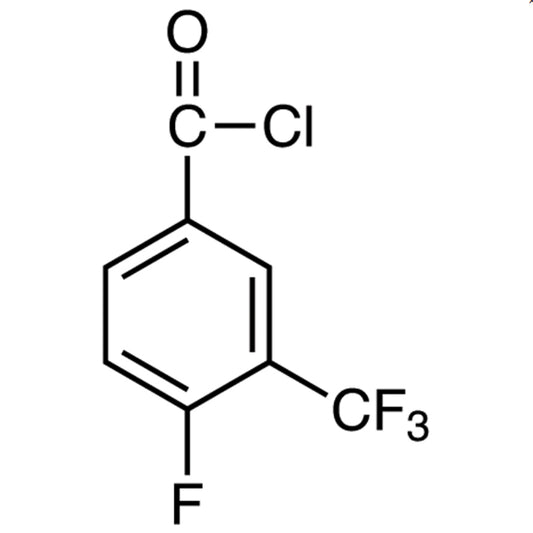
- TCI F0659 67515-56-4 4-Fluoro-3-(trifluoromethyl)benzoyl Chloride
- Organic synthesis applications benefit from this compound's reactivity and functional group versatility, allowing for the creation of complex molecules with tailored properties.
- Pharmaceutical research utilizes it as a building block for the development of new drug candidates, leveraging its structural features for targeted molecular modifications.
- Material science applications rely on its ability to participate in reactions that form functional polymers and advanced materials with specific chemical properties.
- Academic research institutions use it extensively in teaching and experimental settings to demonstrate synthetic methodologies and chemical transformations.
- Chemical innovation projects leverage its unique structure to explore novel reaction pathways and functional group manipulations in synthetic chemistry.
| Brand | TCI |
|---|---|
| CAS number | 351-52-0 |
| Molecular formula | — |
| Purity | — |
| Category | Chemistry > Building Blocks > Fluorinated Building Blocks |
| Pack sizes | Available in various quantities as per standard chemical supply practices |
| Physical form | Liquid or crystalline, depending on the specific formulation |
| Storage | Store in a cool, dry place away from direct sunlight and moisture |
This compound should be stored in a cool, dry environment, away from direct sunlight and sources of heat. It is recommended to use airtight containers made of materials that are chemically inert, such as glass or high-density polyethylene, to prevent any chemical interaction. Due to its reactivity, it should be handled with appropriate personal protective equipment, including gloves and safety goggles. In laboratory settings, it should be stored separately from incompatible substances to avoid any potential chemical reactions. Proper labeling of storage containers is essential to ensure safe handling and prevent accidental exposure. Always follow standard laboratory safety protocols when working with this compound to maintain a safe and efficient research environment.
—
Produk Terkait
-
4-Fluoro-3-(trifluoromethyl)benzenesulfonylChloride TCI F1127
Regular price From Rp 1.220.100,00Regular price -
4-Fluoro-2-(trifluoromethyl)benzenesulfonylChloride TCI F1124
Regular price From Rp 1.273.650,00Regular price -
4-Fluoro-3-methylbenzoylChloride TCI F1116
Regular price From Rp 2.730.000,00Regular price -
3-Fluoro-5-(trifluoromethyl)benzoylChloride TCI F0767
Regular price From Rp 955.500,00Regular price -
2-Fluoro-5-(trifluoromethyl)benzoylChloride TCI F0764
Regular price Rp 2.199.750,00Regular price -
4-Fluoro-3-(trifluoromethyl)benzoylChloride TCI F0659
Regular price From Rp 610.050,00Regular price -
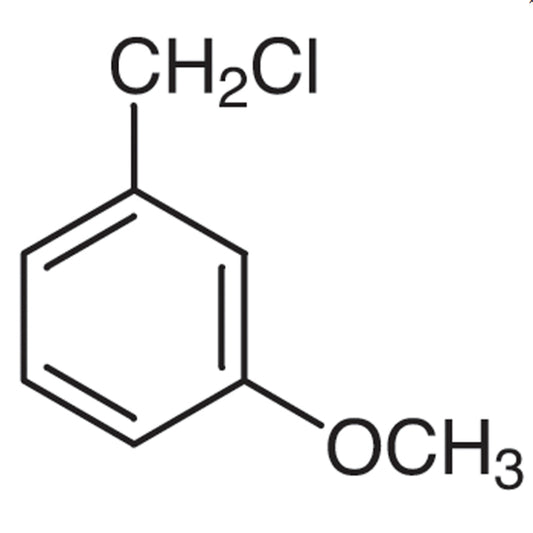
3-MethoxybenzylChloride TCI M0820
Regular price From Rp 1.035.300,00Regular price -
2-Bromo-4'-fluoro-3'-(trifluoromethyl)acetophenone TCI B5213
Regular price From Rp 505.050,00Regular price