![4-[(9H-Fluoren-9-ylmethoxy)carbonyl]morpholine-3-carboxylic Acid (CAS 204320-51-4) - TCI F1050 - AMI Scientific](http://amiscientific.com/cdn/shop/files/TCI2510F1050.jpg?v=1767114101&width=1946)
![4-[(9H-Fluoren-9-ylmethoxy)carbonyl]morpholine-3-carboxylic Acid (CAS 204320-51-4) - TCI F1050 - AMI Scientific](http://amiscientific.com/cdn/shop/files/TCI2510F1050.jpg?v=1767114101&width=1445)
4-[(9H-Fluoren-9-ylmethoxy)carbonyl]morpholine-3-carboxylic Acid is a complex organic compound widely used in laboratory synthesis. It serves as a building block in the creation of heterocyclic compounds, playing a crucial role in organic chemistry research. Its unique molecular structure allows for versatile chemical reactions, making it a valuable tool in synthetic pathways. This compound is particularly useful in the development of pharmaceuticals, industrial chemicals, and advanced materials due to its functional groups and reactivity.
The compound’s stability and controlled reactivity make it a preferred choice for laboratory applications. Its presence of both a carboxyl group and a fluorene moiety provides flexibility in substitution and coupling reactions. These properties enable chemists to design and synthesize complex molecules with high precision. The compound’s high purity and consistent quality ensure reliable results in experimental settings, making it a trusted material for researchers.
In Indonesian laboratories, this compound is commonly used in organic chemistry research, especially in pharmacology, material science, and food chemistry. It is a key component in experiments requiring high accuracy and reproducibility. Many research institutions and universities rely on this compound for their synthetic processes, contributing to advancements in various scientific fields.
Related TCI products
- TCI F1099 193693-64-0 1-[(9H-Fluoren-9-ylmethoxy)carbonyl]azetidine-3-carboxylic Acid
- TCI A0409 123-00-2 N-(3-Aminopropyl)morpholine
- TCI T2215 3077-16-5 4-(p-Tolyl)morpholine
- TCI T1277 13368-42-8 N-(Trimethylsilyl)morpholine
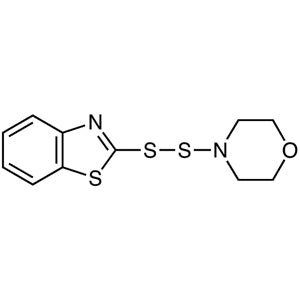
- TCI B1349 95-32-9 4-(2-Benzothiazolyldithio)morpholine
- TCI A0883 2038-03-1 4-(2-Aminoethyl)morpholine
- Organic Synthesis: This compound is ideal for creating complex heterocyclic structures due to its reactive functional groups.
- Pharmaceutical Research: It is used in the development of new drugs, as its molecular framework can be modified to target specific biological pathways.
- Material Science: The compound's unique structure allows for the synthesis of advanced materials with tailored properties.
- Food Chemistry: It is employed in the study of food additives and flavor compounds due to its chemical versatility.
- Academic Research: It is a staple in university laboratories for teaching and research in synthetic organic chemistry.
| Brand | TCI |
|---|---|
| CAS number | 204320-51-4 |
| Molecular formula | — |
| Purity | — |
| Category | Chemistry > Building Blocks > Heterocyclic Building Blocks |
| Pack sizes | Available in various quantities as per standard laboratory supply |
| Physical form | Solid (exact form may vary depending on supplier) |
| Storage | Store in a cool, dry place away from light and moisture |
This compound should be stored in a cool, dry environment, away from direct sunlight and moisture. It is recommended to keep it in a sealed container to prevent exposure to air and humidity. Proper ventilation is essential when handling the material to minimize inhalation risks. Due to its chemical nature, it should be handled with appropriate personal protective equipment, such as gloves and safety goggles. Avoid contact with skin and eyes, and ensure that spillage is cleaned up promptly using suitable safety protocols. The compound is not classified as hazardous under standard laboratory conditions, but standard chemical handling procedures should always be followed.
—
Product Categories
Produk Terkait
-
1-[(9H-Fluoren-9-ylmethoxy)carbonyl]azetidine-3-carboxylicAcid TCI F1099
Regular price Rp 2.254.350,00Regular price -
N-(3-Aminopropyl)morpholine TCI A0409
Regular price From Rp 610.050,00Regular price -
4-(p-Tolyl)morpholine TCI T2215
Regular price Rp 3.367.350,00Regular price -
N-(Trimethylsilyl)morpholine TCI T1277
Regular price From Rp 1.431.150,00Regular price -
4-(2-Benzothiazolyldithio)morpholine TCI B1349
Regular price Rp 477.750,00Regular price -
4-(2-Aminoethyl)morpholine TCI A0883
Regular price From Rp 1.087.800,00Regular price -
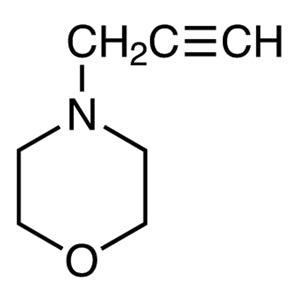
4-(2-Propyn-1-yl)morpholine TCI P2170
Regular price From Rp 505.050,00Regular price -
4-(4-Pyridyl)morpholine TCI P1646
Regular price From Rp 3.605.700,00Regular price
![1-[(9H-Fluoren-9-ylmethoxy)carbonyl]azetidine-3-carboxylic Acid (CAS 193693-64-0) - TCI F1099 - AMI Scientific](http://amiscientific.com/cdn/shop/files/TCI2510F1099.jpg?v=1767114146&width=533)