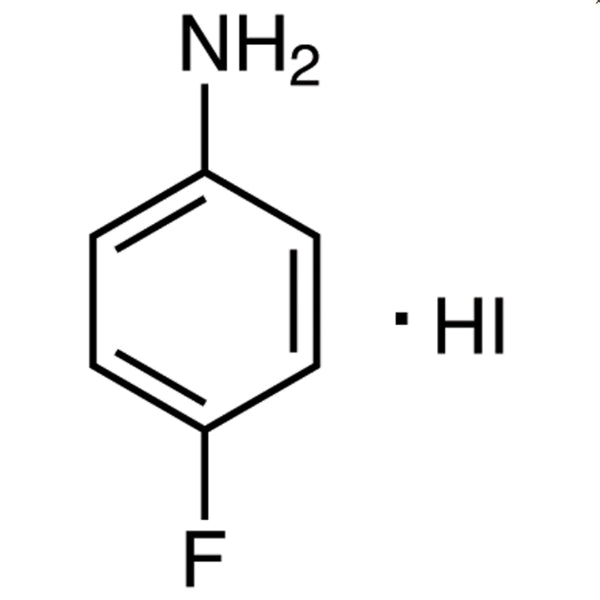
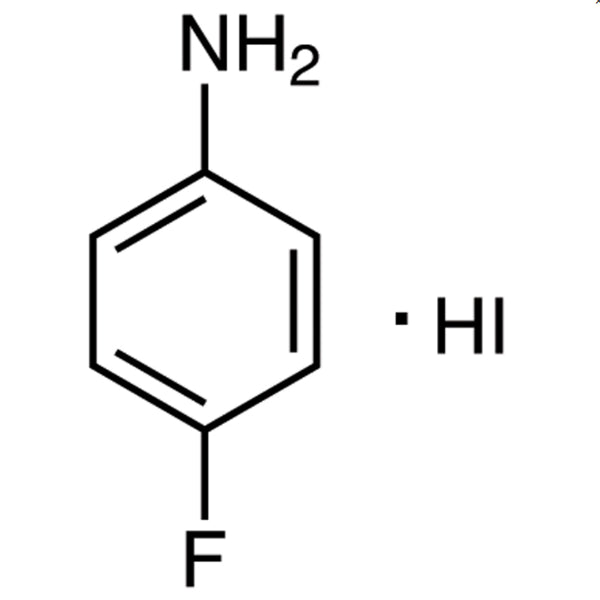
4-Fluoroaniline Hydroiodide is a chemical compound widely used in materials science research, particularly in the development of perovskite solar cell materials. This compound plays a crucial role in the synthesis of perovskite layers, which are essential for achieving high solar energy conversion efficiency. In laboratory settings, it is a key reagent for creating complex structures that require high reactivity and the ability to form thin, uniform films. Its unique chemical properties make it an important component in the fabrication of advanced photovoltaic devices.
The compound is known for its ability to form stable bonds with iodide ions, enabling the creation of ideal crystalline structures for solar cell applications. It is also soluble in various organic solvents, which simplifies mixing and deposition processes during synthesis. These characteristics make it a preferred choice for researchers aiming to develop high-performance perovskite materials. Its reactivity and solubility contribute to its effectiveness in laboratory workflows.
In Indonesian laboratories, 4-Fluoroaniline Hydroiodide is commonly used in renewable energy research, especially in the development of perovskite solar cell technology. It supports efforts to reduce reliance on conventional raw materials by enabling the creation of more efficient and sustainable photovoltaic systems. Researchers at various educational institutions and research centers rely on this compound to advance their work in next-generation energy solutions.
TCI brochures (PDF)
- Phenylethylamine Hydroiodides for Surface Treatment of Perovskite Layer 2024-07-23 · p. 2
- Organic-Inorganic Perovskite Precursors 2026-09-01 · p. 5
- Solar Cell Materials 2026-04-21 · p. 5
Related TCI products
- Perovskite Solar Cell Fabrication: This compound is essential for creating perovskite layers with high efficiency and stability, making it ideal for photovoltaic research.
- Thin Film Deposition: Its solubility in organic solvents allows for uniform thin film formation, which is critical in the development of advanced electronic materials.
- Material Synthesis for Electronic Devices: The compound’s reactivity and ability to form complex structures make it suitable for synthesizing materials used in electronic applications.
- Renewable Energy Research: It supports the development of sustainable energy technologies by enabling the creation of efficient solar cell components.
- Chemical Reactivity Studies: Its high reactivity makes it a valuable tool for studying chemical interactions in controlled laboratory environments.
| Brand | TCI |
|---|---|
| CAS number | 85734-19-6 |
| Molecular formula | — |
| Purity | — |
| Category | Materials Science > Electronic Materials > Perovskite Solar Cell (PSC) Materials |
| Pack sizes | Available in various quantities as per supplier specifications |
| Physical form | Solid powder |
| Storage | Store in a cool, dry place away from moisture and direct sunlight |
This compound should be stored in a cool, dry environment to maintain its chemical stability and prevent degradation. It is recommended to use airtight containers to protect it from moisture and air exposure. Due to its reactivity, it should be handled in a well-ventilated area, preferably with appropriate personal protective equipment. Avoid contact with incompatible materials and ensure proper disposal according to local regulations. Regular monitoring of storage conditions is advised to ensure the compound remains suitable for use in laboratory applications.
—
Produk Terkait
-
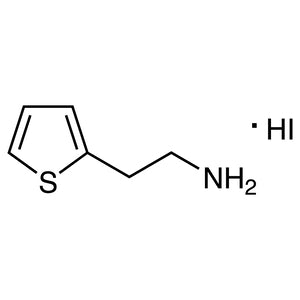
2-(Thiophen-2-yl)ethan-1-amineHydroiodide TCI A3720
Regular price From Rp 1.431.150,00Regular priceRp 1.016.400,00Sale price From Rp 1.431.150,00 -
AnilineHydroiodide TCI A2778
Regular price From Rp 1.856.400,00Regular priceRp 1.297.800,00Sale price From Rp 1.856.400,00 -
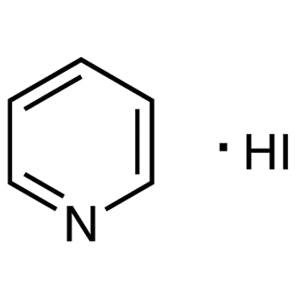
PyridineHydroiodide TCI P2672
Regular price Rp 2.279.550,00Regular priceRp 1.593.900,00Sale price Rp 2.279.550,00 -
MorpholineHydroiodide TCI M3286
Regular price From Rp 1.378.650,00Regular priceRp 979.650,00Sale price From Rp 1.378.650,00 -
ImidazoleHydroiodide(Lowwatercontent) TCI I0970
Regular price From Rp 1.988.700,00Regular priceRp 1.405.950,00Sale price From Rp 1.988.700,00 -
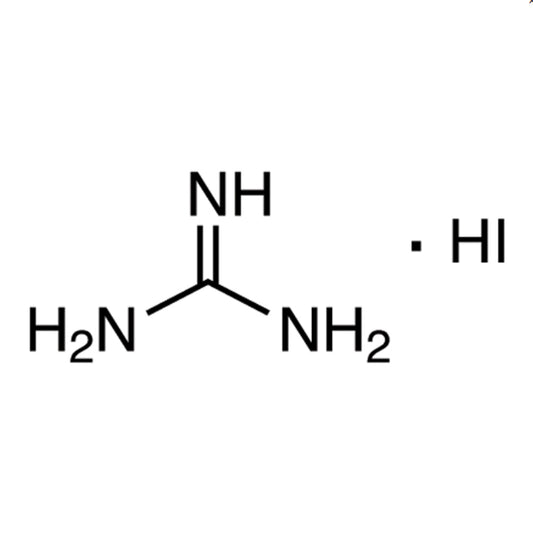
GuanidineHydroiodide TCI G0450
Regular price Rp 689.850,00Regular priceRp 497.700,00Sale price Rp 689.850,00 -
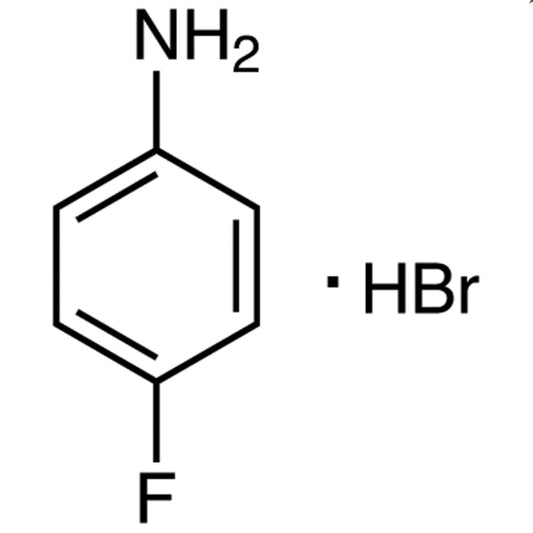
4-FluoroanilineHydrobromide TCI F1272
Regular price From Rp 2.332.050,00Regular priceRp 1.630.650,00Sale price From Rp 2.332.050,00 -
4-FluoroanilineHydrochloride TCI F1271
Regular price From Rp 2.227.050,00Regular priceRp 1.557.150,00Sale price From Rp 2.227.050,00