Aniline Hydroiodide (45497-73-2) is a chemical compound widely used in scientific research, particularly in the field of materials science. It plays a crucial role in the synthesis of organic compounds with diverse applications, including the development of perovskite solar cells (PSCs). As a key component in semiconductor materials, it contributes to enhancing the efficiency and stability of solar cell structures. Its presence in laboratory settings is essential for advancing research in renewable energy technologies and material innovation.
The chemical properties of Aniline Hydroiodide make it a preferred choice for researchers. It exhibits chemical stability under specific conditions and has the ability to form bonds with various organic compounds. These characteristics allow it to be effectively used in synthesis and modification processes. Additionally, its good solubility in organic solvents simplifies its application in a wide range of laboratory experiments. This versatility makes it a valuable reagent for both academic and industrial research.
In Indonesian laboratories, Aniline Hydroiodide is extensively used in material research, especially in the development of solar cell technology. It is a vital component in studies aimed at improving the performance and durability of perovskite solar cells. Researchers from various educational and research institutions frequently utilize this compound to explore new materials and optimize existing technologies. Its role in advancing sustainable energy solutions is significant in the scientific community.
TCI brochures (PDF)
- Phenylethylamine Hydroiodides for Surface Treatment of Perovskite Layer 2024-07-23 · p. 2
- Perovskite Precursor: Lead Acetate Anhydrous 2025-01-16 · p. 2
- Perovskite Precursor for Solar Cell Purified Lead(II) Iodide 2023-12-28 · p. 2
- High Purity Perovskite Precursor Purified Lead(II) Bromide 2024-04-04 · p. 2
- Perovskite Precursor Tin(II) Iodide Tin(II) Bromide 2024-01-09 · p. 2
- Organic-Inorganic Perovskite Precursors 2026-09-01 · p. 5
Related TCI products
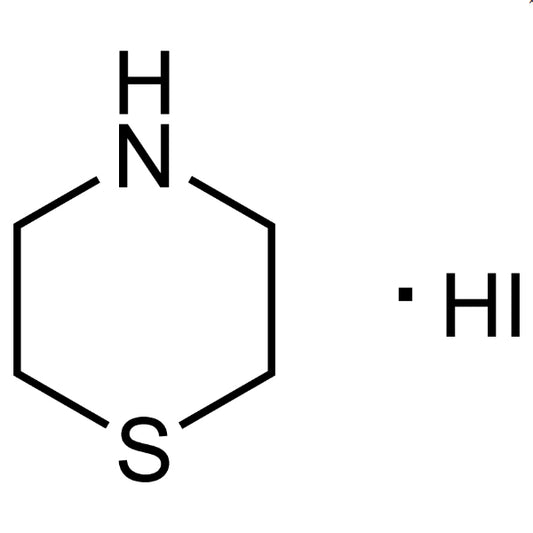
- TCI T4375 118725-79-4 Thiomorpholine Hydroiodide
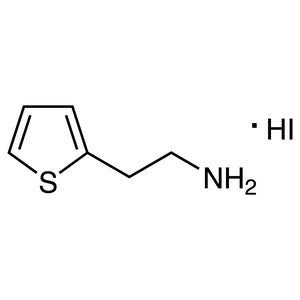
- TCI A3720 2414055-94-8 2-(Thiophen-2-yl)ethan-1-amine Hydroiodide
- TCI A2902 1452099-14-7 Acetamidine Hydroiodide (Low water content)
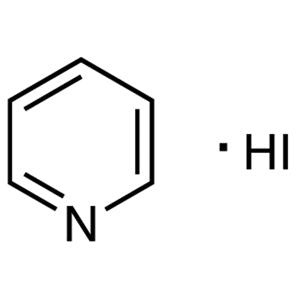
- TCI P2672 18820-83-2 Pyridine Hydroiodide
- TCI P2389 116469-02-4 1,4-Phenylenediamine Dihydroiodide
- TCI M3286 58464-45-2 Morpholine Hydroiodide
- Perovskite Solar Cell Development: Aniline Hydroiodide is used to enhance the efficiency and stability of perovskite solar cells, making it essential for renewable energy research.
- Organic Compound Synthesis: Its chemical stability and reactivity make it ideal for synthesizing a variety of organic compounds used in material science.
- Semiconductor Material Modification: It plays a key role in modifying semiconductor structures, contributing to improved electronic properties in advanced materials.
- Analytical Chemistry Experiments: Due to its solubility in organic solvents, it is frequently used in analytical techniques for material characterization.
- Research in Renewable Energy Technologies: Its application in solar cell development supports ongoing research into sustainable and efficient energy solutions.
| Brand | TCI |
|---|---|
| CAS number | 45497-73-2 |
| Molecular formula | — |
| Purity | — |
| Category | Materials Science > Electronic Materials > Perovskite Solar Cell (PSC) Materials |
| Pack sizes | Available in standard laboratory quantities as per supplier specifications |
| Physical form | Solid, crystalline appearance |
| Storage | Store in a cool, dry place away from moisture and direct sunlight |
Aniline Hydroiodide should be stored in a cool, dry environment to maintain its chemical stability. It is recommended to keep it in a tightly sealed container to prevent exposure to moisture and air. Due to its potential reactivity, it should be handled in a well-ventilated laboratory setting. Protective gloves and safety goggles are advised during handling to ensure laboratory safety. Avoid contact with skin and eyes, and ensure proper disposal procedures are followed. Regular monitoring of storage conditions is essential to maintain the integrity of the compound.
—
Produk Terkait
-
ThiomorpholineHydroiodide TCI T4375
Regular price From Rp 1.988.700,00Regular priceRp 1.405.950,00Sale price From Rp 1.988.700,00 -
2-(Thiophen-2-yl)ethan-1-amineHydroiodide TCI A3720
Regular price From Rp 1.431.150,00Regular priceRp 1.016.400,00Sale price From Rp 1.431.150,00 -
AcetamidineHydroiodide(Lowwatercontent) TCI A2902
Regular price From Rp 1.801.800,00Regular priceRp 1.275.750,00Sale price From Rp 1.801.800,00 -
PyridineHydroiodide TCI P2672
Regular price Rp 2.279.550,00Regular priceRp 1.593.900,00Sale price Rp 2.279.550,00 -
1,4-PhenylenediamineDihydroiodide TCI P2389
Regular price Rp 3.763.200,00Regular priceRp 2.631.300,00Sale price Rp 3.763.200,00 -
MorpholineHydroiodide TCI M3286
Regular price From Rp 1.378.650,00Regular priceRp 979.650,00Sale price From Rp 1.378.650,00 -
MethylamineHydroiodide(Lowwatercontent) TCI M2556
Regular price From Rp 823.200,00Regular priceRp 575.400,00Sale price From Rp 823.200,00 -
ImidazoleHydroiodide(Lowwatercontent) TCI I0970
Regular price From Rp 1.988.700,00Regular priceRp 1.405.950,00Sale price From Rp 1.988.700,00