Stearyl Gallate (TCI G0019 10361-12-3) is a chemical compound widely used in laboratory settings for its versatile applications in chemical experiments and scientific research. As a non-heterocyclic building block, it plays a crucial role in the synthesis of complex organic molecules. This compound is highly valued for its stability and effectiveness in various chemical processes. Its presence in laboratory inventories ensures that researchers have access to a reliable and essential reagent for their experiments.
One of the key attributes that make Stearyl Gallate a preferred choice is its strong antioxidant properties. These properties make it particularly useful in reactions where oxidation is a concern. The compound's ability to act as an antioxidant inhibitor is especially beneficial in preventing unwanted oxidation during chemical reactions. Additionally, Stearyl Gallate exhibits good solubility in organic solvents, which simplifies its use in a wide range of laboratory procedures. Its chemical stability further enhances its reliability in experimental settings.
In Indonesian laboratories, Stearyl Gallate is commonly used in a variety of scientific research areas. It is frequently employed in organic synthesis, pharmaceutical development, and antioxidant studies. Its role in these applications is essential due to its chemical properties and effectiveness in maintaining the integrity of experimental processes. Researchers in Indonesia rely on this compound for its consistent performance and reliability in laboratory work.
- Organic synthesis experiments benefit from Stearyl Gallate due to its stability and antioxidant properties, which help in preserving reaction intermediates.
- Pharmaceutical development utilizes this compound as a key reagent in the synthesis of antioxidant compounds, supporting drug formulation processes.
- Antioxidant research relies on Stearyl Gallate to study its protective effects against oxidative damage in various chemical systems.
- Laboratory testing for oxidation resistance uses Stearyl Gallate as a standard compound to evaluate the performance of other materials.
- Industrial chemical processes incorporate Stearyl Gallate for its role in stabilizing compounds during manufacturing and storage phases.
| Brand | TCI |
|---|---|
| CAS number | 10361-12-3 |
| Molecular formula | — |
| Purity | — |
| Category | Chemistry > Building Blocks > Non-Heterocyclic Building Blocks |
| Pack sizes | Available in various quantities as per standard laboratory supply |
| Physical form | Solid powder |
| Storage | Store in a cool, dry place away from direct sunlight |
Stearyl Gallate should be stored in a cool, dry environment to maintain its chemical stability and prevent degradation. It is recommended to keep the compound in a sealed container to avoid exposure to moisture and air, which could affect its properties. When handling, it is advisable to use appropriate personal protective equipment such as gloves and safety goggles to ensure safety. The compound is generally non-hazardous but should be handled with care to avoid contamination. In laboratory settings, it is important to store it away from incompatible substances to prevent any adverse reactions. Proper storage conditions help preserve the compound's effectiveness and ensure its safe use in research applications.
—
Produk Terkait
-
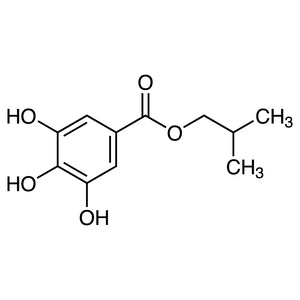
IsobutylGallate TCI G0205
Regular price Rp 1.538.250,00Regular price -
ButylGallate TCI G0186
Regular price Rp 1.115.100,00Regular price -
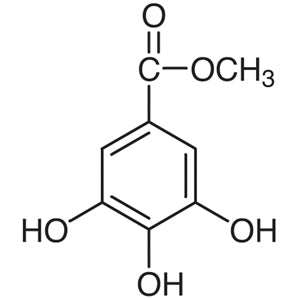
MethylGallate TCI G0017
Regular price From Rp 637.350,00Regular price -
HexadecylGallate TCI G0013
Regular price From Rp 3.419.850,00Regular price -
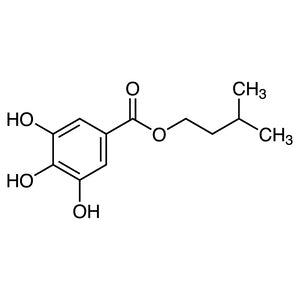
IsoamylGallate TCI G0012
Regular price From Rp 1.829.100,00Regular price -
StearylAcrylate(stabilizedwithMEHQ) TCI A1011
Regular price From Rp 505.050,00Regular price -
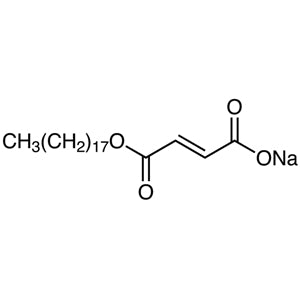
SodiumStearylFumarate TCI S0879
Regular price From Rp 1.246.350,00Regular price -
StearylMethacrylate(stabilizedwithMEHQ) TCI M0593
Regular price From Rp 557.550,00Regular price