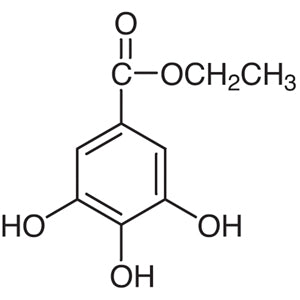
Butyl Gallate (BG), with the CAS number 1083-41-6, is a widely used chemical compound in laboratory settings, particularly in organic chemistry and analytical applications. As a natural antioxidant, BG plays a crucial role in preventing oxidative degradation during chemical reactions, making it an essential component in many synthetic and analytical procedures. Its stability and compatibility with various organic compounds allow it to be a versatile reagent in laboratory experiments. BG is commonly found in research involving the synthesis of complex molecules and the testing of chemical purity and stability.
One of the key properties that make BG a preferred choice is its ability to neutralize free radicals, which helps protect sensitive compounds from oxidation. Its solubility in organic solvents such as ethyl acetate and ethanol further enhances its utility in laboratory applications, as it facilitates easy mixing and integration into experimental setups. Additionally, BG’s molecular structure allows it to participate in various chemical reactions, including substitution, reduction, and oxidation processes, making it a valuable tool for chemists.
In Indonesian laboratories, BG is extensively used in organic chemistry research, chemical analysis, and the development of new products. Its role in stabilizing compounds and preventing degradation makes it indispensable in both academic and industrial research settings. Its consistent performance and reliability have made it a standard reagent in many laboratory workflows across Indonesia.
- Organic synthesis experiments benefit from BG’s antioxidant properties, which help preserve reagents and products from oxidative damage.
- Chemical analysis procedures often use BG as a stabilizer to maintain the integrity of samples during testing and measurement.
- BG is commonly employed in the development of new chemical products, where its stability and reactivity support the creation of complex compounds.
- In quality control testing, BG helps ensure the consistency and purity of chemical substances by preventing unwanted oxidation reactions.
- BG is used in research related to radical scavenging and free radical inhibition, supporting studies in both academic and industrial settings.
| Brand | TCI |
|---|---|
| CAS number | 1083-41-6 |
| Molecular formula | — |
| Purity | — |
| Category | Chemistry > Building Blocks > Non-Heterocyclic Building Blocks |
| Pack sizes | Available in various quantities as per standard laboratory supply |
| Physical form | Solid or liquid, depending on the specific product variant |
| Storage | Store in a cool, dry place away from light and heat sources |
Butyl Gallate should be stored in a cool, dry environment, away from direct sunlight and sources of heat to maintain its chemical stability. It is recommended to use airtight containers to prevent moisture absorption and contamination. Due to its potential reactivity with certain substances, it should be handled with care, using appropriate personal protective equipment such as gloves and safety goggles. In laboratory settings, BG should be kept in a well-ventilated area to minimize exposure to vapors. Proper labeling of containers is essential for safe handling and to prevent accidental misuse. Regular inspection of storage conditions ensures the material remains in optimal condition for use in experiments.
—
Produk Terkait
-
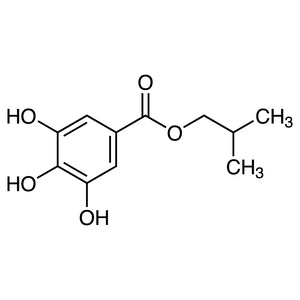
IsobutylGallate TCI G0205
Regular price Rp 1.538.250,00Regular price -
StearylGallate TCI G0019
Regular price Rp 2.254.350,00Regular price -
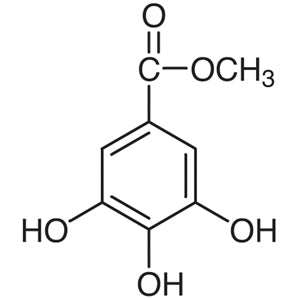
MethylGallate TCI G0017
Regular price From Rp 637.350,00Regular price -
HexadecylGallate TCI G0013
Regular price From Rp 3.419.850,00Regular price -
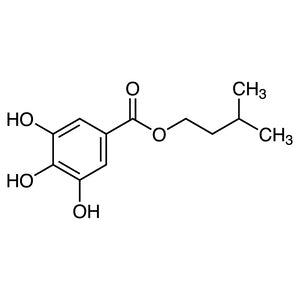
IsoamylGallate TCI G0012
Regular price From Rp 1.829.100,00Regular price -
n-OctylGallate TCI G0206
Regular price From Rp 1.590.750,00Regular price -
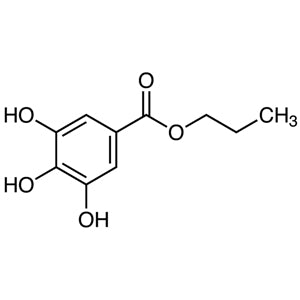
PropylGallate TCI G0018
Regular price From Rp 637.350,00Regular price -
EthylGallate TCI G0016
Regular price From Rp 743.400,00Regular price