TCI G0017 Methyl Gallate is the methyl ester of gallic acid. It is a phenolic compound with three adjacent hydroxyl groups on a benzene ring and one methyl ester group. In the laboratory it serves as a non-heterocyclic building block for making more complex gallate derivatives, and as a reference compound in polyphenol and antioxidant studies. Its structure is simple but carries many functional groups, so methyl gallate is a common starting point for synthesis in organic chemistry, pharmaceutical, and natural product laboratories.
Chemists choose methyl gallate mainly because the hydroxyl groups at positions 3, 4, and 5 can be modified selectively, for example by alkylation, acylation, or protection. The ester group can still be hydrolysed or reduced at a later stage. The phenolic groups also give the compound its characteristic free-radical scavenging behaviour, which makes it relevant for antioxidant activity assays. TCI reagents are consistent from lot to lot, so researchers can get reaction outcomes and analytical data that repeat well from one experiment to the next.
In Indonesia, methyl gallate is widely used by natural product research groups. They use it as a starting material and as a comparison standard when they study phenolic compounds. University organic chemistry and pharmacy laboratories also use it to prepare gallate derivatives and to teach selective functional group modification. Antioxidant testing laboratories use it as a reference compound alongside polyphenol samples, and synthesis groups value it as an easy-to-handle building block for multistep routes.
TCI brochures (PDF)
- Traditional Medicine/Crude Medicine Research Reagents 2024-09-11 · p. 2
- Plant Research Reagents 2026-02-24 · p. 9
- Phytochemicals 2025-12-17 · p. 14
- Synthesis of gallate derivatives: the three adjacent hydroxyl groups and the methyl ester give several reactive sites, so researchers can build more complex gallate structures step by step.
- Selective protection and alkylation studies: the 3,4,5-trihydroxy pattern can be modified selectively by alkylation, acylation, or protection, which makes it a useful model substrate for developing and teaching these techniques.
- Ester transformation chemistry: the methyl ester group can be hydrolysed or reduced at a later stage, so chemists can change the carboxyl end after the phenolic positions have been modified.
- Antioxidant activity assays: the phenolic groups scavenge free radicals in a characteristic way, so methyl gallate works well as a reference compound when comparing the antioxidant activity of test samples.
- Polyphenol and natural product research: as a simple, well-defined gallic acid ester, it is a practical comparison standard for laboratories studying plant-derived phenolic and polyphenol compounds.
| Brand | TCI (product code G0017) |
|---|---|
| CAS number | 99-24-1 |
| Molecular formula | — |
| Purity | — |
| Category | Chemistry > Building Blocks > Non-Heterocyclic Building Blocks |
| Pack sizes | available in the pack sizes listed on the product page; contact AMI Scientific for current options |
| Physical form | refer to the product label and certificate of analysis supplied with each lot |
| Storage | keep tightly closed in a cool, dry place away from light, as indicated on the product label |
Store methyl gallate in its original, tightly sealed container in a cool, dry, well-ventilated area, away from direct sunlight, heat sources, and strong oxidizing agents. Phenolic compounds can slowly degrade when exposed to air, moisture, and light, so close the container right after each use. If you transfer portions, use clean, dry, clearly labelled glass or chemically compatible containers. Wear standard laboratory protective equipment, including gloves, safety glasses, and a lab coat. Avoid breathing in dust and avoid contact with skin and eyes. Weigh and handle the material in a fume hood or a well-ventilated area. Always read the Safety Data Sheet before use, and follow your institution's chemical waste disposal procedures.
—
Product Categories
Produk Terkait
-
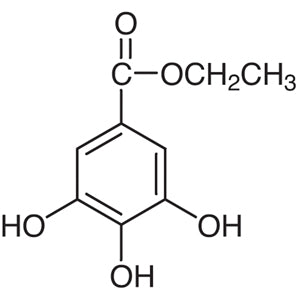
EthylGallate TCI G0016
Regular price From Rp 795.900,00Regular priceRp 572.250,00Sale price From Rp 795.900,00 -
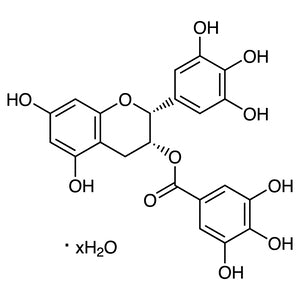
(-)-EpigallocatechinGallateHydrate TCI E0694
Regular price From Rp 2.173.500,00Regular priceRp 1.535.100,00Sale price From Rp 2.173.500,00 -
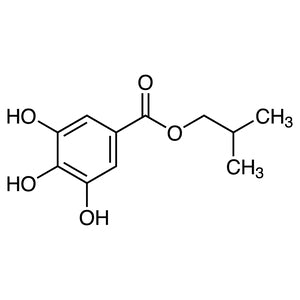
IsobutylGallate TCI G0205
Regular price Rp 1.590.750,00Regular priceRp 1.127.700,00Sale price Rp 1.590.750,00 -
ButylGallate TCI G0186
Regular price Rp 1.167.600,00Regular priceRp 831.600,00Sale price Rp 1.167.600,00 -
StearylGallate TCI G0019
Regular price Rp 2.306.850,00Regular priceRp 1.628.550,00Sale price Rp 2.306.850,00 -
HexadecylGallate TCI G0013
Regular price From Rp 3.472.350,00Regular priceRp 2.443.350,00Sale price From Rp 3.472.350,00 -
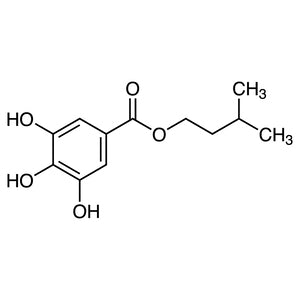
IsoamylGallate TCI G0012
Regular price From Rp 1.881.600,00Regular priceRp 1.331.400,00Sale price From Rp 1.881.600,00 -
trans-Cinnamaldehyde TCI C0352
Regular price From Rp 477.750,00Regular priceRp 333.900,00Sale price From Rp 477.750,00