Gluconic Acid (526-95-4), also known as TCI G0036, is a chemical compound widely used in laboratory settings for its versatile properties and applications. It is a weak acid with a unique molecular structure that includes gluconolactone, making it particularly useful in various chemical and biochemical experiments. This compound is commonly found in aqueous solutions, typically at a concentration of 45-50%, which enhances its solubility and usability in a wide range of laboratory procedures. Its role in chemical research spans from pH regulation to the synthesis of complex molecules, making it an essential reagent for many scientific investigations.
One of the key reasons Gluconic Acid is preferred in laboratories is its solubility in water and its ability to maintain stability under normal conditions. These properties make it ideal for use in long-term experiments and storage. Additionally, its mild acidic nature allows it to be safely used in a variety of applications without causing significant chemical degradation or interference. Its non-toxic and environmentally friendly characteristics further enhance its appeal, especially in research environments that prioritize safety and sustainability. As a result, it is a reliable and safe choice for both academic and industrial laboratories.
In Indonesian laboratories, Gluconic Acid is extensively used across multiple disciplines, including analytical chemistry, biochemistry, and pharmaceutical research. It plays a crucial role in the development of natural products, cosmetic formulations, and food preservation techniques. Its availability and reliability make it a standard component in many research protocols, supporting both fundamental and applied scientific studies in the region.
TCI brochures (PDF)
Related TCI products
- TCI G0047 492-61-5 beta-D-Glucose (contains alpha-D-Glucose)
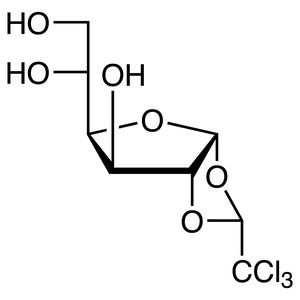
- TCI C0074 15879-93-3 alpha-Chloralose (contains beta-isomer)
- TCI C3105 18472-51-0 Chlorhexidine Digluconate (ca. 20% in Water)
- TCI A0522 497-76-7 Arbutin
- TCI T3109 29767-20-2 Teniposide
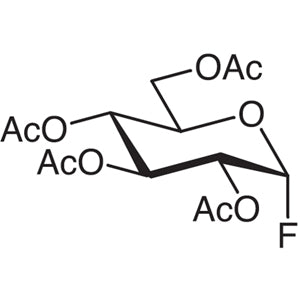
- TCI T1995 3934-29-0 2,3,4,6-Tetra-O-acetyl-alpha-D-glucopyranosyl Fluoride
- Used in chemical synthesis for the preparation of complex organic molecules due to its reactivity and solubility properties.
- Applied in pH regulation and buffer systems to maintain stable conditions during biochemical reactions and experiments.
- Utilized in analytical chemistry for the determination of metal ions and other compounds through titration and spectroscopic methods.
- Employed in pharmaceutical research for the development of natural-based drugs and cosmetic ingredients due to its biocompatibility.
- Integrated into environmental studies for the analysis of water and soil samples to assess acidity levels and contamination factors.
| Brand | TCI |
|---|---|
| CAS number | 526-95-4 |
| Molecular formula | — |
| Purity | — |
| Category | Chemistry > Chemical Biology > Glycoscience |
| Pack sizes | 45-50% in water solution |
| Physical form | Aqueous solution |
| Storage | Store in a cool, dry place away from direct sunlight |
Gluconic Acid should be stored in a cool, dry place, away from direct sunlight and sources of heat to maintain its chemical stability. It is recommended to use airtight containers made of glass or high-density polyethylene to prevent contamination and evaporation. As a water-soluble compound, it should be handled with care to avoid spills and ensure proper ventilation in the laboratory. While it is non-toxic and safe for general use, it is still important to follow standard laboratory safety protocols, such as wearing gloves and safety goggles when handling. The compound is stable under normal storage conditions, making it a reliable and easy-to-manage reagent for everyday laboratory use.
—
Produk Terkait
-
beta-D-Glucose(containsalpha-D-Glucose) TCI G0047
Regular price From Rp 1.431.150,00Regular price -
alpha-Chloralose(containsbeta-isomer) TCI C0074
Regular price Rp 848.400,00Regular price -
ChlorhexidineDigluconate(ca.20%inWater) TCI C3105
Regular price Rp 848.400,00Regular price -
Arbutin TCI A0522
Regular price From Rp 452.550,00Regular price -
Teniposide TCI T3109
Regular price From Rp 1.485.750,00Regular price -
2,3,4,6-Tetra-O-acetyl-alpha-D-glucopyranosylFluoride TCI T1995
Regular price Rp 3.312.750,00Regular price -
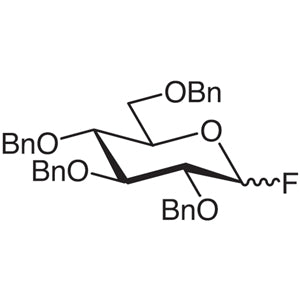
2,3,4,6-Tetra-O-benzyl-D-glucopyranosylFluoride TCI T1971
Regular price Rp 5.089.350,00Regular price -
3,4,6-Tri-O-benzyl-2-deoxy-D-glucopyranose TCI T1933
Regular price Rp 928.200,00Regular price