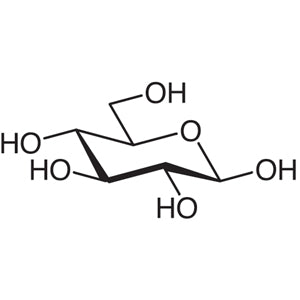
Beta-D-Glucose is a carbohydrate compound widely used in various chemical and biochemical experiments conducted in laboratories. As a form of glucose, it plays a fundamental role in the metabolism of energy in living organisms. In laboratory settings, Beta-D-Glucose serves as a key substrate in enzymatic reactions, a building block for the synthesis of more complex compounds, and a subject of study in molecular structure and function. Its presence in many biological processes makes it an essential tool for researchers in multiple scientific disciplines.
The stability of Beta-D-Glucose’s molecular structure and its favorable physical properties make it a preferred choice for precise and reproducible experiments. Its purity ensures consistent results, which is critical in scientific research. Additionally, the beta form of glucose exhibits a certain level of stability that enhances its usability under various reaction conditions. These characteristics make it a reliable and versatile material for both academic and industrial laboratory applications.
In Indonesian laboratories, Beta-D-Glucose is commonly used in biochemical, pharmaceutical, and organic chemistry research. It is a vital component in the development of pharmaceutical products and serves as a raw material in the food industry. Its availability and reliability make it a top choice for researchers and practitioners across educational and research institutions in Indonesia.
TCI brochures (PDF)
Related TCI products
- Enzymatic Reaction Studies: Beta-D-Glucose is ideal for studying enzyme activity as it serves as a substrate in many enzymatic processes, allowing researchers to analyze catalytic efficiency and reaction kinetics.
- Glycoside Synthesis: Its molecular structure makes it a valuable starting material for the synthesis of glycosides, which are important in pharmaceutical and biochemical applications.
- Carbohydrate Structure Analysis: It is used in structural studies of carbohydrates to understand their molecular configurations and functional roles in biological systems.
- Metabolic Pathway Research: Beta-D-Glucose is essential for investigating metabolic pathways, particularly in energy metabolism and cellular respiration.
- Food Industry Applications: It is used as a raw material in the production of food products, supporting research and development in the food science sector.
| Brand | TCI |
|---|---|
| CAS number | 492-61-5 |
| Molecular formula | — |
| Purity | — |
| Category | Chemistry > Chemical Biology > Glycoscience |
| Pack sizes | Available in various quantities as per standard laboratory requirements |
| Physical form | White crystalline powder |
| Storage | Store in a cool, dry place away from moisture and direct sunlight |
Beta-D-Glucose should be stored in a cool, dry environment to maintain its stability and prevent degradation. It is recommended to keep it in airtight containers to minimize exposure to moisture and contaminants. Due to its hygroscopic nature, it is important to ensure that the storage area is well-ventilated and free from sources of humidity. When handling, use appropriate personal protective equipment such as gloves and safety goggles to avoid direct contact. It should be stored away from incompatible materials such as strong oxidizing agents. Regular inspection of storage conditions is advised to ensure the integrity of the material remains uncompromised.
—
Produk Terkait
-
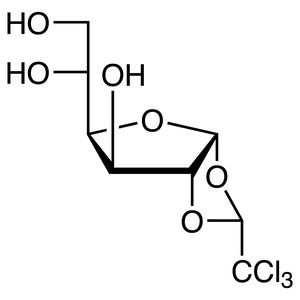
alpha-Chloralose(containsbeta-isomer) TCI C0074
Regular price Rp 848.400,00Regular price -
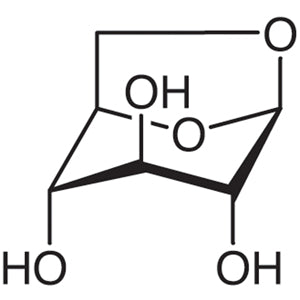
1,6-Anhydro-beta-D-glucose TCI A1074
Regular price From Rp 1.298.850,00Regular price -
D-GlucoseDiethylMercaptal TCI G0259
Regular price Rp 1.881.600,00Regular price -
L-(-)-Glucose TCI G0226
Regular price From Rp 2.571.450,00Regular price -
D-Glucose6-PhosphateBariumSaltHeptahydrate TCI G0052
Regular price From Rp 505.050,00Regular price -
D-(+)-Glucose TCI G0048
Regular price From Rp 452.550,00Regular price -
2-Deoxy-D-glucose TCI D0051
Regular price From Rp 1.431.150,00Regular price -
GluconicAcid(containsGluconolactone)(45-50%inWater) TCI G0036
Regular price From Rp 477.750,00Regular price