

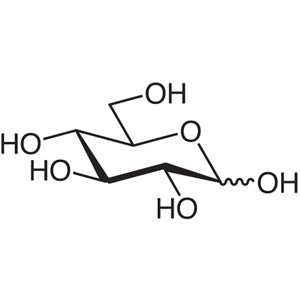
D-(+)-Glucose is a chemical compound representing the D-form of glucose, a fundamental sugar involved in the metabolism of living organisms. This compound plays a crucial role in laboratory settings, particularly in chemical and biochemical research. It is widely used as a substrate in enzymatic reactions, a building block for the synthesis of organic compounds, and a standard for analytical techniques such as chromatography. Its versatility makes it an essential reagent for both basic and advanced scientific investigations.
D-(+)-Glucose is valued for its chemical stability under normal conditions and its ability to participate in redox reactions and metal complex formation. Its controlled reactivity and complex molecular structure make it a preferred choice in biochemical and pharmacological research. The compound’s predictable behavior in various experimental conditions ensures reliable results, making it a trusted material for researchers. Additionally, its availability in multiple packaging formats supports its use across a wide range of experimental scales.
In Indonesian laboratories, D-(+)-Glucose is commonly used in metabolic disease studies, drug development, and enzyme mechanism research. It is also an integral part of chemistry and biochemistry practical courses in higher education institutions, supporting both theoretical and applied learning. Its consistent performance and broad applicability make it a staple in the research and teaching environments of Indonesian scientific institutions.
TCI brochures (PDF)
- Reagents for Glyco Chemistry & Biology 5th Edition · p. 32
- Reagents for Biological Research 2025-03-11 · p. 22
- Enzymatic Reaction Studies: D-(+)-Glucose serves as a substrate for enzyme assays, enabling researchers to study catalytic mechanisms and substrate specificity in biochemical processes.
- Organic Synthesis: It is used as a starting material or intermediate in the synthesis of various organic compounds, particularly in glycoside and carbohydrate-related chemistry.
- Chromatographic Analysis: As a standard compound, D-(+)-Glucose is employed in chromatographic techniques to calibrate and validate analytical methods for sugar detection and quantification.
- Metabolic Disease Research: It is utilized in studies related to glucose metabolism, insulin resistance, and other metabolic disorders, providing insights into physiological and pathological processes.
- Educational Practical Courses: It is a key component in laboratory exercises for students learning about carbohydrate chemistry, enzymology, and analytical techniques.
| Brand | TCI |
|---|---|
| CAS number | 50-99-7 |
| Molecular formula | — |
| Purity | — |
| Category | Chemistry > Chemical Biology > Glycoscience |
| Pack sizes | Available in various quantities to suit different experimental needs |
| Physical form | Crystalline solid |
| Storage | Store in a cool, dry place away from light and moisture |
D-(+)-Glucose should be stored in a cool, dry environment, away from direct light and moisture to maintain its chemical integrity. It is recommended to use airtight containers to prevent exposure to humidity and contaminants. Due to its potential reactivity in certain conditions, it should be handled with care, using appropriate personal protective equipment such as gloves and safety goggles. In laboratory settings, it should be kept in a designated chemical storage area to ensure safe access and minimize risks. Proper labeling of containers is essential for safe handling and to prevent accidental misuse. Regular monitoring of storage conditions ensures the compound remains stable and suitable for use in experiments.
—
Product Categories
- GlycoscienceApplications Using Glyco-materialsGlyco-utilization [Applications Using Glyco-materials]
- GlycoscienceApplications Using Glyco-materialsGlyco-chemical Analysis [Applications Using Glyco-materials]
- GlycoscienceEnzyme, Lectin, Antibody [Glycoscience]Glycohydrases and Related Reagents [Glycoscience]
- GlycoscienceMonosaccharides [Glycoscience]Glucoses [Glycoscience]
- Biochemicals and ReagentsCarbohydrates
- Cell BiologyCancer ResearchCancer Metabolism
Produk Terkait
-
L-(-)-Glucose TCI G0226
Regular price From Rp 2.571.450,00Regular price -
2-Deoxy-D-glucose TCI D0051
Regular price From Rp 1.431.150,00Regular price -
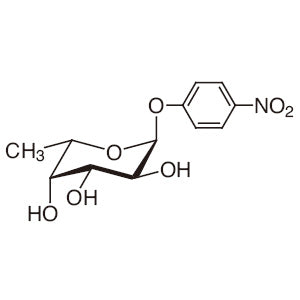
4-Nitrophenylalpha-L-Fucopyranoside TCI N0392
Regular price From Rp 1.565.550,00Regular price -
Arbutin TCI A0522
Regular price From Rp 452.550,00Regular price -
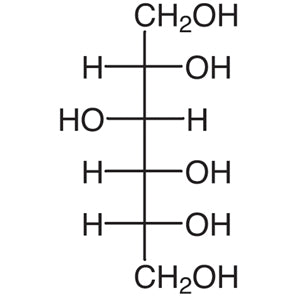
D-Sorbitol TCI S0065
Regular price From Rp 452.550,00Regular price -
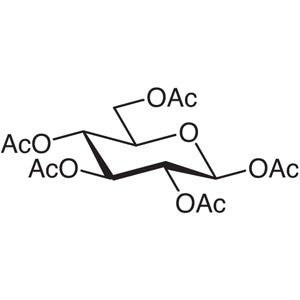
Penta-O-acetyl-beta-D-glucopyranose TCI P0028
Regular price From Rp 1.644.300,00Regular price -
4-Nitrophenylalpha-D-Glucopyranoside[Substrateforalpha-D-Glucosidase] TCI N0493
Regular price From Rp 2.147.250,00Regular price -
4-Nitrophenylbeta-D-GlucopyranosideMonohydrate[Substrateforbeta-D-Glucosidase] TCI N0235
Regular price From Rp 2.359.350,00Regular price



![3767-28-0 4-Nitrophenyl alpha-D-Glucopyranoside [Substrate for alpha-D-Glucosidase] - AMI Scientific](http://amiscientific.com/cdn/shop/files/TCI2510N0493.jpg?v=1767129938&width=533)
![2492-87-7 4-Nitrophenyl beta-D-Glucopyranoside Monohydrate [Substrate for beta-D-Glucosidase] - AMI Scientific](http://amiscientific.com/cdn/shop/files/TCI2510N0235.jpg?v=1767129472&width=533)