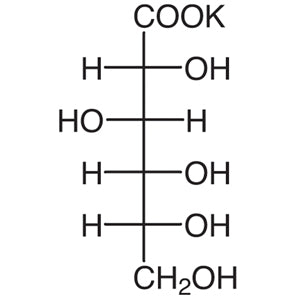
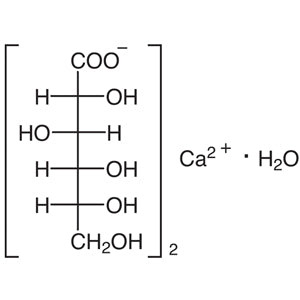
D-Sorbitol, also known as TCI S0065 50-70-4, is a naturally occurring sugar that plays a significant role in chemical and biochemical experiments. As a polyhydroxy alcohol, it possesses a complex molecular structure and unique physical and chemical properties that make it a versatile compound in laboratory settings. It is widely used as a reagent in various analytical and synthetic processes due to its stability and compatibility with a range of chemical environments. Its ability to act as a buffer and its hydrophilic nature contribute to its importance in both research and industrial applications.
D-Sorbitol is preferred for its non-toxic, non-mercurial properties, which ensure safety in laboratory environments. It is highly soluble in water, making it an ideal choice for preparing aqueous solutions and buffer systems. Its chemical stability ensures that it maintains its properties over time, even under normal storage conditions. These characteristics make it a reliable and safe material for use in both academic and professional laboratories. Additionally, its resistance to degradation under typical conditions allows for long-term storage and consistent performance in experiments.
In Indonesian laboratories, D-Sorbitol is commonly used in chemical, pharmaceutical, and biological research. It is particularly relevant in studies involving carbohydrate chemistry, enzyme activity, and drug formulation. Its presence in various research fields highlights its importance as a fundamental compound in modern scientific investigations. The compound's versatility and safety profile make it a staple in many laboratory workflows across Indonesia.
TCI brochures (PDF)
- Methylated Nucleoside in the 5’-Terminal Structure of Eukaryotic mRNA 2025-04-14 · p. 1
- Obesity_Diabete Research Reagents 2026-07-10 · p. 1
- Reagents for Glyco Chemistry & Biology 5th Edition · p. 39
- Reagents for Biological Research 2025-03-11 · p. 52
- Buffer preparation and pH regulation in biochemical assays due to its hydrophilic nature and solubility.
- Use in organic synthesis as a reducing agent or as a solvent in reaction mixtures.
- Support in the development of pharmaceutical formulations due to its stability and compatibility with various compounds.
- Application in enzymatic studies as a substrate or co-factor in enzyme-catalyzed reactions.
- Utilization in analytical chemistry for standardization of reagents and calibration of instruments.
| Brand | TCI |
|---|---|
| CAS number | 50-70-4 |
| Molecular formula | — |
| Purity | — |
| Category | Chemistry > Chemical Biology > Glycoscience |
| Pack sizes | — |
| Physical form | — |
| Storage | Store in a cool, dry place away from direct sunlight |
D-Sorbitol should be stored in a cool, dry place away from direct sunlight to maintain its chemical integrity. It is recommended to use airtight containers to prevent moisture absorption, which could affect its solubility properties. Due to its non-toxic nature, handling is generally safe, but standard laboratory precautions should still be followed, such as wearing gloves and safety goggles when handling large quantities. It is not flammable, making it suitable for use in standard laboratory environments. Proper labeling of containers is essential to ensure safe handling and prevent accidental misuse. Its stability under normal conditions allows for long-term storage without significant degradation, ensuring consistent performance in experiments.
—
Product Categories
- GlycoscienceApplications Using Glyco-materialsGlyco-chemical Analysis [Applications Using Glyco-materials]
- GlycoscienceMonosaccharides [Glycoscience]Glucoses [Glycoscience]
- Biochemicals and ReagentsCarbohydrates
- Cell BiologyNutrition ResearchSweetener Research Reagents (for Experimental Use)
- Cell BiologyObesity and Diabetes ResearchSweetener Research Reagents (for Experimental Use)
Produk Terkait
-
L-(-)-Glucose TCI G0226
Regular price From Rp 2.623.950,00Regular priceRp 1.850.100,00Sale price From Rp 2.623.950,00 -
D-(+)-Glucose TCI G0048
Regular price From Rp 505.050,00Regular priceRp 368.550,00Sale price From Rp 505.050,00 -
SodiumGluconate TCI G0041
Regular price From Rp 505.050,00Regular priceRp 368.550,00Sale price From Rp 505.050,00 -
PotassiumGluconate TCI G0040
Regular price From Rp 505.050,00Regular priceRp 368.550,00Sale price From Rp 505.050,00 -
CalciumGluconateMonohydrate TCI G0037
Regular price From Rp 505.050,00Regular priceRp 368.550,00Sale price From Rp 505.050,00 -
N-Acetyl-D-glucosamine TCI A0092
Regular price From Rp 980.700,00Regular priceRp 701.400,00Sale price From Rp 980.700,00 -
Xylitol TCI X0018
Regular price From Rp 505.050,00Regular priceRp 368.550,00Sale price From Rp 505.050,00 -
Arbutin TCI A0522
Regular price From Rp 505.050,00Regular priceRp 368.550,00Sale price From Rp 505.050,00