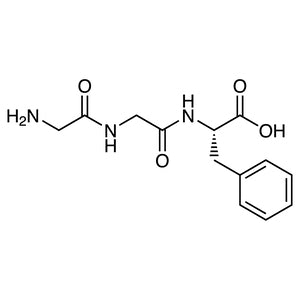
TCI G0610 6234-26-0 H-Gly-Gly-Phe-OH is a peptide compound widely used in biochemical research and scientific experiments. This tripeptide consists of three amino acids—glycine, glycine, and phenylalanine—linked by peptide bonds. It plays a crucial role in laboratory settings where precise chemical reactions and molecular interactions are required. Its chemical structure makes it an essential tool for studying protein structures, enzyme mechanisms, and molecular recognition processes. This compound is particularly valuable for researchers working on drug development, bioactive compound synthesis, and molecular biology applications.
The compound is known for its high purity and chemical stability, which are critical for maintaining the integrity of experimental results. Its solubility in organic solvents makes it highly versatile for use in various analytical and synthetic procedures. The consistency of its properties ensures reliable performance across different laboratory conditions. Additionally, its resistance to common chemical reactions enhances its usability in complex experimental setups. These attributes make it a preferred choice for laboratories requiring precision and reproducibility in their research.
In Indonesian laboratories, TCI G0610 6234-26-0 H-Gly-Gly-Phe-OH is commonly used in biomedical, pharmacological, and organic chemistry research. It supports studies on drug interactions, bioactive molecule development, and molecular biology investigations. Its availability and reliability make it a standard material in academic and industrial research settings across Indonesia.
- Biomedical Research: This peptide is used to study protein structure and function, aiding in the development of therapeutic agents and understanding disease mechanisms.
- Pharmacological Studies: It supports the testing of drug candidates by analyzing their interactions with biological targets and assessing their bioavailability.
- Organic Chemistry Experiments: The compound is utilized in synthetic pathways for creating complex molecules and studying reaction mechanisms.
- Molecular Biology Investigations: It assists in the study of molecular recognition and signaling pathways, contributing to the understanding of cellular processes.
- Drug Development Projects: Its role in synthesizing bioactive compounds makes it valuable for the creation of new therapeutic agents.
| Brand | TCI |
|---|---|
| CAS number | 6234-26-0 |
| Molecular formula | — |
| Purity | — |
| Category | Life Science > Biochemicals and Reagents > Peptides |
| Pack sizes | Available in various quantities as per standard laboratory requirements |
| Physical form | Solid powder |
| Storage | Store in a cool, dry place away from light and moisture |
This compound should be stored in a cool, dry environment, away from direct light and moisture to maintain its chemical stability. It is recommended to use airtight containers to prevent exposure to humidity and contaminants. When handling, ensure proper laboratory safety practices are followed, including the use of gloves and protective eyewear. The compound is non-hazardous under normal conditions but should be kept out of reach of children and not ingested. It is suitable for use in standard laboratory settings where controlled chemical environments are maintained. Regular monitoring of storage conditions is advised to ensure long-term product integrity.
—
Produk Terkait
-
DL-Alanyl-DL-phenylalanine TCI A0223
Regular price Rp 3.419.850,00Regular price -
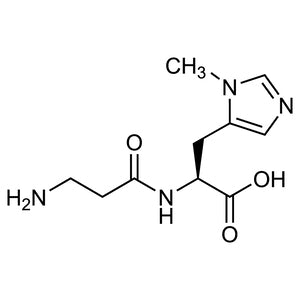
beta-Alanyl-L-histidine TCI A0222
Regular price From Rp 743.400,00Regular price -
Ubenimex TCI U0111
Regular price From Rp 4.743.900,00Regular price -
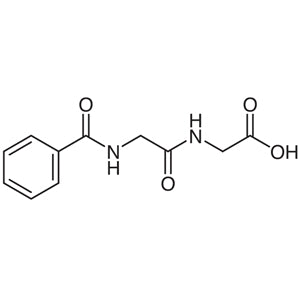
Benzoylglycylglycine TCI B0203
Regular price Rp 1.908.900,00Regular price -
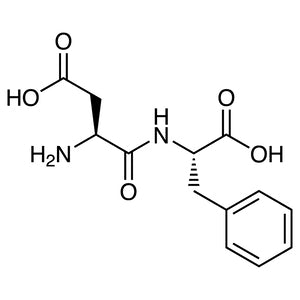
L-alpha-Aspartyl-L-phenylalanine TCI A3489
Regular price From Rp 1.353.450,00Regular price -
Anserine TCI A1788
Regular price Rp 1.405.950,00Regular price -
L-Alanyl-L-proline TCI A1495
Regular price Rp 6.015.450,00Regular price -
L-Alanyl-L-tyrosine TCI A1263
Regular price Rp 4.001.550,00Regular price